
US Independence Day: History, Significance & Celebrations of the 4th of July
US Independence Day, celebrated every year on July 4th, is one of the most significant and widely observed American holidays. This day marks the birth of a nation — when, in 1776, the thirteen American colonies declared independence from British rule. Recognized today as Independence Day USA, the 4 July American holiday commemorates liberty, unity, and patriotism.

- 🎆 US Independence Day 2026: America Turns 250 — The Most Historic Celebration in a Century
- 📅 US Independence Day 2026: Date, Day, and Key Facts
- 🗽 Disability and the History of American Freedom: The Story Most People Don’t Know
- 🎇 Fireworks and Sensory Overload: What Every Special Needs Parent Must Know Before July 4th
- Why Fireworks Are So Hard for Special Needs Children
- The Signs Your Child Is Reaching Sensory Overload
- 🌟 Sensory-Friendly 4th of July Tips for Special Needs Families
- 🏡 Before July 4th: Prepare Early
- 🎆 During July 4th Celebrations: Smart Strategies
- 🌙 After July 4th: Wind Down Well
- 🎨 4th of July Activities for Children with Special Needs
- 🏡 At-Home 4th of July Activities (Low-Sensory, High-Fun)
- 🌿 Outdoor Activities (Adapted for Accessibility)
- 🎆 For Children Who Enjoy Fireworks: Inclusive Tips
- 🛡️ 4th of July Safety Guide for Children with Special Needs
- 🔥 Fireworks Safety
- 🌡️ Heat Safety
- 🐾 Pets and Noise
- 👥 Crowd Safety for Wandering-Risk Children
- 🕙 Late Night Strategy
- 🌟 Disabled Americans Who Shaped This Nation: Heroes Worth Celebrating This 4th of July
- 🍓 4th of July Food Guide for Special Dietary Needs
- 📊 US Independence Day 2026: Updated Statistics
- What Happened on July 4, 1776?
- Why Is the 4th of July Important in American History?
- How Do Americans Celebrate US Independence Day?
- US Independence Day by the Numbers
- A Timeline of US Independence Day
- USA Independence Day Sales
- Global Recognition of US Independence Day
- Frequently Asked Questions
- 1. What is the US Independence Day?
- 2. What happened on July 4, 1776?
- 3. Why is the 4th of July important in US history?
- 4. How is Independence Day USA celebrated?
- 5. What’s special about US Independence Day 2022 and beyond?
- Voice Search: US Independence Day 2026
- Q: What day is US Independence Day 2026?
- Q: Why is US Independence Day 2026 special?
- Q: How can I celebrate 4th of July with a child who has autism?
- Q: Are there sensory-friendly 4th of July events in 2026?
- Q: What are some indoor 4th of July activities for special needs children?
- Q: What is the 250th anniversary of American independence called?
- Q: What is the connection between US Independence Day and disability rights?
- Q: How do I help a non-verbal child understand and enjoy Independence Day?
- Conclusion: The True Spirit of the US 4th July
From fireworks to parades, the 4th of July, American Independence Day, is a spirited celebration of freedom, tradition, and national pride.
🎆 US Independence Day 2026: America Turns 250 — The Most Historic Celebration in a Century
US Independence Day 2026 is not just another Fourth of July. It is the 250th anniversary of the signing of the Declaration of Independence — and the entire country is preparing for the biggest birthday celebration in American history.
On July 4, 2026, America will celebrate the most important milestone in our country’s history — 250 years of American independence. (Source: The White House — Freedom 250)
This milestone is called the Semiquincentennial, or the Quarter Millennium. And the celebrations planned for it are extraordinary.
What Makes US Independence Day 2026 Uniquely Special
| Milestone | What It Means |
|---|---|
| 250 years of independence | America’s most significant birthday since the Bicentennial in 1976 |
| National time capsule buried | Buried at Independence Mall, Philadelphia on July 4, 2026 |
| Freedom Trucks touring the nation | Six mobile museums visiting all 48 contiguous states |
| OpSail 2026 | Tall ships sailing from the Gulf Coast to Boston |
| Founding documents on national tour | Original Declaration of Independence shown at museums across the US |
| America’s Potluck (July 5) | Community picnics held nationwide the day after the 4th |
| Largest synchronized fireworks display | Planned as the most coordinated July 4th fireworks show in US history |
America250 is striving to engage all 350 million Americans by the nation’s 250th anniversary. The Semiquincentennial will offer Americans a rare opportunity to reflect on the nation’s founding values, acknowledge pivotal moments in history, and leave lasting civic infrastructure for future generations. (Source: America250)
Furthermore, the National Archives will display Documents That Forged a Nation at major museums across the country, celebrating America’s 250th Anniversary. The Freedom Plane National Tour began in March 2026 and will run through August 2026, bringing original founding-era documents to eight American cities. (Source: National Archives — Freedom 250)
This is a once-in-a-lifetime celebration. And every American family — including families raising children with special needs — deserves to be part of it, in their own way, at their own pace.
📅 US Independence Day 2026: Date, Day, and Key Facts
Many people search specifically for what day the 4th of July falls on each year. Here is your quick reference for US Independence Day 2026:
| Detail | Information |
|---|---|
| 📅 Date | Saturday, July 4, 2026 |
| 🗓️ Day of the week | Saturday |
| 🏛️ Federal Holiday observed | Friday, July 3, 2026 (since July 4 falls on a Saturday) |
| 🎂 Anniversary | 250th anniversary of the Declaration of Independence |
| 🎇 Key location | Philadelphia — birthplace of the Declaration |
| 🌍 Global recognition | US embassies worldwide hosting events July 2–5 |
If July 4 is a Saturday, it is observed on Friday, July 3. Government offices and schools are closed. In 2026, there are many public events, parades, shows, and fireworks displays. (Source: timeanddate.com)
So in 2026, many families will enjoy a long weekend from Thursday evening through Sunday — giving more time than usual to celebrate safely and at a pace that works for every family member.
🗽 Disability and the History of American Freedom: The Story Most People Don’t Know
US Independence Day celebrates freedom and equality for all Americans. Yet for much of American history, people with disabilities were not included in that vision. Understanding this history is part of truly celebrating what the 4th of July stands for in 2026.
The Declaration of Independence declares that all people are created equal. But equality for Americans with disabilities took another 214 years — and a long, hard fight — to be codified into law.
The Americans with Disabilities Act (ADA), signed on July 26, 1990, is often called the “Declaration of Independence for People with Disabilities.” It was the moment when the founding ideals of 1776 were finally extended to the disability community. (Source: U.S. Department of Labor — ADA)
The Road to Disability Freedom: A Timeline
| Year | Milestone |
|---|---|
| 1776 | Declaration of Independence signed — “all men are created equal” |
| 1827 | First school for blind students opens in the US |
| 1864 | Gallaudet University founded — first higher education institution for the deaf |
| 1948 | President Truman desegregates the military, including disabled veterans |
| 1973 | Section 504 of the Rehabilitation Act — first federal law protecting disabled people from discrimination (Source: HHS.gov) |
| 1975 | Education for All Handicapped Children Act — guaranteed disabled children access to public education |
| 1990 | Americans with Disabilities Act (ADA) signed — July 26, 1990 (Source: ADA.gov) |
| 2026 | 36th anniversary of the ADA; 250th anniversary of American independence |
This July 4th, as America celebrates 250 years of freedom, it is worth remembering that the pursuit of true equality is ongoing. And families raising children with special needs are part of that ongoing American story.
🎇 Fireworks and Sensory Overload: What Every Special Needs Parent Must Know Before July 4th
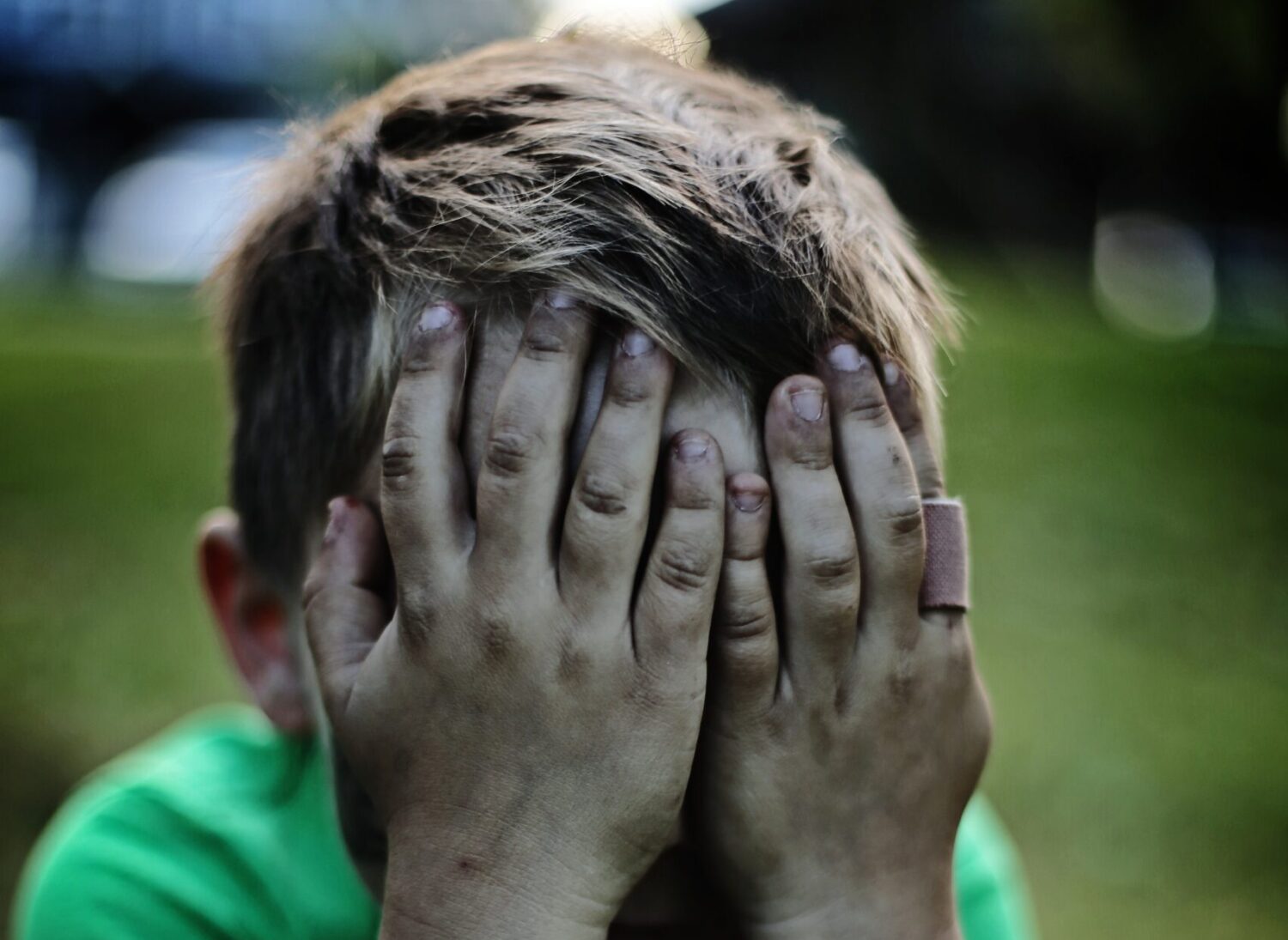
US Independence Day is the loudest, most visually intense, most socially crowded day of the American year. For children with autism, ADHD, sensory processing disorder, anxiety, or other special needs, that combination can quickly turn celebration into crisis.
Why Fireworks Are So Hard for Special Needs Children
For children with autism spectrum disorder, fireworks can be particularly challenging due to the combination of loud noises, unpredictable light flashes, and social overwhelm. 1 in 36 children have autism in the USA.
For children with ADHD, the sights and sounds of a busy Fourth of July celebration can make it difficult to focus and enjoy the festivities.
For those with sensory processing disorder, people may find the fireworks overwhelming and struggle to filter out background noise. (Source: Sensory Friendly Solutions)
Here is exactly why fireworks are uniquely difficult:
| Sensory Challenge | Why It Affects Special Needs Children |
|---|---|
| 🔊 Loud, sudden booms | Unpredictable noise triggers startle responses and anxiety spirals |
| 💥 Unpredictable timing | Children who need routine cannot prepare for each explosion |
| ⚡ Bright, strobing light | Can trigger visual overload and distress |
| 👥 Large crowds | Overwhelming social input for children with social anxiety or autism |
| 🌙 Late bedtime | Disrupted sleep routine worsens next-day regulation |
| 🌡️ Heat and outdoor environment | Sensory discomfort from heat, insect repellent, and grass textures |
| 🍔 Unfamiliar foods and smells | Disrupts eating routines for children with food sensitivities |
The Signs Your Child Is Reaching Sensory Overload
Watch carefully for these warning signs — especially in non-verbal children who cannot tell you they are struggling:
- 🔴 Covering ears, eyes, or both
- 🔴 Rocking, flapping, or stimming more than usual
- 🔴 Attempting to run away from the area
- 🔴 Crying, screaming, or unusual distress
- 🔴 Freezing or becoming very still
- 🔴 Aggression or self-injurious behaviour
- 🔴 Vomiting or physical complaints of nausea
- 🔴 Complete withdrawal or dissociation
If you see these signs, move to a quiet space immediately. Do not try to push through. Your child’s comfort is more important than any fireworks display.
🌟 Sensory-Friendly 4th of July Tips for Special Needs Families
The good news is that US Independence Day can absolutely be enjoyed by families with special needs children. It simply takes thoughtful preparation. Here are the most effective strategies, gathered from experienced special needs parents and therapists.
🏡 Before July 4th: Prepare Early
Work to prepare your child in advance for the things they might see. Look for online videos of fireworks displays and watch them with your child. If your child responds well to story books, maybe try reading them a social story about what will happen on the Fourth. (Source: Behavior Frontiers)
- ✅ Show fireworks videos at low volume first. Gradually increase the volume over several days so the sound becomes familiar rather than shocking.
- ✅ Create a visual schedule for the day’s activities so your child knows exactly what to expect.
- ✅ Talk through what the day will include using simple, honest language: “There will be loud booms tonight. We will have earplugs ready.”
- ✅ Practice wearing noise-cancelling headphones before the day so your child is comfortable using them.
- ✅ Pre-visit the location if attending a public event — walk the space, identify the quiet area, and plan your exit route.
🎆 During July 4th Celebrations: Smart Strategies
Find a calm corner: locate a quiet area away from the fireworks. Consider taking a break in your personal vehicle for example. Bring quiet activities: pack calming games, books, or toys for comfort. (Source: Sensory Friendly Solutions)
| Strategy | How It Helps |
|---|---|
| 🎧 Noise-cancelling headphones | Dramatically reduce firework volume without eliminating the experience |
| 🕶️ Sunglasses or tinted glasses | Reduce visual intensity of bright fireworks flashes |
| 🚗 Watch from inside the car | Safe, quiet, controllable environment with easy exit |
| 📍 Choose a spot further from the fireworks | Less noise, less visual intensity, fewer crowds |
| 🧸 Bring comfort items | Weighted blanket, favourite toy, or sensory tool for self-regulation |
| 🍽️ Pack familiar foods | Avoid food-related meltdowns by having safe, preferred foods available |
| ⏰ Watch the early show | Many cities host daytime or early evening events that end before it gets very late |
| 🏠 Have an exit plan | Know where you are going if you need to leave — and leave without guilt |
🌙 After July 4th: Wind Down Well
- Allow extra time for your child’s usual calming routine
- Do not schedule anything demanding the morning after
- Offer sensory regulation tools (warm bath, weighted blanket, quiet music)
- Debrief the experience gently: “What did you like? What was hard?”
- Celebrate that your child tried something challenging — whatever form that took
🎨 4th of July Activities for Children with Special Needs
Celebrating US Independence Day does not require fireworks or parades. In fact, some of the best July 4th moments happen at home, with simple activities adapted for your child’s needs.
🏡 At-Home 4th of July Activities (Low-Sensory, High-Fun)
| Activity | Age Group | Skills Built |
|---|---|---|
| 🔴⚪🔵 Red, white & blue sensory bin | Toddlers to age 8 | Sensory exploration, colour recognition |
| 🎨 Patriotic hand/footprint art | All ages | Fine motor skills, self-expression |
| ⭐ Star-shaped playdough shapes | Toddlers to age 6 | Fine motor, bilateral coordination |
| 🌀 Spin art with patriotic colours | Age 4 and up | Sensory delight, cause and effect (Source: Speech Blubs) |
| 🎉 Confetti poppers (quiet fireworks) | Age 5 and up | Fine motor, anticipation, cause and effect |
| 📚 Reading 4th of July picture books | All ages | Language, comprehension, cultural learning |
| 🎵 Patriotic music and dance | All ages | Sensory regulation, coordination, joy |
| 🍓 Making red/white/blue fruit skewers | Age 6 and up | Life skills, nutrition, fine motor |
A patriotic-themed sensory experience is invaluable for younger children. For spatial concepts you can explore “closer,” “further,” “in,” “out.” Confetti poppers allow kids to create their own mini “fireworks” safely and with full control. (Source: Speech Blubs)
🌿 Outdoor Activities (Adapted for Accessibility)
- 🎈 Balloon pop relay — stomping balloons of red, white, and blue (great proprioceptive input)
- 🌈 Patriotic chalk art on the driveway — low-pressure, highly satisfying
- 💦 Water play with coloured ice cubes — refreshing sensory activity for hot July days
- 🔦 Glow stick sparklers — a safe, quiet alternative to traditional sparklers
- 🏊 Pool time — water is one of the most effective sensory regulation tools available
🎆 For Children Who Enjoy Fireworks: Inclusive Tips
For autistic children, fireworks, parades, and backyard barbecues can be overwhelming. But with creativity and planning, you can transform the 4th of July into a fun and inclusive experience for everyone.
Activities that provide calming visual and tactile stimulation alongside interactive elements that encourage problem-solving help children engage comfortably with the holiday. (Source: Level Ahead ABA)
If your child wants to try watching real fireworks:
- Choose a far-away viewing spot (like a hill or rooftop with fewer people)
- Watch early shows that end before 10 PM
- Use headphones + sunglasses combination
- Plan a 30-minute trial with a clear promise of leaving if needed
🛡️ 4th of July Safety Guide for Children with Special Needs
US Independence Day safety takes on extra dimensions for families with special needs children. Beyond the usual fireworks safety, there are specific considerations every parent should know.
🔥 Fireworks Safety
- Never allow children with special needs to handle fireworks, sparklers, or poppers unsupervised
- Keep a first aid kit within reach at all outdoor celebrations
- In case of a fireworks injury, contact emergency services immediately
🌡️ Heat Safety
- July 4th falls in peak summer heat — dehydration can worsen sensory sensitivity and irritability
- Ensure your child drinks water regularly — set reminders if needed
- Children with certain medications (including some psychiatric medications) may be more sensitive to heat
- Dress in lightweight, breathable fabrics — avoid tight or textured clothing that adds discomfort
🐾 Pets and Noise
- If you have a family pet, the loud fireworks can also cause animal anxiety — which can distress a child who is closely bonded to the pet. Plan for pet care separately.
👥 Crowd Safety for Wandering-Risk Children
- Children with autism and some other conditions have a higher risk of wandering in unfamiliar, stimulating environments
- Consider a GPS tracker or ID bracelet with your phone number
- Use a wristband or lanyard with contact information at large public events
- Establish a meeting point that your child can remember if separated
- Brief any adults in the group on your child’s specific needs before the event
🕙 Late Night Strategy
- July 4th celebrations often run past 10 PM — late for most children with special needs
- Consider attending an alternative daytime event if late nights consistently cause next-day dysregulation
- Build in a buffer day on July 5th without commitments, so your child can recover
🌟 Disabled Americans Who Shaped This Nation: Heroes Worth Celebrating This 4th of July
One of the most powerful ways to celebrate US Independence Day with your special needs child is to talk about the disabled Americans who helped build and define this country. These names belong on the wall next to the flags this July 4th.
| Person | Disability | Contribution to America |
|---|---|---|
| Franklin D. Roosevelt | Paralysis (used a wheelchair) | 32nd President; led the US through the Great Depression and WWII |
| Harriet Tubman | Epilepsy (from a childhood head injury) | Abolitionist; freed hundreds of enslaved people via the Underground Railroad |
| Ludwig van Beethoven | Deaf | Revolutionised music — though German-born, his work shaped American musical culture |
| Helen Keller | Deaf-blind | Author, activist, and one of the most influential Americans of the 20th century |
| Marlee Matlin | Deaf | Academy Award-winning actress; prominent disability rights advocate |
| Stevie Wonder | Blind | Grammy-winning musician; shaped American popular music across six decades |
| Temple Grandin | Autism | Animal scientist who transformed livestock industry practices; prominent autism advocate |
| Judy Heumann | Polio; used a wheelchair | Founding mother of the disability rights movement; instrumental in passing the ADA |
Share these stories with your child this 4th of July. Let them see that disability and greatness have always coexisted in American history — and that their story is part of America’s story too. 🇺🇸
🍓 4th of July Food Guide for Special Dietary Needs
US Independence Day celebrations are famous for food — but traditional barbecue menus can be challenging for children with dietary restrictions. Many children with special needs have food allergies, sensory food aversions, GFCF dietary requirements, or restricted diets. Here is a practical food guide for this July 4th.
Safe & Festive 4th of July Food Swaps
| Traditional Food | Common Issue | Special Needs Alternative |
|---|---|---|
| Hamburger buns | Gluten | Gluten-free buns or lettuce wraps |
| Hot dogs | Processed ingredients, dyes | Uncured, nitrate-free hot dogs |
| Coleslaw with mayo | Dairy or egg allergy | Vinegar-based coleslaw or vegan mayo version |
| Ice cream | Dairy | Dairy-free fruit popsicles (red/white/blue) |
| Corn on the cob | Texture issues | Creamed corn or corn cut off the cob |
| Lemonade with artificial colour | Food dyes and sugar | Naturally sweetened fruit water in red/blue colours |
| Chips and dips | Artificial additives | Plain rice crackers with hummus or guacamole |
| BBQ sauce | High sugar, dyes | Homemade tomato-based BBQ sauce |
Patriotic Sensory-Friendly Foods to Try
- 🍓 Strawberry + blueberry + whipped cream fruit cups — red, white, and blue with natural ingredients
- 🫐 Frozen blueberry and raspberry popsicles — cooling, naturally coloured, and mess-free
- 🥝 Kiwi, strawberry, and banana skewers — easy to hold, familiar textures
- 🌽 Mini corn cobs — smaller portions for children who need portion-controlled eating
Always check every product label for allergens. When in doubt, prepare familiar foods from home and bring them to any outdoor event you attend.
📊 US Independence Day 2026: Updated Statistics
Here is an updated statistics reference for this historic year:
| Fact | Statistic | Source |
|---|---|---|
| Americans who celebrate July 4th | 87% | Statista |
| Fireworks revenue (annually) | ~$1.5 billion | American Pyrotechnics Association |
| Hot dogs consumed on July 4th | 150 million | National Hot Dog & Sausage Council |
| Average household 4th of July spending | Over $80 | National Retail Federation |
| Americans visiting Washington D.C. on July 4th | Most popular destination | AAA Travel |
| Year of the 250th Independence Day | 2026 | America250 / White House |
| Freedom Trucks visiting across the US | All 48 contiguous states | White House — Freedom 250 |
| Goal to engage every American | 350 million | America250 |
| National time capsule burial location | Independence Mall, Philadelphia | Newsweek / America250 |
What Happened on July 4, 1776?
1776: What happened on this day? On July 4, 1776, the Continental Congress formally adopted the Declaration of Independence, announcing the colonies’ separation from Great Britain. This historic act marks the beginning of the United States of America as an independent nation.
“We hold these truths to be self-evident, that all men are created equal.” – Declaration of Independence
Key Events Leading to Independence
| Date | Event |
|---|---|
| June 1776 | Drafting of the Declaration by Thomas Jefferson |
| July 2, 1776 | Congress votes to declare independence |
| July 4, 1776 | Formal adoption of the Declaration of Independence |
| July 1777 | First public Independence Day USA celebration held |
Why Is the 4th of July Important in American History?
The 4th of July is a pivotal day in American history. It represents the moment when the colonies united under a shared vision of freedom and self-governance. The meaning of Independence Day USA is rooted in the ideals of democracy, liberty, and justice.
Key reasons why July 4 is significant:
- It marks the official birthday of the United States
- It set a precedent for democratic revolutions worldwide
- It laid the foundation for the Constitution and Bill of Rights
How Do Americans Celebrate US Independence Day?
Across the nation, USA 4th July celebrations are marked with patriotic traditions and public festivities. Here’s how Americans typically celebrate:
- Fireworks Displays – Symbolic of the “rockets’ red glare”
- Parades – Featuring military bands, veterans, and civic groups
- Cookouts & Barbecues – A traditional part of the 4 July, USA Independence Day
- Wearing Red, White & Blue – National pride on display
- Flag Decorations – See pictures of 4th of July flags flying in neighbourhoods
- Historical Reenactments & Readings – Bringing July 4 US history to life
US Independence Day by the Numbers
Let’s explore some real statistics that showcase the impact and scale of this July 4th USA Independence Day celebration:
| Fact | Statistic | Source |
|---|---|---|
| Americans who celebrate the 4th | 87% | Statista |
| Fireworks revenue annually | $1.5 billion | American Pyrotechnics Association |
| Hot dogs consumed on July 4th | 150 million | NHDSC |
| Average household 4th of July spend | Over $80 | National Retail Federation |
| Most visited destination | Washington, D.C. | AAA Travel |
A Timeline of US Independence Day
- 1775 – American Revolutionary War Begins: Armed conflict erupts between the 13 colonies and Great Britain, setting the stage for independence.
- June 1776 – Drafting of the Declaration: Thomas Jefferson led the drafting of the Declaration of Independence.
- July 2, 1776 – Independence Voted: The Continental Congress votes in favour of independence from Britain.
- July 4, 1776 – Declaration of Independence Adopted: The final text of the Declaration is approved and formally adopted — now celebrated as US Independence Day.
- July 1777 – First Independence Day Celebration: Philadelphia hosts the first public celebration with fireworks, bonfires, and music to mark the first anniversary.
- 1870 – Independence Day Becomes a Federal Holiday: Congress designates July 4 as a federal holiday, officially recognising its importance.
- 1941 – 4th of July Recognized as a Paid Federal Holiday: Congress expands the holiday, giving it paid status for federal employees.
- 2022 – 246th Anniversary of US Independence: Celebrations across the country commemorate nearly two and a half centuries of American freedom and democracy.
USA Independence Day Sales
USA Independence Day Sale events drive huge consumer interest. Popular retail categories include:
- Electronics & Appliances
- Patriotic Clothing & Accessories
- Outdoor Furniture & BBQ Equipment
- American Flags and Home Décor
These sales often align with US Independence Day 2022 or beyond, giving brands opportunities to connect with patriotic consumers.
Source: Retail Dive – July 4 Sales Trends
Global Recognition of US Independence Day
The US Independence Day is not only celebrated in the United States but also recognized internationally. Embassies host receptions, and American expatriates organize community events around the world. The 4th of July symbolizes freedom and democracy on a global stage.
Frequently Asked Questions
1. What is the US Independence Day?
It commemorates America’s independence from British rule and celebrates the values of liberty, equality, and self-governance.
2. What happened on July 4, 1776?
The Continental Congress formally adopted the Declaration of Independence, making it the official US Independence Day in 1776.
3. Why is the 4th of July important in US history?
It marks the founding of the nation and the beginning of democratic governance — a cornerstone in July 4 US history.
4. How is Independence Day USA celebrated?
With fireworks, parades, concerts, family gatherings, and patriotic displays like pictures of 4th of July flags.
5. What’s special about US Independence Day 2022 and beyond?
Themes often evolve, but they consistently highlight national unity, resilience, and freedom, especially after global events like the pandemic.
Voice Search: US Independence Day 2026
Q: What day is US Independence Day 2026?
US Independence Day 2026 falls on Saturday, July 4, 2026. Because July 4 falls on a Saturday, the federal holiday is observed on Friday, July 3, 2026. This gives most families a long weekend to celebrate.
Q: Why is US Independence Day 2026 special?
On July 4, 2026, America will celebrate the most important milestone in our country’s history — 250 years of American independence. (Source: The White House — Freedom 250) This Semiquincentennial is the largest American birthday celebration since the Bicentennial in 1976.
Q: How can I celebrate 4th of July with a child who has autism?
The best approach is early preparation and low-sensory alternatives. Watch fireworks videos in advance to familiarise your child with the sounds. Bring noise-cancelling headphones and familiar comfort items. Watch fireworks from a distance or from inside your car. Consider a daytime event instead. Most importantly, follow your child’s lead — a quiet home celebration is just as valid as any parade. (Source: Behavior Frontiers)
Q: Are there sensory-friendly 4th of July events in 2026?
Many cities and communities now offer sensory-friendly Independence Day events. Search “[your city] + sensory-friendly fireworks 2026” or “[your city] + quiet fireworks alternative” to find local options. Some cities also offer early fireworks shows that end by 9:30 PM — better for children with sleep needs.
Q: What are some indoor 4th of July activities for special needs children?
Great indoor alternatives include patriotic sensory bins (red, white, and blue materials), spin art projects, confetti poppers (quiet fireworks), red/white/blue playdough, watching age-appropriate patriotic movies, making fruit skewers in national colours, and doing patriotic hand-print art. These activities celebrate the holiday while staying within your child’s sensory comfort zone.
Q: What is the 250th anniversary of American independence called?
The United States Semiquincentennial, also called the Bisesquicentennial or the Quarter Millennium, is the 250th anniversary of the United States Declaration of Independence, with the major anniversary date being July 4, 2026. (Source: Wikipedia / US Semiquincentennial)
Q: What is the connection between US Independence Day and disability rights?
The ADA — Americans with Disabilities Act — was signed on July 26, 1990, and is often called the “Declaration of Independence for People with Disabilities.” It extended the founding ideals of the 1776 Declaration — that all people are created equal — to Americans with disabilities. (Source: ADA.gov) July is therefore a meaningful month for both American freedom AND disability rights.
Q: How do I help a non-verbal child understand and enjoy Independence Day?
Use visual supports — picture books, social stories, visual schedules. Show videos of fireworks with the volume low first. Prepare a sensory kit in advance. Use AAC tools or PECS to introduce words like “loud,” “colourful,” and “celebrate.” Keep the day predictable. Celebrate whatever form of participation your child manages — no participation is too small to be proud of.
Conclusion: The True Spirit of the US 4th July
The US Independence Day is more than just a July 4th US holiday — it is a celebration of the very ideals upon which the country was founded. Whether through Independence Day USA celebration events, historical tributes, or family barbecues, Americans continue to honour their legacy and freedoms.
As we observe the 4th of July, USA birthday, we remember the bravery of 1776 and look ahead to a future shaped by freedom, justice, and unity.


