Stroke Awareness Month 2026: Theme, FAST Signs & Prevention Guide
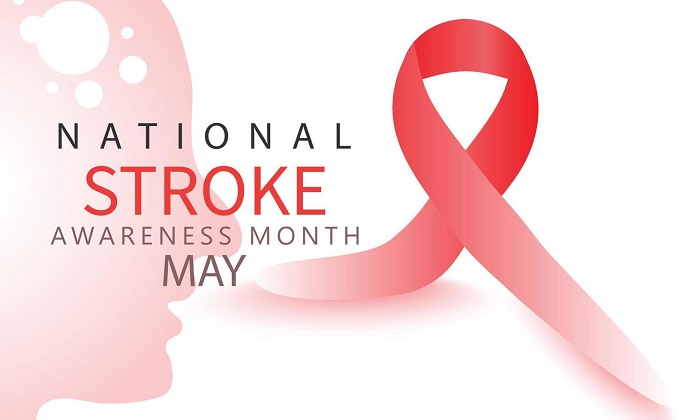
Each May, the United States observes Stroke Awareness Month, an important health initiative aimed at educating the public about stroke prevention, symptoms, risk factors, and the importance of quick treatment. Also known as National Stroke Awareness Month, this observance has been vital in spreading lifesaving information and promoting healthier lifestyles across communities.
- ✅ What is Stroke Awareness Month?
- 📊 Stroke: Key Facts and Statistics
- 🧠 What is a Stroke?
- ⚠️ Signs and Symptoms of Stroke (Remember BE FAST)
- 🩺 Risk Factors You Should Know
- ✅ How to Prevent Stroke
- 📆 Stroke Awareness Over the Years
- 📣 How You Can Participate in Stroke Awareness Month
- 🌍 Global Stroke Awareness Efforts
- 📚 Additional Resources
- 🧒 Stroke in Children and Special Needs Kids: What Every Parent Must Know
- How common is pediatric stroke?
- Why are children with special needs at higher risk?
- Signs of stroke in children — what to watch for
- The good news about recovery
- 🏫 What Happens to School and Learning After a Pediatric Stroke?
- 🧠 Post-Stroke Mental Health: The Hidden Challenge Nobody Talks About
- 🏠 A Practical Home Recovery Checklist for Stroke Caregivers
- 🌍 Stroke Awareness Month 2026: Theme, Color & How to Participate This Year
- Stroke Awareness Month at a Glance:
- Simple ways to participate:
- 👩👩👦 Stroke and Disability: When Stroke Happens to Someone Already Living with Special Needs
- Common pre-existing conditions that increase stroke risk include:
- What makes recovery harder when disability is already present:
- What to ask your child’s or loved one’s doctor right now:
- 📝 Conclusion
- ❓ Frequently Asked Questions About Stroke Awareness Month
✅ What is Stroke Awareness Month?
Stroke Awareness Month, officially recognized as National Stroke Awareness Month, is observed every May. It is a nationwide campaign to:
- Raise awareness about stroke prevention and treatment
- Educate about the warning signs of a stroke
- Encourage people to adopt a healthy lifestyle
- Honor stroke survivors and caregivers

🔎 A Brief History
National Stroke Awareness Month was established in 1989 by President George H.W. Bush. Since then, organizations like the American Stroke Association and the Centers for Disease Control and Prevention (CDC) have used this month to launch campaigns to reduce stroke-related deaths and disabilities.
📊 Stroke: Key Facts and Statistics
| Fact | Details |
|---|---|
| Stroke Rank | 5th leading cause of death in the U.S. |
| Annual Cases | ~795,000 strokes in the U.S. each year |
| Recurrence | 1 in 4 stroke survivors will have another |
| Preventability | 80% of strokes are preventable |
| Time-Sensitivity | Treatment within 3 hours is critical |
Sources: CDC, American Heart Association
🧠 What is a Stroke?
A stroke occurs when blood flow to a part of the brain is interrupted or reduced, depriving brain tissue of oxygen and nutrients. Within minutes, brain cells begin to die.
Types of Stroke
- Ischemic Stroke: Caused by a blockage (87% of all strokes)
- Hemorrhagic Stroke: Caused by bleeding in the brain
- Transient Ischemic Attack (TIA): A temporary blockage, also called a “mini-stroke”
⚠️ Signs and Symptoms of Stroke (Remember BE FAST)
Recognizing a stroke quickly can save a life. Use the BE FAST method:
- Balance: Sudden loss of balance or coordination
- Eyes: Sudden trouble seeing
- Face: Drooping on one side
- Arms: Weakness or numbness in one arm
- Speech: Slurred or strange speech
- Time: Call 911 immediately
🩺 Risk Factors You Should Know
Stroke Awareness Month encourages everyone to be aware of the common risk factors:
Modifiable Risk Factors:
- High blood pressure
- Smoking
- Diabetes
- Obesity
- Physical inactivity
- High cholesterol
- Excessive alcohol consumption
Non-Modifiable Risk Factors:
- Age (stroke risk doubles every decade after 55)
- Gender (women have a higher lifetime risk)
- Family history
- Race and ethnicity (African Americans, Hispanics, and Native Americans are at higher risk)
✅ How to Prevent Stroke
Stroke Awareness Month is the perfect time to adopt healthier habits. Here are seven prevention tips:
- Control Blood Pressure: Monitor and manage regularly.
- Eat a Healthy Diet: Focus on fruits, vegetables, lean protein, and whole grains.
- Stay Active: Aim for at least 150 minutes of moderate exercise weekly.
- Maintain a Healthy Weight: Reduces strain on the heart and arteries.
- Quit Smoking: Smoking doubles your risk.
- Limit Alcohol: Excessive drinking raises blood pressure.
- Manage Diabetes: Keep blood sugar levels under control.
📆 Stroke Awareness Over the Years
Stroke Awareness Month campaigns have evolved over time. Here are some highlights:
| Year | Theme/Focus |
|---|---|
| Stroke Awareness Month 2021 | Empowering survivors and sharing recovery stories |
| Stroke Awareness Month 2022 | Recognizing early symptoms and acting FAST |
| Stroke Awareness Month 2023 | Equity in stroke prevention and access to care |
| Stroke Awareness Month 2025 (anticipated) | Innovations in stroke recovery and telemedicine |
📣 How You Can Participate in Stroke Awareness Month
Whether you’re a healthcare provider, caregiver, survivor, or advocate, there are many ways to get involved during National Stroke Awareness Month 2025:
✅ Host or Attend Events
- Community health screenings
- Virtual webinars and expert panels
- Local walks or runs supporting stroke awareness
✅ Share Resources Online
- Post infographics and stroke facts
✅ Support Organizations
- Donate to groups like the American Stroke Association
- Volunteer with hospitals and support groups
🌍 Global Stroke Awareness Efforts
Although Stroke Awareness Month is primarily recognized in the United States, many countries also participate in stroke-related campaigns throughout the year. The World Stroke Organization promotes World Stroke Day each October 29 to highlight global disparities in stroke care and prevention.
📚 Additional Resources
- CDC Stroke Info
- American Heart Association: Stroke
- National Institute of Neurological Disorders and Stroke
🧒 Stroke in Children and Special Needs Kids: What Every Parent Must Know
When most people think of strokes, they picture older adults. But the truth is, stroke can happen at any age — including in babies, children, and teenagers. For families already navigating special needs, this is especially important to understand.
A pediatric stroke refers to a stroke that occurs before the age of 18. It includes perinatal strokes, which can occur before or shortly after birth. While it may not make the headlines as often, it is very real.
How common is pediatric stroke?
Researchers estimate that there are 1 to 2 childhood stroke cases per 100,000 children each year. Perinatal stroke is slightly more common, affecting approximately 1 in every 2,300 to 3,500 live births.
Interestingly, the risk of stroke in kids is highest before the age of 1. So early awareness truly matters — even for the youngest children.
Why are children with special needs at higher risk?
Pediatric stroke occurs for many different reasons, including congenital conditions such as congenital heart disease, arteriovenous malformations, hemophilia, and sickle cell disease. Many of these conditions are also linked to other developmental disabilities, meaning children with special needs may have overlapping risk factors.
In addition, children with sickle cell disease (SCD) are at a particularly high risk for stroke. If your child has a co-occurring blood disorder or heart condition alongside their primary diagnosis, this is something to discuss with your doctor proactively.
Signs of stroke in children — what to watch for
A child who has a stroke may experience symptoms such as: sudden weakness or numbness on one side of the body, changes in behavior or thinking, changes in hearing or vision, and clumsiness (ataxia). For non-verbal children or children with communication differences, these changes can be extremely difficult to catch — which is why parents and caregivers need to know exactly what to look for.
| Child’s Age Group | Key Warning Signs |
|---|---|
| Newborns | Seizures, unusual sleepiness, not feeding well |
| Infants | Preferring one hand over the other, developmental slowdown |
| Children (1–12) | Sudden weakness on one side, facial drooping, speech changes |
| Teens | Same as adult stroke symptoms — sudden severe headache, confusion, vision loss |
The good news about recovery
Children often recover more easily than adults because their brains are still developing and are more adaptable to change. Overall, studies have found that about one-third of children recover completely after stroke, and two-thirds have some sort of ongoing neurological problems — about half mild and half moderate or severe.
Furthermore, with appropriate treatment, many kids continue to improve even a year after having a stroke. Early intervention is the key — and that starts with awareness.
📌 Source: Children’s Hospital of Orange County (CHOC) — Stroke in Children | Stanford Medicine Children’s Health | American Stroke Association — Stroke in Children
🏫 What Happens to School and Learning After a Pediatric Stroke?
After a stroke, returning to school is a major milestone — but it requires preparation and advocacy.
Your child’s care team will help you decide on the right time to send your child back to school after the stroke. They can also work with you to determine whether your child needs accommodations to support their learning and participation at school. If accommodations would be helpful, you will need to work with the school to create a 504 plan or an Individualized Education Program (IEP) for your child.
Depending on where in the brain the stroke occurred, the child may have difficulty walking, seeing, speaking or reading, sometimes with one side of the body affected more than the other. Prompt diagnosis and treatment can minimize the risk of lasting problems, and early rehabilitation can help maximize recovery.
Common school accommodations after pediatric stroke:
- Extra time for tests and assignments
- A designated notetaker in class
- Modified homework or workload
- Speech therapy support within the school day
- Physical therapy for mobility needs
- Assistive technology for writing or communication
- Emotional support check-ins with a school counselor
If your child already has an IEP for a pre-existing condition, work with the IEP team to update the goals to reflect the stroke’s impact. Stroke can affect areas such as memory, attention, and motor function — all of which can be written into updated IEP goals with the right documentation from your child’s neurologist.
📌 Source: UCSF Benioff Children’s Hospitals — Pediatric Stroke Recovery | Johns Hopkins Medicine — Pediatric Stroke
🧠 Post-Stroke Mental Health: The Hidden Challenge Nobody Talks About
We spend a lot of time talking about the physical effects of stroke. But the emotional and mental health impact is just as serious — and it affects both stroke survivors and their caregivers.
For stroke survivors:
Post-stroke depression is common, with as many as 30–50 percent of stroke survivors experiencing depression in the early or later phases of post-stroke recovery. Post-stroke depression can significantly affect your loved one’s recovery and rehabilitation.
Additionally, stroke can cause anxiety, mood swings, sudden emotional outbursts (called emotional lability), and in some cases, post-traumatic stress. These are not character flaws or signs of weakness. They are neurological and psychological responses to a life-altering event.
For caregivers:
Although providing care for a loved one may feel all-consuming, try to be aware of your own health and the ways any resulting stress may be affecting you. To help avoid caregiver burnout, try to get enough sleep, eat healthily, attend to your own medical needs, and get exercise when you can.
Caregiver burnout is real. In fact, stroke caregiving is often described as a full-time job that comes with no training, no salary, and no guaranteed breaks.
Signs of caregiver burnout to watch for:
- Constant fatigue, even after sleep
- Feeling resentful or emotionally numb
- Withdrawing from friends and family
- Neglecting your own health appointments
- Feeling like nothing you do is ever enough
What to do:
- Ask your doctor for a referral to a mental health professional
- Join a caregiver support group (the American Stroke Association offers a support network finder)
- Accept help from family and friends — this is not a sign of failure
- Look into respite care so you can take breaks without guilt
The World Stroke Organization Global Stroke Bill of Rights emphasizes that stroke survivors have the right to receive psychological and emotional support in a form that best meets their needs, and to be included in all aspects of society regardless of any disability they may have.
📌 Source: American Stroke Association — 15 Things Caregivers Should Know | World Stroke Organization
🏠 A Practical Home Recovery Checklist for Stroke Caregivers
Here is a practical, step-by-step checklist based on guidance from stroke rehabilitation experts.
Before your loved one comes home:
- [ ] Talk to the hospital discharge team — ask what home modifications are needed
- [ ] Install grab bars in the bathroom near the toilet and shower
- [ ] Remove trip hazards like rugs, loose cords, and clutter from walkways
- [ ] Set up a ground-floor sleeping area if stairs are a barrier
- [ ] Add ramps if needed for wheelchair or walker access
- [ ] Prepare a written medication schedule
- [ ] Create a simple daily routine chart and post it visibly
In the first month at home:
- [ ] Attend all follow-up medical appointments — bring a caregiver notebook
- [ ] Write down questions before every doctor visit so nothing gets forgotten
- [ ] Encourage participation in physical, occupational, or speech therapy
- [ ] Monitor for signs of depression or emotional distress
- [ ] Track falls — falls after stroke are common and should not be ignored. Consider assistance from a physical or occupational therapist if your loved one shows dizziness, imbalance, or difficulty walking.
Ongoing care — building toward independence:
- [ ] Celebrate small victories — every new gain matters
- [ ] Establish consistent meal and sleep times to support memory
- [ ] Explore assistive technology for communication, mobility, and daily living
- [ ] Connect with a local stroke support group for both survivor and caregiver
- [ ] Revisit insurance coverage — understand what rehabilitation is covered and for how long
A well-planned rehabilitation program, including stroke recovery exercises, helps survivors relearn everyday skills — from walking and talking to dressing and eating. Being part of the process, by talking with doctors, therapists, and other medical experts, ensures rehab is included in the recovery plan from the very beginning.
📌 Source: Ochsner Health — Navigating Stroke Recovery | American Stroke Association — Being a Stroke Family Caregiver
🌍 Stroke Awareness Month 2026: Theme, Color & How to Participate This Year
If you are looking for ways to get involved during stroke awareness month, here is everything you need to know to take action in 2026.
Stroke Awareness Month at a Glance:
| Detail | Information |
|---|---|
| When | Every May (National Stroke Awareness Month) |
| Official Color | Purple ribbon |
| Key Hashtag | #StrokeMonth, #ActFAST, #BEFAST |
| Founded | 1989 by President George H.W. Bush |
| World Stroke Day | October 29 each year |
| 2025 World Stroke Day Theme | “Every Minute Counts” — emphasizing the importance of recognizing symptoms and acting fast |
Simple ways to participate:
1. Share awareness on social media. People can spread the word about Stroke Awareness Month by using the #StrokeMonth hashtag, sharing social media posts, or wearing a purple ribbon. Even one post that helps someone recognize the BE FAST signs could save a life.
2. Host or attend a local event. Many hospitals, community health centers, and nonprofit organizations host free blood pressure screenings, stroke awareness walks, and educational webinars throughout May. Check your local hospital’s events calendar.
3. Donate to stroke research. Organizations like the American Stroke Association, National Stroke Association, and World Stroke Organization all accept donations that fund research, survivor programs, and caregiver education.
4. Learn BE FAST — and teach it to someone else.
| Letter | Meaning |
|---|---|
| B | Balance — sudden loss of balance |
| E | Eyes — sudden vision changes |
| F | Face drooping |
| A | Arm weakness |
| S | Speech difficulty |
| T | Time to call 911 |
The American Stroke Association encourages everyone to share BE FAST resources with patients and families to spread awareness and better equip communities.
5. Support a caregiver you know. Sometimes the best awareness action is a personal one — checking in on a friend or family member who is caring for a stroke survivor, offering to cook a meal, or simply listening.
📌 Source: American Stroke Association — American Stroke Month | Medical News Today — How to Get Involved in Stroke Awareness Month | World Stroke Organization — 2025 Campaign
👩👩👦 Stroke and Disability: When Stroke Happens to Someone Already Living with Special Needs
Stroke does not only happen to healthy adults. It can happen to someone who is already living with a disability, a chronic condition, or a special need. When it does, the complexity of recovery multiplies.
Common pre-existing conditions that increase stroke risk include:
- Sickle cell disease
- Congenital heart defects
- Down syndrome (higher cardiovascular risk)
- Cerebral palsy (associated circulatory differences)
- Diabetes
- Epilepsy (seizure medications can affect blood pressure)
- Obesity (linked to several other conditions)
For these individuals and their families, stroke awareness is not just a May topic — it is a year-round health priority.
What makes recovery harder when disability is already present:
- Communication barriers can mask or delay stroke symptom recognition
- Pre-existing mobility limitations make physical rehabilitation more complex
- Mental health challenges may already exist, increasing post-stroke depression risk
- School or day program accommodations must be re-evaluated entirely
- Caregivers who are already stretched thin face an added layer of responsibility
What to ask your child’s or loved one’s doctor right now:
- Does my loved one’s condition put them at a higher risk for stroke?
- Are there preventive measures we should be taking?
- What stroke symptoms should I specifically watch for given their communication differences?
- Is there a stroke emergency protocol I should have in writing?
Taking these questions into your next appointment is one of the most powerful actions you can take during stroke awareness month.
📌 Source: American Stroke Association — Stroke in Children | Cleveland Clinic — Pediatric Stroke
📝 Conclusion
Stroke Awareness Month is more than just a calendar event—it’s a call to action. With stroke being a leading cause of death and disability, raising awareness can save lives. This May, take the time to educate yourself and others, assess your risk, and make lifestyle changes that could prevent a stroke.
Let’s work together during Stroke Awareness Month 2025 to spread knowledge, honor survivors, and support ongoing research and care.
❓ Frequently Asked Questions About Stroke Awareness Month
Each question below is based on real search queries related to this post’s topic.
Q: When is Stroke Awareness Month?
Stroke Awareness Month is observed every May in the United States. Additionally, World Stroke Day is celebrated annually on October 29.
Q: What color represents stroke awareness?
The color for stroke awareness is purple. Wearing a purple ribbon during May is a common way to show support.
Q: Can children have strokes?
Yes. Stroke is much more common in adults than in children, but because strokes are not as common in children, a diagnosis may be delayed. The risk of stroke in kids is highest before the age of 1. Children with conditions like sickle cell disease or congenital heart defects are at higher risk.
Q: What are the signs of stroke in a child?
Watch for sudden weakness on one side of the body, facial drooping, slurred speech, vision changes, severe headache, or seizures. In non-verbal children, sudden changes in behavior, unusual sleepiness, or refusing to use one arm can be early signs.
Q: How is stroke treated in children?
Prompt diagnosis and treatment can minimize the risk of lasting problems, and early rehabilitation can help maximize recovery. Treatment may include IV fluids, medications such as aspirin or blood thinners, and in some cases, surgery.
Q: What is the difference between stroke and TIA?
A transient ischemic attack (TIA) is a temporary disruption of blood flow that does not cause permanent damage to the brain tissue or permanent disability. It is often called a “mini-stroke” and is a serious warning sign that a full stroke may follow. Seek emergency care immediately if a TIA is suspected.
Q: How can I support someone during Stroke Awareness Month?
You can wear a purple ribbon, share BE FAST information on social media, donate to stroke research organizations, or simply check in on a caregiver in your life. The most important action is learning the warning signs and sharing them with others.
📌 Source: CHOC Children’s — Stroke in Children | Johns Hopkins Medicine — Pediatric Stroke | Days of the Year — National Stroke Awareness Month