
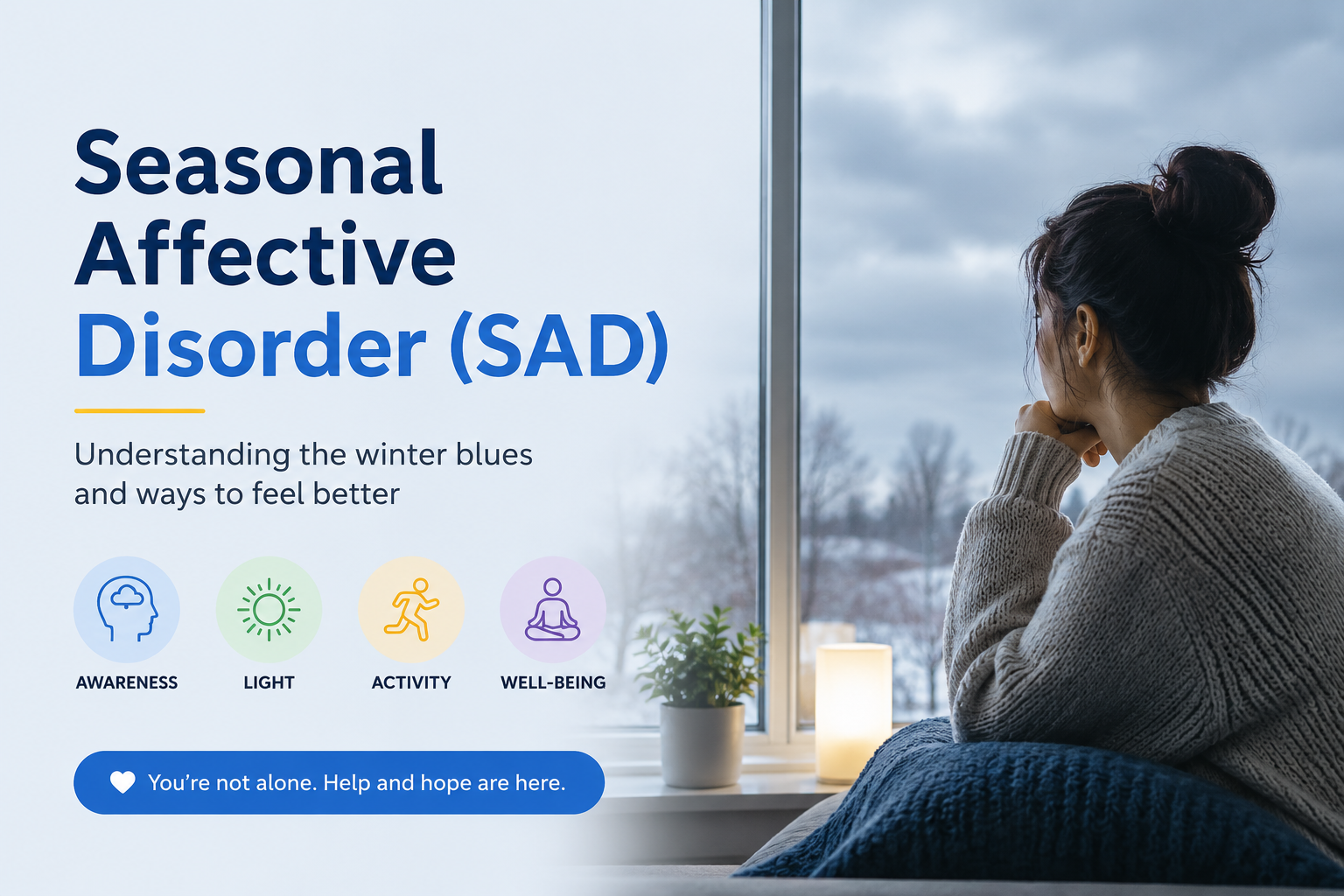
☁️ SAD (Seasonal Affective Disorder) 2026: Proven Strategies That Bring the Light Back
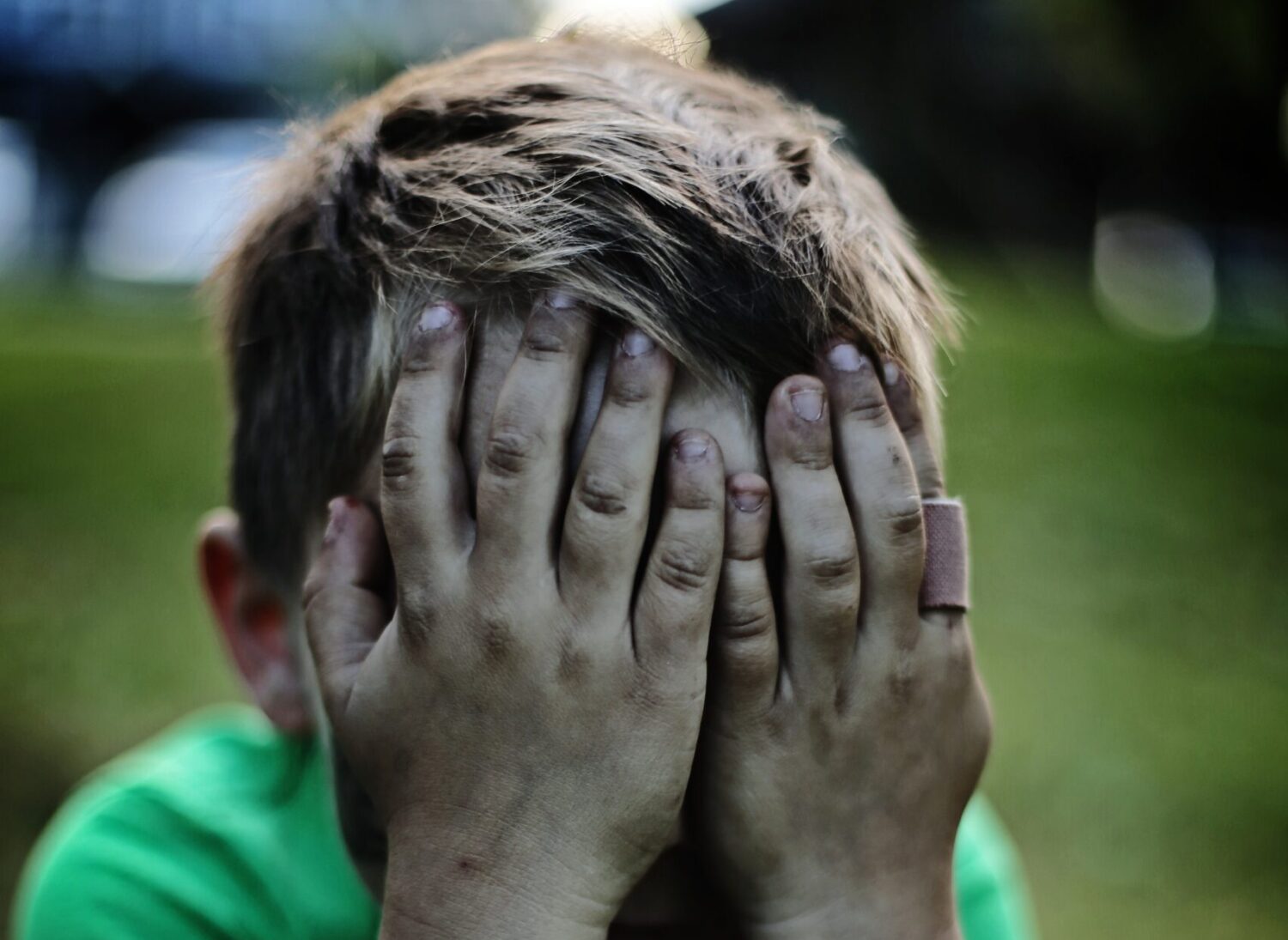
Is your child becoming a completely different person every winter — withdrawn, exhausted, and impossible to reach? 😔 SAD (Seasonal Affective Disorder) affects millions of children and parents — but in special needs families, it’s almost always blamed on something else.
Discover the shocking neuroscience, the missed diagnosis crisis, and the 2026 treatments finally giving families their winters back. This could be the most important article you read this season.

- ☁️ What Is SAD (Seasonal Affective Disorder) — and Could It Be Affecting Your Child Right Now?
- 📊 SAD Statistics 2026: Understanding the True Scale of This Condition
- 🧠 The Neuroscience of SAD: What Is Actually Happening in the Brain?
- The Three Biological Drivers of SAD
- The Latest Neuroscience: What 2026 Research Reveals
- The SAD Brain vs. The Neurotypical Brain in Winter
- 🚨 Recognising SAD: A Complete Symptom Guide
- ❄️ Winter-Pattern SAD Symptoms (Most Common)
- ☀️ Summer-Pattern SAD Symptoms (Less Common — About 10% of Cases)
- 🔑 The Diagnostic Key: The Seasonal Pattern
- 🧩 SAD and Special Needs Children: The Most Misunderstood Intersection
- Why SAD Is Especially Challenging in Neurodivergent Children
- A Story That Many HopeForSpecial Parents Will Recognise
- The Diagnostic Barrier: Why SAD Gets Missed in Special Needs Children
- Red Flags That Suggest SAD — Not Just Condition Variability
- 🔗 SAD and Neurodivergence: The Compounding Effect
- 💊 SAD Treatment 2026: The Complete Evidence-Based Guide
- 💡 Treatment 1: Light Therapy — The Gold Standard
- 🧠 Treatment 2: Cognitive Behavioural Therapy (CBT) for SAD
- 💊 Treatment 3: Medication (When Appropriate)
- 🌿 Treatment 4: Lifestyle Strategies — Available Right Now, Today
- 🌟 About SAD
- 💙 SAD and the Special Needs Parent: Your Winter Matters Too
- 🛡️ The SAD Action Plan: A Practical Framework for Special Needs Families
- 🔗 Trusted SAD Resources for Families
- ❓ FAQs: SAD (Seasonal Affective Disorder)
- Q: What is SAD (Seasonal Affective Disorder) in simple terms?
- Q: How common is SAD (Seasonal Affective Disorder)?
- Q: Can children with autism have SAD (Seasonal Affective Disorder)?
- Q: What causes SAD (Seasonal Affective Disorder)?
- Q: What is the most effective treatment for SAD (Seasonal Affective Disorder)?
- Q: How do I know if my child has SAD or if their special needs condition is getting worse?
- Q: Can SAD (Seasonal Affective Disorder) come back every year?
- Q: Is there a summer version of SAD?
- Q: How can I help my child with SAD at home without medication?
- 💙 A Final Word — Because Every Winter Should Not Feel This Hard
☁️ What Is SAD (Seasonal Affective Disorder) — and Could It Be Affecting Your Child Right Now?
SAD — Seasonal Affective Disorder — is a clinically diagnosed form of depression that follows a predictable seasonal pattern, most commonly arriving in autumn and winter and lifting by spring.
In simple terms: it is the brain struggling with the loss of light. SAD is a mood disorder subtype characterized by recurrent depressive episodes with a seasonal pattern.
It typically presents with major depressive episodes starting in late autumn or winter and remitting by spring or summer. Symptoms include atypical features such as hypersomnia, overeating, carbohydrate craving, and significant fatigue. (Source: NCBI StatPearls / NIH, 2026)
For families raising children with special needs, SAD is not a distant concern. It is a condition that frequently goes unrecognised, misattributed, and untreated — in both children and the parents who care for them.
📊 SAD Statistics 2026: Understanding the True Scale of This Condition
Before diving deeper, it is essential to understand just how widespread SAD truly is. The numbers are striking — and they point clearly to the need for greater awareness, especially within the special needs parenting community.
| Statistic | Figure | Source |
|---|---|---|
| US adults experiencing SAD annually | ~5% (approx. 10 million people) | American Psychiatric Association |
| Average duration of SAD per year | ~40% of the year | APA |
| SAD prevalence (northern US — e.g., New Hampshire) | Up to 9.7% | PMC — SAD Overview |
| SAD prevalence (southern US — e.g., Florida) | As low as 1.4% | Pfizer |
| Women vs. men affected | Women 4x more likely | NIMH |
| People with ADHD at elevated SAD risk | Significantly higher than general population | Pfizer |
| Recurrence rate year to year | 50–70% without treatment | NCBI StatPearls |
| Recurrent depression cases with seasonal pattern | 10–20% of all recurrent cases | PMC — SAD Overview |
| Light therapy: when improvement seen | Within the first week for most patients | PMC — Light Therapy Study |
| Global prevalence (depending on geography) | 0–10% of population | MHA |
Recurrence rates from 1 winter to the next range from 50% to 70%, and the seasonal pattern of recurrent unipolar major depression tends not to be a long-term phenomenon in many patients.
Longitudinal studies indicate that less than half of patients continue to experience recurrent depression with a seasonal pattern over several years. (Source: NCBI StatPearls)
That finding carries an important message: with the right treatment, SAD can and does improve.
🧠 The Neuroscience of SAD: What Is Actually Happening in the Brain?
Understanding the biology of SAD strips away the shame and misunderstanding that so often surrounds it. This is not weakness. This is not laziness. This is neuroscience.
The Three Biological Drivers of SAD
1. 🔵 Serotonin Disruption
Studies indicate that people with SAD, especially winter-pattern SAD, have reduced levels of the brain chemical serotonin, which helps regulate mood.
Research also suggests that sunlight affects levels of molecules that help maintain normal serotonin levels. Shorter daylight hours may prevent these molecules from functioning properly, contributing to decreased serotonin levels in the winter. (Source: NIMH)
2. 🌙 Melatonin Overproduction
Researchers have found that people with SAD may have an imbalance of serotonin, a brain chemical that affects mood. Their bodies also make too much melatonin, a hormone that regulates sleep, and not enough vitamin D. (Source: Malacards / NIMH Research)
The result: the body is flooded with sleep signals even during waking hours, producing the profound fatigue and “heaviness” characteristic of SAD.
3. ☀️ Vitamin D Deficiency
Vitamin D deficiency may exacerbate these problems in people with winter-pattern SAD because vitamin D is believed to promote serotonin activity.
In addition to vitamin D consumed in food, the body produces vitamin D when exposed to sunlight on the skin. (Source: NIMH) As winter cuts sunlight hours, vitamin D production drops — and serotonin activity suffers as a direct consequence.
Vitamin D may be involved with the functioning of the suprachiasmatic nucleus as well as the synthesis of serotonin and dopamine. Vitamin D levels do appear to fluctuate in a seasonal pattern due to changes in light exposure. (Source: Medscape — SAD Pathophysiology)
The Latest Neuroscience: What 2026 Research Reveals
A 2026 study published in Scientific Reports investigated differences in glutamate and GABA between SAD patients and healthy control subjects using magnetic resonance spectroscopy imaging.
SAD is a type of unipolar depression characterised by depressive symptoms mainly during the cold season, often linked to alterations in the serotonergic system — but emerging evidence now suggests glutamate and GABA neurotransmitter systems are similarly affected. (Source: Scientific Reports, January 2026)
This is significant. It suggests SAD is not just a serotonin problem — it is a broader neurochemical disruption that affects multiple brain systems simultaneously. For children with neurodevelopmental conditions whose brain chemistry is already different, this complexity matters enormously.
The SAD Brain vs. The Neurotypical Brain in Winter
| Brain System | Neurotypical Winter Response | SAD Brain Winter Response |
|---|---|---|
| Serotonin | Mild seasonal decrease | Significantly reduced — mood regulation impaired |
| Melatonin | Slight increase at night | Overproduced — daytime drowsiness and fatigue |
| Dopamine | Stable | Reduced — motivation and pleasure decrease |
| Vitamin D | Seasonal decrease | More pronounced deficiency; worsens serotonin |
| Circadian rhythm | Mild phase shift | Significantly disrupted — sleep-wake cycle dysregulated |
| GABA/Glutamate | Stable | Emerging evidence of disruption (2026 research) |
(Sources: NIMH | Scientific Reports 2026 | PMC — Chronobiology of SAD)
🚨 Recognising SAD: A Complete Symptom Guide
One of the most important skills any parent or caregiver can develop is the ability to recognise SAD symptoms accurately. This matters especially when those symptoms are layered on top of an existing special needs condition.
❄️ Winter-Pattern SAD Symptoms (Most Common)
SAD symptoms include atypical features such as hypersomnia, overeating, carbohydrate craving, and significant fatigue, in addition to typical depressive symptoms. (Source: NCBI StatPearls)
Emotional and Mood Symptoms:
- 🔴 Persistent low mood — feeling sad, hopeless, or emotionally flat most of the day
- 🔴 Loss of interest or pleasure in activities that normally bring joy
- 🔴 Feelings of worthlessness or excessive guilt
- 🔴 Irritability and short temper — disproportionate to events
- 🔴 Anxiety — sometimes expressed as agitation or restlessness
Physical and Behavioural Symptoms:
- 🔴 Hypersomnia — sleeping significantly more than usual
- 🔴 Difficulty waking in the morning; extreme grogginess
- 🔴 Powerful cravings for carbohydrates and sweet foods
- 🔴 Weight gain through winter months
- 🔴 Profound fatigue — feeling heavy and exhausted despite rest
- 🔴 Slowed thinking, difficulty concentrating
Social and Functional Symptoms:
- 🔴 Poor school or work performance during winter months
- 🔴 Reduced engagement in therapy (highly relevant for children with special needs)
- 🔴 Withdrawal from family connection
- 🔴 Physical complaints — headaches, stomach aches without medical cause
☀️ Summer-Pattern SAD Symptoms (Less Common — About 10% of Cases)
- 🟡 Insomnia — difficulty sleeping despite feeling exhausted
- 🟡 Poor appetite and weight loss
- 🟡 Increased agitation and restlessness
- 🟡 Heightened anxiety
- 🟡 Irritability more pronounced than sadness
🔑 The Diagnostic Key: The Seasonal Pattern
The single most important diagnostic signal for SAD is not any individual symptom — it is the pattern. To meet diagnostic criteria for SAD:
- Symptoms must occur at the same time of year (usually autumn/winter)
- Symptoms must fully remit (or significantly improve) at another time of year (usually spring/summer)
- This pattern must have occurred for at least two consecutive years
- The seasonal episodes must occur more frequently than non-seasonal depressive episodes
(Source: NCBI StatPearls | NIMH)
🧩 SAD and Special Needs Children: The Most Misunderstood Intersection
This is the section that changes everything for HopeForSpecial families. SAD in children with special needs is real, underdiagnosed, and frequently misattributed — and the consequences of missing it are months of preventable suffering.
Why SAD Is Especially Challenging in Neurodivergent Children
For neurodivergent individuals, particularly those with ADHD or autism, seasonal affective disorder often compounds existing challenges while requiring specialised understanding of how reduced sunlight affects already-different brain chemistry.
Light exposure affects dopamine and serotonin systems already impacted by ADHD and autism, creating cyclical worsening that requires integrated treatment approaches. (Source: Elevating Minds Psychiatry, 2026)
Furthermore, a recurring theme in the March 2026 issue of JCPP Advances is the investigation of emotional challenges — encompassing depression, anxiety, and self-harm — particularly in the context of neurodivergence.
These articles advance understanding of cognitive-affective drivers of emotional challenges, and emphasise the role of social and contextual factors. (Source: PMC — JCPP Advances, March 2026)

A Story That Many HopeForSpecial Parents Will Recognise
Meet Fatima. She is raising two children — one of whom, her 11-year-old daughter Layla, has autism and anxiety. Every September, without fail, the same pattern emerges.
Layla’s meltdowns increase sharply. Her appetite shifts dramatically toward pasta, bread, and sweet foods. Her sleep — already difficult — becomes a battle. Her ABA therapist notes she is “less responsive.” Her teacher describes her as “unusually withdrawn.”
For three years, Fatima and Layla’s entire therapeutic team attributed these changes to school transition stress, growth spurts, and natural autism variability.
It was Layla’s paediatrician — at a routine December appointment — who finally asked the right question: “Does this happen every year at this time, and does she improve in spring?”
The answer was an immediate, tearful yes.
Layla was assessed and received a SAD diagnosis within six weeks. She began morning light therapy sessions paired with breakfast. By February of that year, her therapist noted it was the most engaged Layla had ever been during winter sessions.
“I feel like I got my daughter back,” Fatima says. “And I feel guilty for how many winters she suffered without anyone knowing.”
Layla’s story is not unique. It is the story of thousands of children in special needs families — unrecognised, undiagnosed, and unnecessarily struggling through season after season.
The Diagnostic Barrier: Why SAD Gets Missed in Special Needs Children
| Barrier | What Happens |
|---|---|
| Attribution error | Seasonal changes in mood/behaviour are attributed to the primary diagnosis |
| Communication gaps | Non-verbal children cannot express low mood or hopelessness |
| Overlapping symptoms | Fatigue, social withdrawal, and irritability exist in many conditions year-round |
| Clinician knowledge gaps | SAD in children — especially neurodivergent children — is underresearched |
| Sensory considerations | Children with light sensitivity may resist the very tool (light box) that would help them |
| Routine disruption | Winter schedule changes can mask or amplify SAD symptoms |
| Short appointment times | The seasonal pattern question is often not asked |
Red Flags That Suggest SAD — Not Just Condition Variability
Ask yourself honestly:
- Does this pattern repeat every autumn/winter?
- Does your child genuinely improve in spring — without any major change in medication or therapy?
- Is there a clear change in sleep (sleeping much more) specifically in darker months?
- Are carbohydrate cravings or food volume changes notably worse in winter?
- Does your child seem to re-emerge in April or May, as if coming out of a fog?
If you answered yes to three or more of these — SAD deserves to be discussed with your child’s healthcare team. Do not wait for another winter to pass.
🔗 SAD and Neurodivergence: The Compounding Effect
SAD and Autism 🧩
Children with autism face specific vulnerabilities to SAD because their baseline brain chemistry — including serotonin and dopamine processing — already differs from neurotypical peers. When SAD depletes these same systems further through reduced winter light, the compounding effect can be dramatic.
Research on seasonal affective disorder specifically in neurodivergent populations remains limited, but clinical observation and emerging studies suggest higher vulnerability. Multiple biological and experiential factors contribute to this increased risk. (Source: Elevating Minds Psychiatry)
The practical impact for autistic children includes:
- Increased meltdown frequency during autumn and winter
- Greater rigidity and demand for routine
- Increased stimming as a self-regulation response to low mood
- Worsened sleep quality — already a major challenge for many autistic children
SAD and ADHD ⚡
People are more likely to develop SAD who have conditions such as attention-deficit/hyperactivity disorder or anxiety. (Source: Pfizer)
For children with ADHD, SAD creates a perfect neurological storm. The dopamine systems already challenged by ADHD are further depleted by SAD’s seasonal neurochemical disruption.
The result is worsened attention, hyperactivity, emotional dysregulation, and motivation collapse — all during the school months that typically require the most sustained focus.
SAD and Down Syndrome 💙
Children with Down syndrome have higher rates of hypothyroidism — a condition that itself worsens SAD symptoms and is more prevalent in winter.
The fatigue and low mood associated with hypothyroidism can both mask and amplify SAD presentations, making careful monitoring during winter months particularly important for this population.
SAD and Anxiety Disorders 💛
Among bipolar disorder, the seasonal subtype impacts 15% to 25% of individuals. The seasonal pattern is more prevalent among women, individuals with bipolar II disorder, and those with a familial history of bipolar disorder. (Source: NCBI StatPearls)
Children with existing anxiety disorders may experience a pronounced winter worsening as SAD amplifies their anxious baseline — and this combination can significantly impair school attendance, social functioning, and quality of life.
💊 SAD Treatment 2026: The Complete Evidence-Based Guide
The most important message in this section is this: SAD is one of the most treatable forms of depression. Multiple evidence-based treatments exist.
And many of them are practical, affordable, and usable at home — including for children with special needs.
💡 Treatment 1: Light Therapy — The Gold Standard
Light therapy remains the most strongly evidenced treatment for SAD. It is fast, safe, and effective for both adults and children.
Light therapy can be a very effective treatment for SAD, with most seeing an improvement of symptoms within the first week. A powerful lamp that replicates natural light — high-quality light boxes are recommended as they allow patients to spend a shorter time (up to 30 minutes at a time) using them. (Source: PMC — Light Therapy Efficacy)
The Evidence-Based Light Therapy Protocol:
| Parameter | Guidance |
|---|---|
| Light intensity | 10,000 lux (fluorescent or LED white light) |
| Session duration | 20–30 minutes per session |
| Best time | Within 1 hour of waking (morning is critical) |
| Distance from face | 40–60 cm (16–24 inches) |
| Eyes | Open — but do not stare directly at the light |
| Start date | Early autumn (September/October) — before symptoms begin |
| Expected improvement | 1–2 weeks for most people |
| Side effects | Mild — occasional headaches or eyestrain (usually resolve with shorter sessions) |
(Source: NIMH | PMC Light Therapy Review)
Adapting light therapy for special needs children:
- Start with just 5 minutes and build gradually over 1–2 weeks
- Place the light box next to a preferred activity — breakfast, a favourite show, or morning reading
- Use a consistent position so the light becomes part of the routine
- For children with light sensitivity, begin with a lower-intensity setting and increase slowly
- Introduce it as a “morning sunshine machine” to make it less clinical and more appealing
🧠 Treatment 2: Cognitive Behavioural Therapy (CBT) for SAD
Seasonal affective disorder is a seasonal pattern modifier to recurrent major depressive disorder. Despite CBT having a strong evidence base for depression, little research exists assessing CBT for SAD, especially in the acute phase of depression during winter months.
A 2025 systematic review from Cambridge University examined this specifically. (Source: Cambridge Core — CBT for SAD Systematic Review, 2025)
CBT-SAD — a version of CBT adapted specifically for Seasonal Affective Disorder — teaches people to:
- Identify automatic negative thoughts that worsen SAD
- Engage in “behavioural activation” — planned, rewarding activities during low-energy periods
- Develop problem-solving skills for managing winter functioning
- Build personalised winter coping plans before symptoms peak
For teenagers and older children, CBT-SAD can be highly effective, especially when combined with light therapy.
💊 Treatment 3: Medication (When Appropriate)
For moderate to severe SAD, or when other treatments have not been sufficient, antidepressant medication — particularly SSRIs (selective serotonin reuptake inhibitors) — may be prescribed.
Bupropion XL (Wellbutrin) has specific FDA approval for the prevention of seasonal SAD episodes. Any medication decisions for children should always be made in consultation with a qualified psychiatrist.
🌿 Treatment 4: Lifestyle Strategies — Available Right Now, Today
These are not minor supplementary approaches. For mild to moderate SAD, and as adjuncts to the above treatments, lifestyle strategies can make a measurable difference — and they are available to every family immediately.
| Strategy | How It Helps | How to Implement |
|---|---|---|
| ☀️ Morning outdoor exposure | Real sunlight resets circadian rhythm better than any box | 10–20 minutes outside within 1 hour of waking |
| 🏃 Daily aerobic exercise | Boosts serotonin, dopamine, and endorphins | 20–30 minutes daily; adapt for your child’s physical abilities |
| 🍎 Balanced nutrition | Reduces carb-driven mood cycles | Prioritise protein, omega-3s, and colourful vegetables |
| 🪟 Morning light exposure | Reduces melatonin suppression delay | Open all curtains immediately upon waking |
| 💤 Consistent sleep schedule | Stabilises disrupted circadian rhythms | Same bedtime and wake time every day — including weekends |
| 🎵 Music and creative expression | Activates dopamine pathways | Daily preferred music, art, or creative play |
| 🌡️ Warm environments | Counters the physical heaviness of SAD | Warm baths, cosy spaces, sensory-friendly warm activities |
| 👥 Maintained social connection | Loneliness amplifies SAD severity | Even one positive social interaction per day makes a difference |
🌟 About SAD
Here is everything that matters for the special needs community.
🔸 The attribution trap is costing special needs children winters of their lives.
When a child with autism, ADHD, or Down syndrome gets “worse” every winter and “better” every spring — for two or more consecutive years — that is not random variability. That is a seasonal pattern. It deserves investigation. Every professional working with a special needs child should be asking the seasonal pattern question every autumn.
🔸 Non-verbal children can show SAD through behaviour alone.
Watch for increased self-injury, aggression, food-seeking behaviour, sleep resistance, and social withdrawal — specifically following a seasonal pattern. These behaviours speak when words cannot.
🔸 Light therapy can be adapted for children with sensory sensitivities.
Many clinicians don’t offer it to children with light sensitivity because they assume it will be rejected. But with careful, gradual introduction, most children can tolerate and benefit from light therapy.
🔸 SAD in parents of special needs children is a serious, underaddressed crisis.
Caregiver depression — already elevated in special needs families — is significantly worsened by SAD. A parent experiencing SAD has reduced emotional capacity, patience, and attunement at the very time of year their child most needs support.
🔸 Proactive treatment works better than reactive treatment.
Beginning light therapy in early September — before SAD symptoms appear — is significantly more effective than waiting until depression is already established. Prevention is easier than cure with SAD.
🔸 The dopamine connection to ADHD is critical and underexplained.
Vitamin D may be involved with the functioning of the suprachiasmatic nucleus as well as the synthesis of serotonin and dopamine. (Source: Medscape)
For children with ADHD — where dopamine systems are already challenged — winter vitamin D depletion creates a compounding neurochemical deficit that conventional ADHD treatment does not address.
🔸 SAD is not “winter blues.”
SAD poses a significant challenge to mental health, affecting mood and overall well-being during months with reduced daylight hours. This condition transcends transient sadness, profoundly influencing mood, cognitive function, and physical health. (Source: NCBI StatPearls) Dismissing it as a mood blip keeps families from seeking the treatment that genuinely helps.
💙 SAD and the Special Needs Parent: Your Winter Matters Too
Parents of children with special needs are running at full capacity every single day. The emotional labour, the logistics, the advocacy, the grief cycles, the daily therapeutic work — it is relentless. And then winter arrives. The light disappears. And something inside starts to slip.
You may notice:
- 🔴 Dread in September as the days shorten
- 🔴 Significantly lower emotional capacity from October to February
- 🔴 Difficulty connecting with your child during the darkest weeks
- 🔴 Sleeping more, but feeling no more rested
- 🔴 Losing the ability to feel joy in things that normally sustain you
- 🔴 Recognising this same pattern every year, for two or more consecutive winters
If four of more of these resonate: please speak with your GP or a mental health professional. Not because you are failing. Because you are human.
Because the same brain chemistry affecting your child is also affecting you. And because your mental health is not separate from your capacity to care. It is the foundation of it.
🛡️ The SAD Action Plan: A Practical Framework for Special Needs Families
The LIGHT Framework for SAD Management 💡
| Letter | Action | Practical Step |
|---|---|---|
| L | Launch light therapy early | Start in September — before symptoms begin |
| I | Identify the seasonal pattern | Track symptoms month by month for two consecutive winters |
| G | Get a formal assessment | Ask your GP or paediatrician specifically about SAD |
| H | Help the whole family | Address your own SAD as seriously as your child’s |
| T | Tailor treatment to your child | Combine light therapy, adapted CBT, and lifestyle strategies |
🔗 Trusted SAD Resources for Families
- 🌐 American Psychiatric Association — SAD — Diagnosis, treatment, and prevalence data
- 🌐 Mental Health America — SAD — Prevention, treatment, and self-assessment tools
- 🌐 NAMI — Seasonal Affective Disorder — Community support and awareness
- 🌐 Child Mind Institute — SAD in Children — Child-specific guidance, reviewed October 2025
- 🌐 NCBI StatPearls — SAD Clinical Guide — Clinical reference for healthcare providers
- 🌐 988 Suicide & Crisis Lifeline — Free, confidential support — call or text 988, 24 hours a day
❓ FAQs: SAD (Seasonal Affective Disorder)
Q: What is SAD (Seasonal Affective Disorder) in simple terms?
SAD is a mood disorder subtype characterised by recurrent depressive episodes with a seasonal pattern. It typically presents with major depressive episodes starting in late autumn or winter and remitting by spring or summer. (Source: NCBI StatPearls) In simple terms: it is the brain’s response to the loss of winter light — and it is a real, diagnosable medical condition.
Q: How common is SAD (Seasonal Affective Disorder)?
SAD affects approximately 5% of US adults annually — around 10 million people — and typically lasts about 40% of the year. The prevalence of SAD depends upon geography. SAD is more common in higher-latitude areas that experience fewer hours of sunlight during winter months. SAD has a rate of 9.7% in New Hampshire but just 1.4% in Florida. (Source: Pfizer)
Q: Can children with autism have SAD (Seasonal Affective Disorder)?
Yes. Children with autism are particularly vulnerable to SAD because their brain chemistry — including serotonin and dopamine processing — is already different.
For neurodivergent individuals, particularly those with ADHD or autism, seasonal affective disorder often compounds existing challenges, requiring specialised understanding of how reduced sunlight affects already-different brain chemistry. (Source: Elevating Minds Psychiatry) The seasonal pattern of symptoms is the key diagnostic signal.
Q: What causes SAD (Seasonal Affective Disorder)?
People with SAD, especially winter-pattern SAD, have reduced levels of the brain chemical serotonin. Shorter daylight hours may prevent molecules that maintain normal serotonin levels from functioning properly.
Vitamin D deficiency may exacerbate these problems because vitamin D is believed to promote serotonin activity. (Source: NIMH) Additionally, excess melatonin production in darker months causes the profound fatigue and oversleeping characteristic of SAD.
Q: What is the most effective treatment for SAD (Seasonal Affective Disorder)?
Light therapy can be a very effective treatment for SAD, with most seeing an improvement of symptoms within the first week. A powerful lamp that replicates natural light at 10,000 lux is recommended, with sessions of up to 30 minutes each morning. (Source: PMC — Light Therapy Study) CBT, exercise, outdoor light exposure, and medication when needed are also important components of complete SAD care.
Q: How do I know if my child has SAD or if their special needs condition is getting worse?
The critical signal is the seasonal pattern. Ask: Do these symptoms appear every autumn and improve every spring, for two or more consecutive years? If yes — SAD needs to be part of the conversation with your child’s healthcare team. If symptoms are consistent year-round without seasonal improvement, another explanation should be investigated.
Q: Can SAD (Seasonal Affective Disorder) come back every year?
Recurrence rates from one winter to the next range from 50% to 70%. Longitudinal studies indicate that less than half of patients continue to experience recurrent depression with a seasonal pattern over several years, with a significant proportion recovering without further episodes of major depression. (Source: NCBI StatPearls) Starting light therapy proactively in early autumn — before symptoms appear — is the most effective prevention strategy.
Q: Is there a summer version of SAD?
Yes. While winter-pattern SAD is far more common, approximately 10% of SAD cases follow a summer pattern — with depression arriving in spring or summer and resolving in autumn. Summer-pattern SAD typically involves insomnia, poor appetite, agitation, and anxiety rather than the oversleeping and carbohydrate-seeking of winter SAD.
Q: How can I help my child with SAD at home without medication?
Start with morning light exposure — either outdoors or with a 10,000 lux light box during breakfast. Maintain a consistent sleep schedule. Ensure daily physical movement. Prioritise protein-rich foods over simple carbohydrates. And talk to your child’s paediatrician or mental health professional about a formal SAD assessment. Early, consistent intervention works far better than waiting for winter depression to peak.
💙 A Final Word — Because Every Winter Should Not Feel This Hard
SAD is real. Its neuroscience is real. Its impact on children, families, and caregivers is real. And its treatability is real.
For the special needs families reading this — you already carry more than most. You advocate. You research. You love harder than any article can describe. And you deserve to know that the winter struggle you have been dismissing as “just how things are” may have a name, a mechanism, and a treatment.
Layla is not alone. You are not alone. And this winter does not have to be as dark as the last one.
Start with light — quite literally. A morning window, a light box by the breakfast table, ten minutes outside with your child watching the pale winter sun. Small acts of light can interrupt very large neurochemical patterns.
You have already done the hardest thing. You kept reading. You kept searching. Now — share this with your child’s therapist, their teacher, their paediatrician. Ask the question nobody has asked yet: “Could this be SAD?”
The answer might change everything. 💡💙
📌 If you or your child are struggling with depression or mental health symptoms, please speak with a healthcare professional. For immediate support, call or text 988 (Suicide & Crisis Lifeline) — free, confidential, and available 24/7.
📌 Disclaimer: This article is for informational purposes only and does not constitute medical advice. Always consult a qualified healthcare provider for diagnosis and treatment decisions.


