

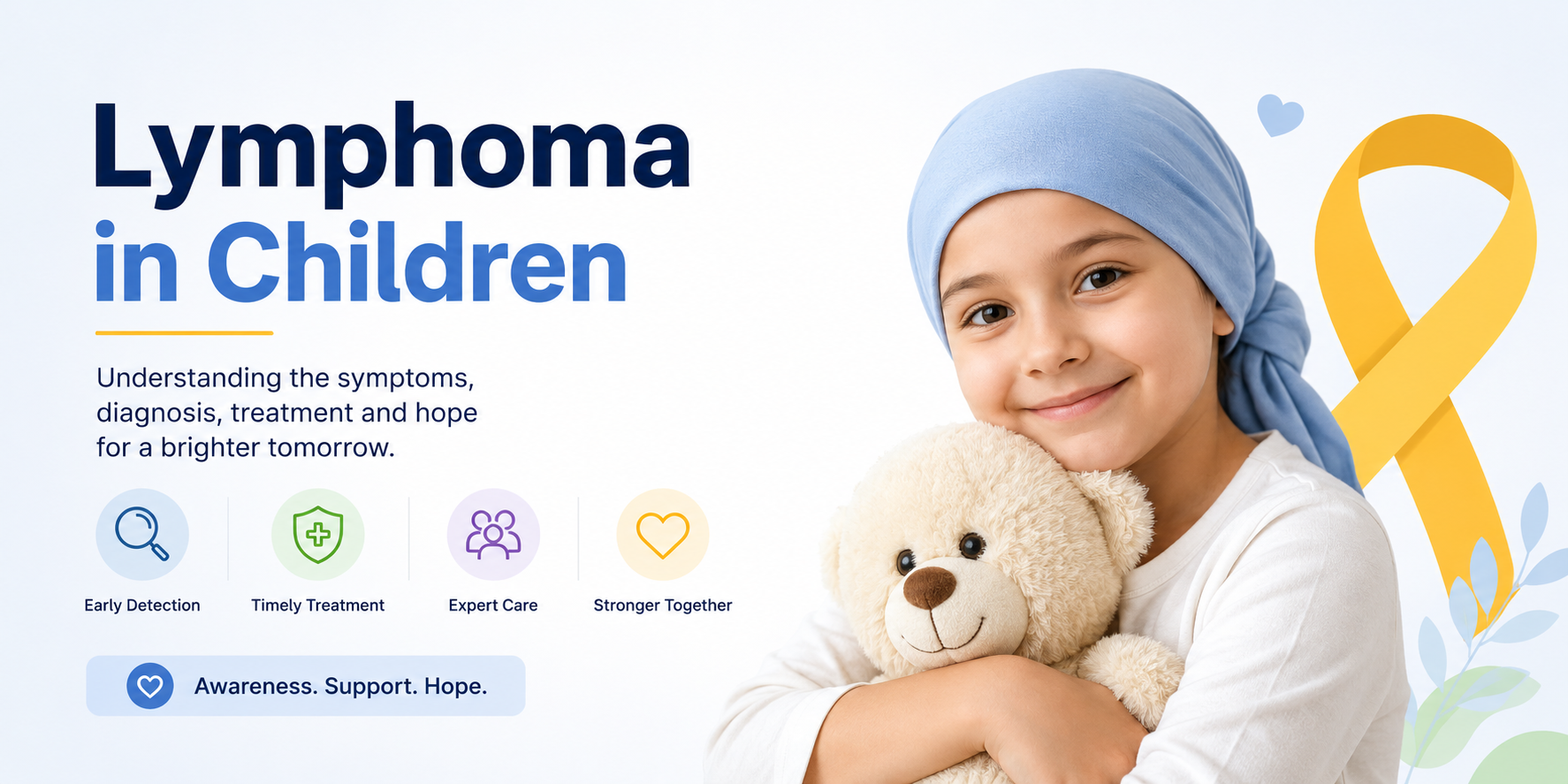
Lymphoma in Children 2026: Spot It Early and Fight Back 💛
😢 Did you know lymphoma is the 3rd most common childhood cancer — and children with immune conditions face a dramatically higher risk? This deeply emotional 2026 guide reveals the hidden warning signs, breakthrough treatments, and the one thing most doctors forget to tell special needs parents. Could you spot it today? 👇

- What Is Lymphoma and Why Does It Matter So Much for Special Needs Families?
- 📖 Understanding Lymphoma: The Foundation Every Parent Needs
- 📊 Lymphoma Statistics 2026: The Numbers Parents Should Know
- 🧬 What Causes Lymphoma in Children? Understanding the Risk Factors
- Key Risk Factors for Childhood Lymphoma
- 💡 The Special Needs + Lymphoma Connection — What Most Parents Are Never Told
- 🚨 Warning Signs of Lymphoma in Children — A Complete Parent’s Checklist
- 🔴 Warning Signs by Location of Lymphoma
- 🟡 Systemic “B Symptoms” — A Critical Warning Pattern
- 🟠 Behavioral Signs for Non-Verbal Children
- 🔬 How Is Lymphoma Diagnosed in Children?
- 💊 Lymphoma Treatments for Children in 2026 — A Complete Guide
- Treatment Options by Type
- 🔬 The CAR-T Cell Therapy Revolution in Lymphoma
- 🔬 Nivolumab — A Game-Changer for Hodgkin Lymphoma
- Treatment Considerations for Children with Special Needs
- 🗓️ Lymphoma Awareness Month 2026 — Everything Families Need to Know
- When Is Lymphoma Awareness Month?
- Key September 2026 Awareness Events
- The 2026 WLAD Campaign: “Know Your Nodes”
- How Special Needs Families Can Participate in 2026
- 🏫 Supporting a Child with Lymphoma at School — What Every Parent Needs to Know
- 🍽️ Nutrition During Lymphoma Treatment — Practical Guidance for Special Needs Families
- 🧠 The Emotional Impact of Lymphoma on Special Needs Families
- 🔍 The Special Needs + Lymphoma Intersection
- ❓ Frequently Asked Questions About Lymphoma in Children (2026)
- Q1: What is lymphoma in simple words?
- Q2: What are the first signs of lymphoma in a child?
- Q3: Is lymphoma more common in children with special needs?
- Q4: What is the survival rate for childhood lymphoma?
- Q5: What is the difference between Hodgkin and Non-Hodgkin lymphoma in children?
- Q6: When is World Lymphoma Awareness Day 2026?
- Q7: Is lymphoma curable in children?
- Q8: Can a child with autism be effectively treated for lymphoma?
- Q9: What does a swollen lymph node feel like in a child?
- Q10: Where can I find support for my family during my child’s lymphoma treatment?
- 💛 Final Words: Your Child Is More Than Their Diagnosis
What Is Lymphoma and Why Does It Matter So Much for Special Needs Families?
Lymphoma is a blood cancer that starts in the lymphatic system — and it is the third most common cancer diagnosed in children worldwide. Simply put, lymphoma occurs when lymphocytes (white blood cells that fight infection) grow out of control, forming tumors in lymph nodes and other tissues.
The vital truth? Children with immune-related conditions and certain special needs face a measurably elevated risk — yet most families are never warned.
This guide was written specifically for parents and caregivers of special needs children who deserve complete, compassionate, and research-backed information. Not medical jargon. Not cold clinical language. Real answers — delivered with the same care you give to your child every single day.
📖 Understanding Lymphoma: The Foundation Every Parent Needs
The lymphatic system is the body’s internal defense network. It runs throughout the entire body — through the neck, armpits, chest, abdomen, and groin — carrying a fluid called lymph, which contains immune cells called lymphocytes.
When lymphoma develops, these lymphocytes become cancerous. They multiply uncontrollably. They form masses called tumors in lymph nodes or lymph tissue. And as they spread, they interfere with the body’s ability to fight infection.
There are two main categories of lymphoma in children. Understanding the difference matters enormously for treatment.
The Two Main Types of Childhood Lymphoma
| Feature | Hodgkin Lymphoma (HL) | Non-Hodgkin Lymphoma (NHL) |
|---|---|---|
| Defining Cell | Reed-Sternberg cells present — unique to HL | No Reed-Sternberg cells |
| Growth Speed | Grows slowly — symptoms may be subtle for months | Can grow very quickly — symptoms appear in days or weeks |
| Age Group | Predominantly affects older children — two-thirds of cases occur in the 10–14 year age group; no cases in infants | More common in younger children; rare under age 3 |
| Most Common Sites | Lymph nodes in head, neck, and chest | Any lymph node or lymph tissue in the body |
| Survival Rates | Very high — among the most treatable cancers | 5-year survival rate for NHL has increased dramatically, from 43% in 1975 to 91.4% in 2014–2020 |
| Gender Pattern | Almost twice as common among boys as among girls | More common in boys overall |
Within Non-Hodgkin Lymphoma, there are further subtypes that are critical to know:
| NHL Subtype | Key Feature | Who It Affects Most |
|---|---|---|
| Burkitt Lymphoma | Fastest-growing human cancer; highly aggressive | Younger children; most common NHL subtype |
| Lymphoblastic Lymphoma | Grows in the thymus gland; affects breathing | Older children and adolescents |
| Diffuse Large B-Cell Lymphoma (DLBCL) | Starts in B-lymphocytes; common in abdomen | Children and teens |
| Anaplastic Large Cell Lymphoma (ALCL) | Linked to the ALCL protein; can involve skin | Teens and adolescents |
| Primary CNS Lymphoma | Very rare; affects brain and spinal cord | Any age; very uncommon |
📊 Lymphoma Statistics 2026: The Numbers Parents Should Know
These statistics are drawn from the most current, credible medical sources available. They tell an important story — one of rising awareness, improving survival, and the urgent need for earlier detection.
| Statistic | Data | Source |
|---|---|---|
| Lymphoma rank among childhood cancers | 3rd most common malignancy in children | Scientific Reports, 2025 |
| % of all childhood cancer cases | Lymphoma accounts for a significant portion of the ~9,680 new child cancer diagnoses in 2026 | CA Cancer J Clin, 2026 |
| Hodgkin lymphoma — % of childhood cancers | Hodgkin lymphoma accounts for 6.5% of childhood cancers | NCI / NCBI, 2025 |
| NHL 5-year survival rate (2014–2020) | 91.4% — up from just 43% in 1975 | NCI Fact Sheet |
| Hodgkin lymphoma — UK children per year | ~60 children diagnosed annually in the UK with HL | Children with Cancer UK |
| Age-adjusted incidence rate for pediatric lymphoma | 24.5 per million persons — comprising 13.0 per million for HL and 11.5 per million for NHL | PMC / SEER Data |
| Overall survival rate — pediatric lymphoma studies | Overall survival was 96%, with 86.7% of patients remaining event-free | Scientific Reports, 2025 |
| Lymphoma affects ~1 million people globally | Nearly 1,000 new cases diagnosed every day worldwide | Lymphoma Coalition / WLAD 2026 |
| ALCL — limited stage survival | Long-term survival rate of about 90% for limited stage | American Cancer Society |
| Adolescent lymphoma trend | Adolescent incidence continues to rise, as a result of increasing cases of leukemia and lymphoma | CA Cancer J Clin 2026 |
These numbers hold both a warning and a tremendous amount of hope. Survival rates that were once devastating — less than 50% for NHL in the 1970s — have been transformed through research into outcomes above 90% today.
Early detection and access to the right treatment remain the most powerful tools available.
🧬 What Causes Lymphoma in Children? Understanding the Risk Factors
The cause of lymphoma in most children remains incompletely understood. However, research has identified a set of clear risk factors — several of which are especially relevant for families of children with special needs.
Key Risk Factors for Childhood Lymphoma
- Weakened or altered immune system — The most significant risk factor for NHL in children. This includes children with inherited immune deficiencies, those on immunosuppressive medications, or those with conditions that alter immune function.
- Epstein-Barr Virus (EBV) infection — Also known as the virus behind mononucleosis (glandular fever). There is increasing evidence that infections such as the virus that causes glandular fever may play a part in Hodgkin lymphoma development, especially when it occurs in children.
- Family history — There is an increased risk of the disease among parents, siblings and identical twins of lymphoma patients.
- Prior radiation or chemotherapy — Treatment for another cancer can, rarely, trigger lymphoma.
- HIV/AIDS — Children with HIV have significantly elevated lymphoma risk.
- Certain autoimmune conditions — Chronic immune activation creates an environment where lymphoma is more likely to develop.
💡 The Special Needs + Lymphoma Connection — What Most Parents Are Never Told
Lymphoma is one of the most common malignancies in children, and it may be the first clinical manifestation of an inborn error of immunity (IEI), thereby hiding the immune defect and delaying genetic and immunological diagnosis.
In plain terms: for some children with inherited immune conditions — including some children with special needs — lymphoma may actually be the first visible sign of an underlying immune disorder. This is why immune monitoring matters.
| Special Need / Condition | How It Connects to Lymphoma Risk |
|---|---|
| Down Syndrome | Multisystemic features of Down Syndrome are accompanied by immunodeficiency, making children susceptible to infections and immune dysregulation with autoimmune, allergic, inflammatory, and hematological complications |
| Primary Immunodeficiency Disorders (PID) | Children with primary immunodeficiencies face elevated lymphoma risk; lymphoma may be the first clinical manifestation of an immune defect |
| Children on Immunosuppressive Medications | Drugs that suppress the immune system — used for organ transplants or autoimmune conditions — directly elevate lymphoma risk |
| Fanconi Anemia | DNA repair disorder associated with elevated risk of blood cancers including lymphoma |
| Wiskott-Aldrich Syndrome | Rare immune disorder with documented high lymphoma risk |
| Ataxia Telangiectasia | Genetic condition involving both neurological symptoms and significantly elevated lymphoma risk |
If your child has any of these conditions, proactive immune monitoring and regular pediatric check-ups are essential — not optional.
🚨 Warning Signs of Lymphoma in Children — A Complete Parent’s Checklist
One of the most important challenges with lymphoma is that its early symptoms are often subtle and easily mistaken for common illnesses.

This is especially problematic for children with special needs who may not be able to verbally report what they are feeling.
Know these signs. Check them regularly. Do not dismiss them.
🔴 Warning Signs by Location of Lymphoma
The most common lymphoma symptom in children is swollen lymph nodes. But the specific symptoms vary depending on where in the body the lymphoma is growing.
When lymphoma starts in the neck, head, or armpit:
- Painless, visible lump or swelling in the neck, armpit, or groin
- Swelling that has been present for more than two to three weeks without an obvious infection
- Lump that continues to grow rather than resolve
When lymphoma starts in the chest:
- Difficulty breathing, shortness of breath, chest pain, wheezing, or coughing
- These symptoms occur because enlarged lymph nodes in the chest press on the airways
- In severe cases, this can cause a serious emergency — seek urgent care immediately
When lymphoma starts in the abdomen:
- Pain in the abdomen, fever, constipation, and loss of appetite
- Noticeable swelling or distension of the belly
- Nausea without obvious cause
🟡 Systemic “B Symptoms” — A Critical Warning Pattern
A specific group of symptoms known as “B symptoms” are a recognized red flag for lymphoma. They must not be ignored.
B symptoms include: fever for no known reason, drenching night sweats, and weight loss for no known reason.
In children with special needs, these may appear as:
- Waking up at night in wet clothing or wet bedding, repeatedly
- Unexplained weight loss — the child is eating normally but losing weight
- A persistent low-grade fever lasting days or weeks with no identified infection
🟠 Behavioral Signs for Non-Verbal Children
For children with autism, intellectual disabilities, or communication challenges, you are essentially your child’s voice. Watch carefully for:
- ✅ Sudden increase in fatigue — sleeping more, reluctant to participate in favorite activities
- ✅ Refusing to be touched in certain areas — pressing on the neck, stomach, or chest
- ✅ Increased irritability or distress without an obvious cause
- ✅ Loss of appetite extending beyond normal food preferences
- ✅ New or worsening breathing sounds — wheezing, labored breathing
- ✅ Swollen areas visible to the eye or detectable when bathing or dressing
💬 A Real Parent’s Story — Eli’s Journey
“Eli has autism and is largely non-verbal. He started waking up soaked in sweat almost every night. I thought it was just his sensory stuff, or maybe he was too warm.
Then I noticed he’d stopped eating his favorite foods — which almost never happens. And there was a lump on his neck that I kept dismissing as a swollen gland from a cold. It wasn’t. He was 8 years old when we finally got a diagnosis of Non-Hodgkin Lymphoma.
He’s now 13, in full remission, and doing brilliantly. But if I hadn’t pushed past those ‘small’ signs, I shudder to think.
Trust what you see in your child’s daily behavior. You know them better than anyone.” — Michelle T., mother of a child with autism and NHL
Michelle’s story is not unique. For non-verbal children, behavioral and physical changes ARE the language of illness. That is why HopeForSpecial parents are — and must be — their child’s first, best advocates.
🔬 How Is Lymphoma Diagnosed in Children?
Diagnosis begins when a doctor assesses symptoms and orders tests. For children with special needs, parental reporting of behavioral changes is often what initiates the diagnostic process — which is why your observations matter so much.
Standard Diagnostic Steps
| Step | Test or Procedure | What It Reveals |
|---|---|---|
| Step 1 | Physical exam and symptom review | Checks for swollen lymph nodes and assesses overall health |
| Step 2 | Blood and urine tests | Identifies abnormalities in blood cell counts and organ function |
| Step 3 | Chest X-ray | Shows the heart, lungs, and other parts of the chest — checks for enlarged nodes in chest |
| Step 4 | CT scan, MRI, or PET scan | Shows precise location, size, and spread of lymphoma |
| Step 5 | Lymph node biopsy | The exact diagnosis is confirmed by removing part or all of an affected lymph gland so that the cells can be examined in the laboratory — usually under general anaesthetic |
| Step 6 | Bone marrow biopsy | Checks if lymphoma has spread into the bone marrow |
| Step 7 | Lumbar puncture (spinal tap) | Checks for involvement of the central nervous system |
| Step 8 | Immunophenotyping and genetic testing | Identifies the exact subtype and guides personalized treatment |
For children with special needs, general anesthesia used during biopsies may require additional planning. Always notify the anesthesiologist of your child’s specific needs, sensory sensitivities, and any medications they take.
💊 Lymphoma Treatments for Children in 2026 — A Complete Guide
Treatment for childhood lymphoma has evolved dramatically. For most children — including those with special needs — highly effective treatment options are now available.
Treatment Options by Type
| Treatment | What It Does | Best Used For |
|---|---|---|
| Chemotherapy | Drugs that kill fast-growing cancer cells | First-line treatment for most NHL and HL subtypes |
| Radiation therapy | Targeted radiation kills cancer cells | Selected HL cases; used more sparingly now due to long-term effects |
| Immunotherapy (Nivolumab) | Uses immune checkpoint inhibitors to help the body fight cancer | A Phase III trial found patients with newly diagnosed stage 3 or 4 Hodgkin lymphoma who received nivolumab along with standard chemotherapy had better outcomes and fewer side effects |
| Targeted therapy (Brentuximab Vedotin) | Targets a specific protein on HL cells | Relapsed or refractory Hodgkin lymphoma |
| CAR T-cell therapy | Re-engineers the patient’s own immune cells to fight lymphoma | Relapsed or refractory B-cell lymphoma — FDA approved |
| Stem cell transplant | Replaces diseased bone marrow with healthy donor cells | High-risk or relapsed cases after other treatments |
| Watch and wait | Monitoring without immediate treatment | Certain very slow-growing, limited-stage lymphomas |
🔬 The CAR-T Cell Therapy Revolution in Lymphoma
CAR-T cell therapy — which takes a patient’s own T-cells, genetically reprograms them, and infuses them back to destroy cancer — has fundamentally changed the outlook for children with relapsed lymphoma.
The Leukemia & Lymphoma Society has awarded over $100 million in the past 20 years to develop CAR T-therapies for patients with non-Hodgkin lymphoma, multiple myeloma and certain forms of leukemia.
Researchers at Baylor College of Medicine, supported by LLS, are actively examining ways to make CAR-T immunotherapy effective for T-cell blood cancers, particularly in children, adolescents, and young adults. This is an area of rapidly accelerating progress.
🔬 Nivolumab — A Game-Changer for Hodgkin Lymphoma
One of the most exciting 2025–2026 developments for childhood Hodgkin lymphoma is the nivolumab immunotherapy result.
A Phase III trial found that patients with newly diagnosed stage 3 or 4 Hodgkin lymphoma who received the immunotherapy nivolumab (Opdivo), along with standard chemotherapy, had better outcomes and fewer side effects than those who received the current standard-of-care treatment brentuximab vedotin (Adcetris).
This is a meaningful advance — particularly because reducing long-term side effects matters enormously for children who still have decades of life ahead of them.
Treatment Considerations for Children with Special Needs
Children with immune-related conditions, Down Syndrome, or those on existing medications require extra care during lymphoma treatment planning:
- Drug interactions — Certain chemotherapy agents interact with medications commonly used in special needs children. Always provide the full medication list to the oncology team.
- Sensory challenges during treatment — IV placements, hospital stays, and procedures can be profoundly distressing for children with sensory processing differences. Request a child life specialist to prepare your child.
- Communication during treatment — For non-verbal children, use visual schedules, PECS (Picture Exchange Communication System), or AAC devices to explain what will happen at each appointment.
- Existing IEP accommodations — These will need updating to reflect new medical realities, including extended absences and fatigue.
🗓️ Lymphoma Awareness Month 2026 — Everything Families Need to Know
When Is Lymphoma Awareness Month?
There are two important dates every family should know:
September is Blood Cancer Awareness Month (BCAM) — designated by the US Congress and led by organizations including the Lymphoma Research Foundation and the Leukemia & Lymphoma Society (LLS).
September 15 is World Lymphoma Awareness Day (WLAD) 2026 — In 2026, the global lymphoma community will come together under a new theme: “Navigating Lymphoma and CLL Together” — a campaign that positions the Lymphoma Coalition and its members as trusted guides throughout the patient journey, from diagnosis to survivorship.
This global initiative, led by the Lymphoma Coalition and supported by patient groups in over 50 countries, brings attention to lymphoma. The day focuses on early detection, treatment options, emotional wellbeing, and removing stigma through education and real-life stories.
Key September 2026 Awareness Events
| Event | Date | How to Participate |
|---|---|---|
| Blood Cancer Awareness Month | All of September 2026 | Donate, volunteer, or share awareness at lls.org |
| World Lymphoma Awareness Day (WLAD) | September 15, 2026 (Monday) | Share #KnowYourNodes and #WLAD on social media |
| Lymphoma Research Foundation Giving Day | September 15, 2026 | Donate at lymphoma.org to fund pediatric research |
| LLS Educational Forum | September (virtual) | Free two-day virtual conference on lymphoma diagnosis, treatment, and clinical trials |
| LLS Light the Night | September (multiple US cities) | Walk in solidarity — families carry lit lanterns; free to register at lls.org |
| AACR Malignant Lymphoma Meeting | June 2026 | Research meeting accelerating lymphoma treatment advances — aacr.org |
The 2026 WLAD Campaign: “Know Your Nodes”
This year’s World Lymphoma Awareness Day campaign focuses on the message “Know Your Nodes.” Many people don’t know the signs — like swollen lymph nodes, unexplained weight loss, fatigue, or night sweats — so the day urges awareness of early detection.
For parents of special needs children, “Know Your Nodes” is more than a slogan. It is a daily practice. Knowing where your child’s lymph nodes are — in the neck, armpits, groin, and abdomen — and knowing what a normal lymph node feels like for your child gives you a critical baseline for spotting changes early.
How Special Needs Families Can Participate in 2026
✨ Educate your child’s school in September — Ask teachers to discuss diversity in health, awareness ribbons (lime green for lymphoma), and empathy toward children with illness.
✨ Attend the LLS Light the Night walk — Children can participate at almost any mobility or cognitive level. It is a powerful, family-friendly event.
✨ Share your story with the Lymphoma Coalition — About two-thirds of people report emotional challenges after a lymphoma diagnosis, highlighting the importance of peer support and shared experience.
✨ Download free LLS resources — The LLS offers a free booklet, Long Term and Late Effects of Treatment for Childhood Leukemia or Lymphoma Facts, which is invaluable for families navigating survivorship.
✨ Support the Lymphoma Research Foundation Giving Day on September 15 — Every gift directly funds research into better, less toxic treatments for children.
🏫 Supporting a Child with Lymphoma at School — What Every Parent Needs to Know
A lymphoma diagnosis does not mean your child’s education has to stop. But it does mean that school life will look different — and proactive planning is essential.
Immediate School Advocacy Checklist
Before Treatment Begins:
- [ ] Request an emergency IEP or 504 meeting — do not wait for the annual review
- [ ] Ask the school to arrange homebound instruction for periods of hospital admission
- [ ] Establish a consistent point of contact at school who will monitor your child’s wellbeing
During Treatment:
- [ ] Update the IEP or 504 to reflect fatigue, infection precautions, attendance flexibility, and cognitive effects
- [ ] Ask for extended time on assignments and tests
- [ ] Request that the school nurse maintains a clear protocol for when to contact you regarding any illness outbreak
- [ ] Consider a hospital school program — many children’s cancer centers have dedicated educators
On Return to School:
- [ ] Prepare classmates with a brief, age-appropriate classroom session (with your permission)
🍽️ Nutrition During Lymphoma Treatment — Practical Guidance for Special Needs Families
Children undergoing chemotherapy for lymphoma often face significant nutrition challenges. For children with special needs who may already have feeding difficulties, sensory food aversions, or restricted diets, this layer of complexity requires specific attention.
Common Nutrition Challenges and Solutions
| Challenge | Why It Happens | Practical Strategy |
|---|---|---|
| Severe nausea | Chemotherapy irritates the digestive system | Cold, bland foods; small portions every 2–3 hours; anti-nausea medication |
| Mouth sores (mucositis) | Chemotherapy affects fast-growing cells in the mouth | Soft, cool foods; rinse with saline; avoid acidic or spicy foods |
| Food texture aversions | Chemotherapy can change taste and texture perception | Work with a feeding therapist familiar with both oncology and special needs |
| Restricted diets (autism, sensory) | Existing food preferences become narrower under treatment stress | Collaborate with a registered dietitian experienced in both areas |
| Immune suppression food safety | Low white cell counts mean infection risk is high | Avoid raw foods; strict food hygiene; no unpasteurized products |
| Fatigue-related poor intake | Too tired to eat or ask for food | Offer food at your child’s highest energy times; calorie-dense small portions |
💡 Request a referral to a pediatric registered dietitian with oncology experience at the start of treatment. This is a standard part of care at most children’s cancer centers — but you may need to ask for it specifically.
🧠 The Emotional Impact of Lymphoma on Special Needs Families
A lymphoma diagnosis in a special needs child is not a single crisis. It is a layered, ongoing emotional experience that touches every member of the family.
About two-thirds of people report emotional challenges after a lymphoma diagnosis — highlighting the importance of support, community, and professional help.
For special needs families, those emotional challenges are multiplied by:
- Disruption to carefully built routines that children with autism, ADHD, or anxiety depend on
- Sensory overload from hospital environments that are overwhelming even for neurotypical children
- The psychological weight of managing a child’s cancer diagnosis on top of an existing special need
What Research Tells Us About Family Support
When caregivers and siblings are supported, the child feels more secure and resilient — and medical teams now recognize the importance of strengthening the entire family unit, not just treating the patient.
🌈 Practical Emotional Support Strategies for Your Family
For your child with lymphoma:
- Create a “hospital comfort kit” — their favorite sensory items, headphones, a comfort toy
- Celebrate every milestone — the end of a treatment cycle, a good scan, even a blood draw managed calmly
For yourself:
- Join a parent support group at the hospital — many pediatric cancer centers have them specifically for parents of children with special needs AND cancer
- Contact the Lymphoma Research Foundation’s helpline for one-on-one peer support
- Do not try to manage this alone. Asking for help is not weakness — it is the most loving thing you can do for your child
For siblings:
- Use sibling support programs offered by most major children’s hospitals
- Keep siblings’ routines as consistent as possible during treatment
- Let them feel included — not excluded from what is happening
🔍 The Special Needs + Lymphoma Intersection
Here are the unique realities of families raising special needs children alongside a lymphoma diagnosis.
1. Lymphoma can be the first sign of a hidden immune disorder.
Lymphoma may be the first clinical manifestation of an inborn error of immunity, hiding the immune defect and delaying genetic and immunological diagnosis. This means that a lymphoma diagnosis in a special needs child should prompt a thorough immune workup.
2. Non-verbal children cannot report the “B symptoms” that flag lymphoma.
Night sweats and unexplained weight loss may go unrecognized for far longer in a non-verbal child. Parents and caregivers need explicit guidance on monitoring for these physical signs.
3. Hospital environments are traumatic for children with sensory needs.
The cold lighting, unfamiliar sounds, and physical contact of hospital procedures are significant barriers. Child life specialists trained in neurodiversity must be requested — they exist, but parents have to ask.
4. IEP updates after diagnosis are legally required but rarely automatic.
Schools are legally obligated to update a child’s IEP when a significant medical change occurs. Many families are not told this and lose months of appropriate support.
5. The research funding gap for immunocompromised children with lymphoma.
Children with existing immune conditions who develop lymphoma are frequently underrepresented in clinical trials because their baseline immune profiles make them ineligible for standard protocols. This is an advocacy issue that affects real children right now.
❓ Frequently Asked Questions About Lymphoma in Children (2026)
Q1: What is lymphoma in simple words?
Lymphoma is a cancer of the lymphatic system — the network that runs throughout your body fighting infection. It starts when lymphocytes (white blood cells) grow out of control and form tumors in lymph nodes or other lymph tissue.
Q2: What are the first signs of lymphoma in a child?
The most common lymphoma symptom in children is swollen lymph nodes. Additional early signs include unexplained fever, drenching night sweats, unintentional weight loss, and persistent fatigue. In younger or non-verbal children, behavioral changes and physical changes observed by caregivers are often the first clues.
Q3: Is lymphoma more common in children with special needs?
Children with immune-related conditions, including Down Syndrome and primary immunodeficiency disorders, carry elevated risk. The multisystemic features of Down Syndrome are accompanied by immunodeficiency, making children susceptible to immune dysregulation with hematological complications. Children with conditions like Wiskott-Aldrich Syndrome and Ataxia Telangiectasia also face specifically elevated lymphoma risk.
Q4: What is the survival rate for childhood lymphoma?
Survival rates for childhood lymphoma are among the highest of any cancer. The 5-year survival rate for children with non-Hodgkin lymphoma has increased from 43% in 1975 to 91.4% in 2014–2020. For Hodgkin lymphoma, survival rates are similarly high — especially when caught early.
Q5: What is the difference between Hodgkin and Non-Hodgkin lymphoma in children?
Hodgkin lymphoma is identified by the presence of Reed-Sternberg cells. Non-Hodgkin lymphoma can grow more quickly — symptoms may develop over the course of a few days to a few weeks — while Hodgkin lymphoma develops slowly, so you may not notice symptoms for months.
Q6: When is World Lymphoma Awareness Day 2026?
September 15 marks World Lymphoma Awareness Day. In 2026, it falls on a Monday, with the global lymphoma community coming together under the theme “Navigating Lymphoma and CLL Together.”
Q7: Is lymphoma curable in children?
Yes — for most children, lymphoma is highly treatable and frequently curable, especially when caught early. Studies report overall survival of 96% in pediatric lymphoma patients, with 86.7% of patients remaining event-free over follow-up periods.
Q8: Can a child with autism be effectively treated for lymphoma?
Yes. With the right preparation — including child life specialists, sensory-adapted hospital environments, visual social stories, and care team coordination — children with autism can navigate lymphoma treatment successfully. It requires proactive planning and advocacy from parents.
Q9: What does a swollen lymph node feel like in a child?
A swollen lymph node usually feels like a firm, rubbery lump under the skin — most commonly in the neck, armpit, or groin. In most cases, swollen nodes are caused by infection and resolve on their own. A lymph node that is painless, does not shrink after two to three weeks, or continues to grow should be evaluated by a doctor.
Q10: Where can I find support for my family during my child’s lymphoma treatment?
The Leukemia & Lymphoma Society (LLS) offers free information specialist consultations, financial assistance, and peer support. The Lymphoma Research Foundation offers a helpline, virtual support groups, and a Lymphoma Giving Day on September 15. Many children’s hospitals also have dedicated social workers who support the entire family — not just the patient.
💛 Final Words: Your Child Is More Than Their Diagnosis
If you are reading this because you are worried — or because a diagnosis has just changed everything — please hear this clearly.
Childhood lymphoma is one of the most treatable cancers in all of oncology. The transformation in survival rates over the past 50 years is one of medicine’s greatest achievements. New immunotherapies. CAR-T cell therapy. Nivolumab. Research funding growing every year. Clinical trials expanding access to breakthrough treatments.
And throughout all of it, the most powerful force in any child’s recovery has never changed.
It is you. The parent who notices the lump. Who pushes past the first doctor’s reassurance. Who stays in the hospital room all night. Who rebuilds routine when treatment disrupts everything. Who loves their child through the hardest days and celebrates every small victory.
At HopeForSpecial, we see you. You are not navigating this alone. 💛
🔗 Essential Resources for Lymphoma Families
- 🌐 Leukemia & Lymphoma Society (LLS) — Free support, financial assistance, information specialists
- 🌐 Lymphoma Research Foundation — Research updates, helpline, Giving Day September 15
- 🌐 Lymphoma Coalition — World Lymphoma Awareness Day — 2026 campaign resources
- 🌐 American Cancer Society — Childhood Lymphoma — Survival rates and clinical information
- 🌐 NCI — Childhood Hodgkin Lymphoma Treatment — Official NCI treatment guide
- 🌐 Children with Cancer UK — Lymphoma — Family-friendly information and support
- 🌐 ClinicalTrials.gov — Search active lymphoma trials for children
This article is written for educational and informational purposes only. It does not constitute medical advice. Always consult a qualified pediatric oncologist for diagnosis and treatment of lymphoma in your child.


