

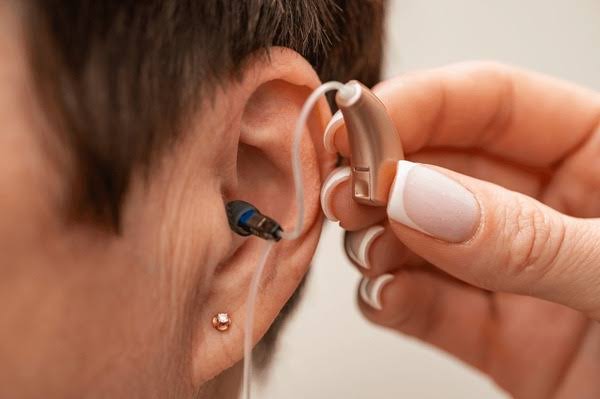
Hearing Aid Stores| Hearing Aid Providers Near Me
Hearing aid stores are crucial resources for individuals experiencing hearing loss. With advanced technology, nationwide chains, and local specialists, choosing the right provider can be overwhelming. This guide simplifies your search by highlighting top brands, services, store locations, repair options, pricing, and more.

- 📍 What Are Hearing Aid Stores?
- 🧭 Why Choose Local Hearing Aid Stores?
- 🔍 Top Hearing Aid Stores and Providers
- 🛍️ 1. Costco Hearing Aid Centers
- 🏪 2. Walgreens Hearing Aids
- 🏢 3. CVS Pharmacy Hearing Aid Options
- 👂 4. Miracle-Ear Company Store
- 🧠 5. Eargo Store Locations
- 🏬 More Top Hearing Aid Store Chains Across the US
- 🏥 6. HearUSA
- 👂 7. Beltone
- 🛒 8. Sam’s Club Hearing Aid Centers
- 🌐 9. HearingLife
- 📱 10. Jabra Enhance (Online + Partner Stores)
- 📊 Hearing Aid Market Statistics
- 🛠️ Hearing Aid Repair Shops Near Me
- 🖥️ Hearing Aid Stores vs. Online Retailers — Which Is Right for You?
- 💡 OTC vs Prescription Hearing Aids
- 🏥 Does Insurance Cover Hearing Aids? Here Is What You Need to Know
- Insurance Coverage at a Glance
- The 5 States That Require Hearing Aid Coverage for Adults
- What to Ask Your Insurance Company Before You Visit a Store
- Other Ways to Get Financial Help for Hearing Aids
- 🛍️ Popular Retail Chains Selling Hearing Aids
- 📅 What to Expect on Your First Visit to a Hearing Aid Store
- Step 1: Intake and Case History (10–15 minutes)
- Step 2: The Hearing Test (20–30 minutes)
- Step 3: Review of Results and Recommendations (15–20 minutes)
- Step 4: Hearing Aid Demonstration or Trial Fitting (Optional, 10–20 minutes)
- Step 5: Discussion of Pricing, Insurance, and Trial Period
- What to Bring to Your First Appointment
- 📈 How to Read Your Audiogram — Understanding Your Hearing Test Results
- What Is an Audiogram?
- Degrees of Hearing Loss — Explained Simply
- The Connection Between Your Audiogram and Speech Understanding
- ✅ Choosing the Right Hearing Aid Store
- 🚩 Red Flags: Warning Signs of a Bad Hearing Aid Store
- 💰 Free and Low-Cost Hearing Aid Programs You May Not Know About
- Programs That Can Help You Get Hearing Aids for Free or at Reduced Cost
- Using Your FSA or HSA to Pay for Hearing Aids
- ❓ Frequently Asked Questions (FAQs)
- 🔊 What are the best hearing aid stores near me?
- 💲 How much do hearing aids cost at CVS?
- 🛠️ Can I get my hearing aid repaired at Costco?
- 📱 Where can I buy Eargo hearing aids?
- 🛒 Are Lexie hearing aids available at Walgreens?
- 🌐 Authoritative Links and Resources
- 🏁 Conclusion: Finding Your Best Hearing Aid Store
📍 What Are Hearing Aid Stores?
Hearing aid stores are specialized retail outlets offering hearing assessments, hearing aid fittings, sales, repairs, and follow-up care. These stores may be independent audiology clinics, big-box retailers like Costco, pharmacy chains such as Walgreens, or hearing-focused companies like Miracle-Ear and Eargo.
🧭 Why Choose Local Hearing Aid Stores?
Finding “hearing aid providers near me” has never been easier. Local stores offer:
- Personalized assessments
- Device trials and fittings
- Maintenance and cleaning
- Warranty and repair services
- Expert audiologists and specialists
Whether you’re searching for a hearing aid shop nearby or chain-based hearing aid stores, the proximity matters for follow-ups and quick service.
👶 Hearing Aid Stores for Children with Special Needs
If you are a parent of a child with hearing loss or a developmental disability, finding the right hearing aid store is a very different experience from shopping for an adult. The good news is that there are stores and professionals specifically trained to help children of all ages.
First, here is something important to know: Over-the-counter (OTC) hearing aids are not approved for children under 18 years of age. According to the FDA and the American Academy of Audiology, children must always be seen by a licensed pediatric audiologist. This is not just a rule — it is for your child’s safety.
So, where should you go?
What Type of Hearing Aid Store Is Best for Kids?
| Store / Provider Type | Good for Children? | Why |
|---|---|---|
| Pediatric Audiology Clinic | ✅ Yes — Best Option | Specially trained in children’s ear anatomy, growth needs, and programming |
| ENT (Ear, Nose, Throat) Doctor | ✅ Yes | Can diagnose before fitting; often works with audiologists |
| Costco Hearing Aid Center | ⚠️ Limited | Good prices, but not specialized for pediatric complex needs |
| Walgreens / CVS OTC Section | ❌ No | OTC hearing aids are not for children |
| Hospital Audiology Department | ✅ Yes — Excellent | Full diagnostic capabilities and team-based care |
Why Children Need a Specialist, Not Just Any Store
Children’s ears grow quickly. This means that the earmold — the soft piece that fits inside the ear — often needs to be replaced every 6 to 12 months, even though the hearing aid itself can last several years.
A regular retail store is simply not equipped to handle this kind of ongoing adjustment. Stanford Children’s Health explains that the type of hearing aid recommended for your child depends on their physical limitations, health condition, and personal preference.
Additionally, according to Children’s National Hospital, over 3 million children in the US have hearing loss, and about 1.3 million of them are younger than age 3. Early fitting is critical for speech and language development.
Most Common Hearing Aid Type for Children
The Behind-the-Ear (BTE) hearing aid is by far the most recommended style for young children. Here is why:
- It sits behind the ear and connects to a custom earmold — easy to replace as the child grows
- It is durable enough to handle daily play and activity
- It works for a wide range of hearing loss levels, from mild to profound
- It can connect to classroom FM systems, which many schools provide for children with hearing loss (ASHA)
🔒 Important Safety Note for Parents
Hearing aid batteries are extremely dangerous for small children. The National Battery Ingestion Hotline can be reached at 1-800-498-8666 if you ever suspect your child has swallowed a battery. Always look for hearing aids with child-resistant battery compartment locks when shopping for younger children.
Quick Checklist: What to Ask When Buying a Hearing Aid for Your Child
- Is this audiologist specifically trained in pediatric hearing care?
- Will they coordinate with my child’s school or educational team?
- How often will we need to replace earmolds as my child grows?
- Does the device connect to classroom assistive listening systems (FM systems)?
- Is the battery compartment child-resistant and lockable?
- What is the trial and return policy?
🔍 Top Hearing Aid Stores and Providers
🛍️ 1. Costco Hearing Aid Centers
Costco is one of the most popular destinations for affordable hearing aids.
| Feature | Details |
|---|---|
| Brands Offered | Kirkland, Phonak, Rexton, Philips |
| Hearing Test | Free with membership |
| Prices | $1,499 for a pair (Kirkland Signature 10.0) |
| Repair Service | Yes, Costco hearing aid repair at in-store centers |
| 2021 Prices | Average pair ~$1,200–$1,500 (source: HearingTracker) |
| Buy Online | No, must visit a local store |
Search terms like buy Costco hearing aids, Costco ear testing, and Costco hearing aid prices 2021 remain popular due to their competitive offerings.
🏪 2. Walgreens Hearing Aids
Walgreens partners with brands like Lexie and Starkey to offer over-the-counter hearing solutions.
- Lexie Hearing Aids at Walgreens: Bluetooth-enabled, app-controlled devices.
- Walgreens Starkey: Prescription-level aids supported by the Starkey brand.
- Convenient access at thousands of retail locations.
🏢 3. CVS Pharmacy Hearing Aid Options
CVS carries several hearing enhancement products, including:
- MSA 30X Sound Amplifier CVS
- Personal Sound Amplification Products (PSAPs)
- Hearing screenings in some MinuteClinic locations
💲 CVS Hearing Aids Cost: Ranges from $29.99 for amplifiers to $699 for advanced OTC aids.
👂 4. Miracle-Ear Company Store
With over 1,500 locations nationwide, the Miracle-Ear company store is a leader in the hearing aid industry.
- Offers free hearing tests
- Provides customized solutions
- Full-service repair and cleaning centers
Miracle-Ear’s strong customer support makes them a go-to for reliable, in-person care.
🧠 5. Eargo Store Locations
Eargo focuses on sleek, rechargeable hearing aids available online and through select Victra Eargo locations (Victra is a Verizon Authorized Retailer).
- Nearly invisible design
- Rechargeable batteries
- Smartphone support
- Licensed through innerscope hearing technologies inc walmart
You can find Eargo products at Walmart, Victra, and online, though Eargo store locations are fewer than larger chains.
🏬 More Top Hearing Aid Store Chains Across the US
Beyond the major names, there are several other highly rated hearing aid store chains that many people do not know about.
In fact, a survey of over 13,000 people by Consumer Reports found that 86% of buyers who purchased from professional providers were satisfied with their experience. Here are some important options you should compare:
🏥 6. HearUSA
HearUSA is one of the fastest-growing hearing care networks in the United States. They have been recognized as America’s Best Retailer three years running.
| Feature | Details |
|---|---|
| Free Hearing Screening | ✅ Yes |
| Trial Period | 60-day risk-free trial |
| Same-Day Fitting | ✅ Available at many locations |
| Insurance Support | Works with 100s of insurance plans |
| Best For | Those who want quick, same-day service with full insurance support |
Visit HearUSA’s website to find a center near you.
👂 7. Beltone
Beltone is one of the most recognizable names in hearing care, with decades of experience. They offer free hearing tests at their centers and specialize in behind-the-ear and custom hearing aids.
- Strong network of hearing care professionals across the US
- Known for personalized programming and follow-up care
- Offers remote adjustments through their app
- Find a location at Beltone’s store finder
🛒 8. Sam’s Club Hearing Aid Centers
Similar to Costco, Sam’s Club offers hearing aid services at highly competitive prices for members.
| Feature | Details |
|---|---|
| Membership Required | ✅ Yes |
| Services Offered | Hearing tests, fittings, follow-up care |
| Price Range | Comparable to Costco, significantly below retail |
| Best For | Budget-conscious shoppers who already have a Sam’s Club membership |
🌐 9. HearingLife
HearingLife operates hundreds of clinics across the US and focuses on professional audiologist-led care. They are part of the Demant Group, one of the largest hearing care companies in the world.
- Comprehensive hearing evaluations by licensed audiologists
- Wide range of brands available (not locked to one manufacturer)
- Offers financing plans for those without full insurance coverage
📱 10. Jabra Enhance (Online + Partner Stores)
Jabra Enhance offers a unique model where you can get hearing aids delivered to your home, with professional support available online.
- 100-day return policy (one of the longest in the industry)
- App-controlled adjustments from your smartphone
- Great option for mild to moderate hearing loss
- Best for tech-savvy users comfortable with self-fitting
📊 Hearing Aid Market Statistics
| Metric | Value | Source |
|---|---|---|
| Global Hearing Aid Market Size | $10.2 billion (2023) | Statista |
| % of Americans with Hearing Loss | ~15% of adults | CDC |
| Avg. Cost of Hearing Aids (US) | $2,000–$6,000 per pair | Hearing Loss Association of America |
| % of People Using Hearing Aids | Only 30% of those who need them | NIDCD |
🛠️ Hearing Aid Repair Shops Near Me
Your device may require cleaning, battery replacement, or full repair. Here’s where to go:
- Costco Hearing Aid Repair: Available at all hearing aid centers.
- Independent Clinics: Search hearing aid repair shops near me for local services.
- PhonakPro Store: Offers support and parts for Phonak devices.
🖥️ Hearing Aid Stores vs. Online Retailers — Which Is Right for You?
With more people shopping online for everything from groceries to glasses, it is no surprise that online hearing aid retailers are growing fast. But is buying a hearing aid online actually a good idea? The answer is: it depends on your situation.
Here is an honest comparison.
Side-by-Side Comparison
| Factor | In-Store Hearing Aid Stores | Online Hearing Aid Retailers |
|---|---|---|
| Professional Fitting | ✅ In-person by audiologist | ❌ Self-fitted using app or instructions |
| Hearing Test Included | ✅ Usually free in-store | ⚠️ Online self-test only (less accurate) |
| Custom Programming | ✅ Tailored to your audiogram | ⚠️ Limited customization |
| Trial Period | Usually 30–60 days | Often 45–100 days |
| Repair / Follow-up | ✅ Walk in anytime | ⚠️ Mail-in or remote support only |
| Price | $1,500–$6,000+ per pair | $200–$3,000 per pair |
| Best For | Moderate-to-severe hearing loss; older adults; first-time users | Mild-to-moderate loss; tech-savvy adults; budget-conscious shoppers |
| Insurance Processing | ✅ Store handles it for you | ⚠️ Usually self-submit for reimbursement |
When You Should Go to a Physical Store
- You have never worn a hearing aid before and need hands-on guidance
- Your hearing loss is moderate to severe or profound
- You have a child with hearing loss (in-person pediatric specialist is always required)
- You have complex hearing needs (tinnitus, balance issues, one-sided hearing loss)
- You want your insurance applied directly at the point of sale
When an Online Option Might Work
- You have already been evaluated and diagnosed by an audiologist
- Your hearing loss is mild to moderate
- You are comfortable using a smartphone app to adjust your device
Important: Regardless of where you buy, always start with a proper hearing evaluation from a licensed audiologist or audiometry professional. This gives you an accurate baseline and protects you from buying the wrong device. (NIDCD)
💡 OTC vs Prescription Hearing Aids
| Feature | OTC Hearing Aids | Prescription Hearing Aids |
|---|---|---|
| Where to Buy | Walgreens, CVS, Walmart | Audiologist clinics, Miracle-Ear, etc. |
| Custom Fitting | ❌ | ✅ |
| Cost | $200–$1,000 | $2,000–$6,000 |
| Best For | Mild to moderate hearing loss | Severe hearing loss |
🏥 Does Insurance Cover Hearing Aids? Here Is What You Need to Know
One of the biggest questions people ask before visiting any hearing aid store is: “Will my insurance pay for this?”
The honest answer is — it depends. But let us break it down simply so you know exactly what to expect before you walk into any store.
Insurance Coverage at a Glance
| Insurance Type | Covers Hearing Aids? | Notes |
|---|---|---|
| Original Medicare (Parts A & B) | ❌ No | Does not cover hearing aids or routine hearing exams as of 2025 (Florida Hearing Institute) |
| Medicare Advantage (Part C) | ⚠️ Sometimes | Many plans include partial hearing aid coverage; check your specific plan |
| Medicaid | ⚠️ Varies by State | All states must cover children; adult coverage varies by state |
| Private / Employer Insurance | ⚠️ Varies | Some plans offer $1,000–$2,500 toward aids every 3–5 years |
| VA / TRICARE (Veterans) | ✅ Yes (if eligible) | Free hearing aids and exams for qualifying veterans |
| FSA / HSA Accounts | ✅ Yes | You can use pre-tax dollars; 2025 HSA limit is $4,300 for individuals |
The 5 States That Require Hearing Aid Coverage for Adults
As of 2025, only five US states legally require private health insurance to cover hearing aids for adults: Arkansas, Connecticut, Illinois, New Hampshire, and Rhode Island. (Aging in Place)
If you live in one of these states, call your insurance company right away to ask about your benefits before you shop.
What to Ask Your Insurance Company Before You Visit a Store
Before stepping into any hearing aid store, call the number on the back of your insurance card and ask these exact questions:
- Does my plan include a hearing aid benefit?
- Which hearing aid providers are in my network?
- How much is covered, and how often?
- Do I need a referral or pre-approval first?
- Are both the device and the fitting appointment covered?
This preparation can save you hundreds or even thousands of dollars.
Other Ways to Get Financial Help for Hearing Aids
Even if your insurance does not cover hearing aids, do not give up. There are several programs that can help:
- Veterans Benefits (VA): Free hearing exams and aids for qualifying veterans
- Medicaid: Covers children in all 50 states; adults in many states
- State Vocational Rehabilitation Programs: May cover costs for working-age adults who need hearing aids for employment
- Lions Club International: Offers discounted Rexton hearing aids through local chapters
- AARP / UnitedHealthcare Members: Free exams, 20% off aids, 15% off accessories
- Health Savings Account (HSA): Use pre-tax dollars; aids, batteries, and maintenance all qualify
- Flexible Spending Account (FSA): Employer-sponsored pre-tax benefit for medical expenses
For a full breakdown of state-by-state Medicaid coverage, visit the Hearing Loss Association of America.
🛍️ Popular Retail Chains Selling Hearing Aids
- Costco Hearing Aid Centers
- Lexie Walgreens
- CVS
- Walmart via Innerscope Hearing Technologies Inc
- Miracle-Ear Company Store
- Eargo via Victra and online
Each option differs in cost, technology, and service availability.
📅 What to Expect on Your First Visit to a Hearing Aid Store
Many people put off visiting a hearing aid store simply because they do not know what will happen when they get there. The process is actually quite straightforward — and knowing what to expect ahead of time makes it much less stressful.
Here is a simple, step-by-step walk-through of a typical first visit:
Step 1: Intake and Case History (10–15 minutes)
When you first arrive, a staff member or audiologist will ask you a series of questions about your hearing history. These may include:
- When did you first notice changes in your hearing?
- Do you struggle more in noisy environments or quiet ones?
- Do you have any ringing in the ears (tinnitus)?
- What is your lifestyle like — do you spend time outdoors, in meetings, watching TV?
This step helps the audiologist understand your listening environments and personal goals, not just your medical history.
Step 2: The Hearing Test (20–30 minutes)
Next, you will typically move into a soundproof booth for a proper hearing evaluation. This is painless and does not involve any needles or equipment inserted into the ear. The audiologist will:
- Play a series of tones at different volumes and frequencies through headphones
- Sometimes play speech sounds to test how well you understand words
The results are plotted on a chart called an audiogram, which shows the softest sounds you can hear at different pitches. According to the UCSF Audiology Program, a good provider will always perform a comprehensive diagnostic test before recommending any device.
Step 3: Review of Results and Recommendations (15–20 minutes)
After the test, the audiologist will explain your results and what type of hearing loss you have, if any. They will then discuss:
- Which hearing aid styles might work best for you
- What technology level fits your lifestyle and budget
- Whether you need one device or two
- What to realistically expect in terms of improvement
Step 4: Hearing Aid Demonstration or Trial Fitting (Optional, 10–20 minutes)
Many hearing aid stores — including Miracle-Ear, HearUSA, and independent clinics — will let you try a device right there in the office. This is a great opportunity to hear the difference firsthand. Do not be shy about asking for this demonstration.
Step 5: Discussion of Pricing, Insurance, and Trial Period
Before you leave, make sure you get clear answers on:
- The full cost of the device, including follow-up visits
- Whether your insurance covers any portion
- The length of the trial period (aim for at least 30–60 days)
- The return and refund policy if you are not satisfied
Pro Tip: According to Associated Audiologists, always ask whether the hearing aids use open universal software or are proprietary/locked software that can only be adjusted by that specific store. Locked devices can cause problems if you move, travel, or switch providers later.
What to Bring to Your First Appointment
- A list of all current medications (some medications affect hearing)
- Your insurance card
- A trusted family member or friend (they can help you remember details and notice improvements you might miss)
- Any previous hearing test results you already have
📈 How to Read Your Audiogram — Understanding Your Hearing Test Results
After your first hearing test at any hearing aid store or audiology clinic, you will receive a chart called an audiogram. Most people have no idea what this chart means.
Let us explain it in plain, simple language.
What Is an Audiogram?
An audiogram is simply a graph that shows the softest sounds you can hear at different pitches (frequencies). Think of it like a map of your hearing ability across the range of sounds that make up everyday speech and environmental noise.
- The horizontal axis (left to right) shows sound frequency from low-pitched sounds (like a rumbling truck) to high-pitched sounds (like a bird chirping)
- The vertical axis (top to bottom) shows loudness, measured in decibels (dB). The top of the chart is very soft, and the bottom is very loud.
- Your results appear as dots or X marks — the higher up on the chart your marks are, the better your hearing at that frequency
Degrees of Hearing Loss — Explained Simply
| Category | Hearing Threshold | What It Means in Real Life |
|---|---|---|
| Normal | 0–25 dB | Can hear whispers and quiet conversations easily |
| Mild | 26–40 dB | Struggles to follow soft speech, especially in noisy rooms |
| Moderate | 41–55 dB | Frequently asks people to repeat themselves |
| Moderately Severe | 56–70 dB | Difficulty following a normal conversation without a hearing aid |
| Severe | 71–90 dB | Can only hear loud speech or shouting |
| Profound | 91+ dB | Very little or no usable hearing without powerful amplification |
Understanding where you fall on this scale helps you understand why your audiologist recommends a specific type of hearing aid.
For example, mild-to-moderate hearing loss may be well-served by an OTC device, while severe or profound loss almost always requires a custom prescription device.
The Connection Between Your Audiogram and Speech Understanding
High-frequency hearing loss — which is very common with age-related hearing loss — makes it hard to understand specific consonants like “s,” “t,” “f,” and “sh.”
This is why many people with hearing loss say that they can hear people talking but cannot understand what they are saying. That distinction matters a lot when choosing between hearing aids, because some devices are better at boosting high-frequency sounds than others. (Center for Healthy Hearing, New York)
Ask your audiologist to walk you through your audiogram and explain exactly which consonants or sound frequencies you are missing — this will help you have a much more productive conversation about which hearing aid features are worth paying for.
✅ Choosing the Right Hearing Aid Store
Here are some factors to consider before selecting your provider:
- Reputation: Read customer reviews.
- Location: Proximity matters for follow-ups.
- Technology: Look for Bluetooth and rechargeability.
- Trial Period: Ensure there’s a return policy.
- Support: Ask about warranties and service plans.
🚩 Red Flags: Warning Signs of a Bad Hearing Aid Store
Not every hearing aid store has your best interests at heart. Before you hand over your money, watch carefully for these warning signs. Knowing what to avoid is just as important as knowing what to look for.
Red Flags to Watch Out For
| Red Flag | Why It Matters |
|---|---|
| They skip a full hearing test and jump straight to selling | A proper diagnostic evaluation must come before any device recommendation (UCSF) |
| They only carry one brand of hearing aid | Good providers offer multiple manufacturers; single-brand stores limit your choices and may not fit your specific hearing loss |
| No trial period or return policy | Most reputable states require at least a 30-day trial; no trial policy is a serious warning sign |
| Prices that seem extremely low (below $800 for a pair) | Legitimate OTC aids with real features start around $800–$1,000; extremely low prices may indicate PSAPs (sound amplifiers) being sold as hearing aids (Aging in Place) |
| Locked/proprietary programming software | If only that chain can service your device, you are tied to them forever — ask upfront |
| Pushy sales tactics or time pressure | Rushing you into a decision is a classic sales pressure tactic; good audiologists give you time to decide |
| No written pricing breakdown | You deserve a clear, itemized quote covering the device, fittings, follow-up visits, and warranty |
| Difficulty finding contact info or getting support | A reliable company makes customer support easy to access (Aging in Place) |
| Unsolicited calls or emails about “deals” | Legitimate providers do not contact you out of the blue to sell hearing aids |
Green Flags: Signs of a Trustworthy Hearing Aid Store
On the other hand, here is what a good provider looks like:
- They perform Real Ear Measurements (REM) during fitting — this verifies that the device is programmed correctly for the unique shape of your ear canal
- They have verifiable credentials: look for AuD (Doctor of Audiology) or Master’s in Audiology, plus a current state license
- They offer a 45–60 day trial period with a clear, written return policy
- They accept your insurance and will verify your coverage for you
- They welcome your questions without making you feel rushed or uninformed
💰 Free and Low-Cost Hearing Aid Programs You May Not Know About
The high cost of hearing aids is one of the main reasons people delay getting help. However, there are more free and low-cost programs available than most people realize. If cost is a barrier for you or your family, start by exploring these options.
Programs That Can Help You Get Hearing Aids for Free or at Reduced Cost
| Program | Who It Helps | How to Access |
|---|---|---|
| Veterans Affairs (VA) | Veterans with service-related hearing loss | Provides free hearing exams and devices; contact your local VA center |
| TRICARE | Active-duty military and eligible families | Covers hearing aids if criteria are met; does not cover retirees |
| Medicaid | Low-income adults and children (varies by state) | Contact your state Medicaid office; all children are covered federally |
| Indian Health Service (IHS) | American Indians and Alaska Natives | Free hearing care through IHS facilities |
| State Vocational Rehabilitation | Working-age adults who need aids for employment | Contact your state’s Department of Vocational Rehabilitation |
| Lions Club International | Low-income individuals | Discounted Rexton hearing aids; contact your local chapter |
| Hearing Loss Association of America | General public | Connects people to local assistance programs; visit hearingloss.org |
| AARP Hearing Aid Discount | AARP members with UnitedHealthcare | 20% off hearing aids, 15% off accessories, plus free exams |
Using Your FSA or HSA to Pay for Hearing Aids
If your employer offers a Flexible Spending Account (FSA) or if you have a Health Savings Account (HSA), you can use these pre-tax dollars to cover hearing aids, batteries, repairs, and maintenance. This effectively gives you a tax discount on the purchase.
- HSA 2025 contribution limit: $4,300 for individuals; $8,550 for families (American Hearing US)
- FSA 2025 contribution limit: $3,300 per year
- HSA funds roll over year to year, making them ideal for long-term savings toward a hearing aid purchase
This is especially helpful for families whose private insurance does not include a hearing benefit. Even a modest FSA contribution over one to two years can cover a significant portion of the cost.
❓ Frequently Asked Questions (FAQs)
🔊 What are the best hearing aid stores near me?
Top chains include Costco, Walgreens, CVS, Miracle-Ear, and PhonakPro Store. Use Google Maps or Yelp to find a hearing aid shop nearby.
💲 How much do hearing aids cost at CVS?
The CVS hearing aids cost ranges from $29.99 for basic amplifiers like MSA 30X Sound Amplifier CVS to around $699 for advanced OTC options.
🛠️ Can I get my hearing aid repaired at Costco?
Yes, Costco hearing aid repair services are available in-store. They offer cleaning, adjustments, and parts replacement for devices purchased there.
📱 Where can I buy Eargo hearing aids?
You can buy Eargo devices online, at Eargo store locations, or via Victra Eargo outlets, which are often Verizon-authorized locations.
🛒 Are Lexie hearing aids available at Walgreens?
Yes, Lexie Walgreens hearing aids are stocked in many stores and can be purchased OTC without a prescription.
🌐 Authoritative Links and Resources
- Hearing Loss Association of America
- CDC Hearing Loss Data
- NIDCD Hearing Resources
- Statista – Hearing Aid Market
- Costco Hearing Aids
- Lexie Hearing
🏁 Conclusion: Finding Your Best Hearing Aid Store
When choosing the right hearing aid stores, consider your budget, the level of hearing loss, proximity to a provider, and customer support.
Whether you prefer Costco ear testing, Lexie hearing aids at Walgreens, or checking out a Miracle-Ear company store, today’s market offers options for every need.
Take the next step by visiting your nearest hearing aid shop nearby and start your journey toward better hearing today.


