

Alzheimer’s & Brain Awareness Month 2026: Down Syndrome Risk, Managing Aggression, 2026 Statistics and Caregiver Guide
Complete 2026 guide to Alzheimer’s & Brain Awareness Month (June 2026) — including new 7.4 million statistic, Down syndrome Alzheimer’s risk, how to manage aggressive dementia behaviour, caregiver burnout support, 10 brain health habits, and 2026 research breakthroughs.
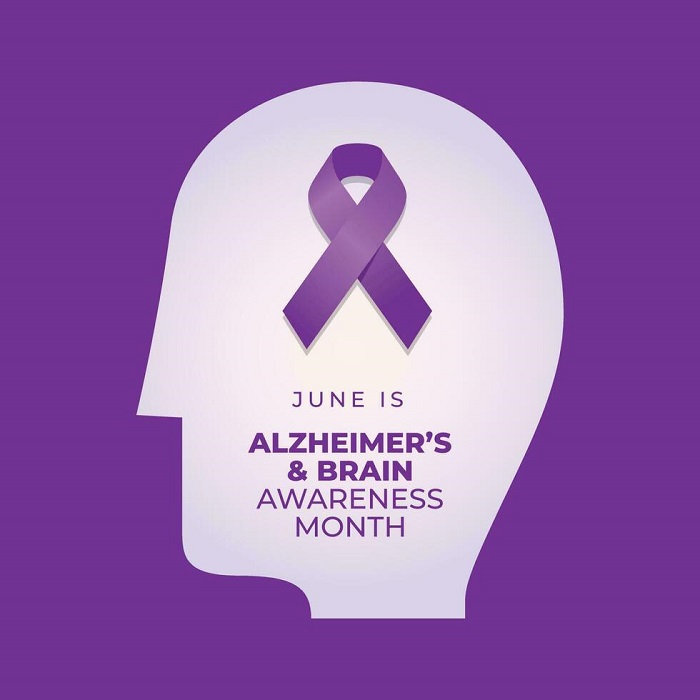
June is Alzheimer’s & Brain Awareness Month. It is time to increase awareness about Alzheimer’s disease and other types of dementia affecting brain health. Take part in this global movement to spread knowledge and show solidarity with individuals affected by this disease.

- Alzheimer’s & Brain Awareness Month 2026: The Updated Statistics That Should Shock Us All
- Alzheimer’s Disease and Down Syndrome: A Critical Link Every Special Needs Parent Must Understand
- Why Down Syndrome Increases Alzheimer’s Risk
- Why Diagnosis Is Harder in People with Down Syndrome
- Where to Get Help
- Alzheimer’s Disease and Intellectual Disability: The Double Challenge Caregivers Face
- Managing Aggressive and Violent Behaviour in Dementia: A Practical Guide
- Caregiver Burnout in Alzheimer’s: The Hidden Epidemic of 2026
- The 2026 Brain Health Paradox: 99% Care, Only 9% Know How
- 10 Evidence-Based Brain Health Habits: What the Research Actually Supports
- Alzheimer’s Myths vs Facts: Clearing Up the Most Dangerous Misconceptions
- 2026 Research Breakthroughs: Real Reasons for Hope
- Why is Alzheimer’s & Brain Awareness Month Important?
- Early Detection and Diagnosis
- Promotes Understanding and Education to Others
- Boost Brain Health
- Helps in Fundraising for Research
- Brings Communities Together
- How Can I Participate in Alzheimer’s & Brain Awareness Month?
- Alzheimer’s & Brain Awareness FAQs
- What is the Longest Day Event?
- How to Find Resources and Support for My Loved One Affected with Alzheimer’s?
- What is Alzheimer’s Disease?
- What Are the Early Warning Signs of Alzheimer’s Disease?
- When is Alzheimer’s & Brain Awareness Month 2026?
- How many Americans have Alzheimer’s in 2026?
- Do people with Down syndrome get Alzheimer’s?
- What do you do when a dementia patient becomes violent?
- What are the 10 early signs of Alzheimer’s?
- What are the best brain health habits to prevent dementia?
- Conclusion
Alzheimer’s & Brain Awareness Month 2026: The Updated Statistics That Should Shock Us All
Alzheimer’s & Brain Awareness Month is observed every June. In 2026, it runs from Monday, 1 June through Tuesday, 30 June. The campaign is led by the Alzheimer’s Association and uses purple — the official colour of the movement — to unite people worldwide in the fight against Alzheimer’s disease and other dementias.
Here is the most important thing to update immediately: the 2026 Alzheimer’s Disease Facts and Figures Report was released on 21 April 2026, and the numbers are more urgent than ever.
| 2026 Statistic | Figure | Change from Previous Year |
|---|---|---|
| Americans living with Alzheimer’s | 7.4 million | Increase from 6.9 million |
| Projected US cases by 2060 | 13.8 million | Without medical breakthrough |
| Annual care costs (excl. unpaid care) | $409 billion | Up $25 billion from last year |
| Hours of unpaid care in 2025 | 19 billion hours | Provided by nearly 13 million family and friends |
| Value of unpaid caregiving | $446 billion | Not included in the $409 billion care costs |
| Lifetime care cost per person with dementia | $405,262 | 70% borne by family caregivers |
| Global people with Alzheimer’s or dementia | 55+ million | Every 3 seconds, one new person develops dementia |
(Source: Alzheimer’s Association — 2026 Alzheimer’s Disease Facts and Figures) (Source: NIH/PMC — 2026 Alzheimer’s Disease Facts and Figures)
Furthermore, an estimated 7.4 million Americans age 65 and older are living with Alzheimer’s in 2026. Seventy-four percent are age 75 or older. About 1 in 9 people age 65 and older — 11% — has Alzheimer’s. (Source: Alzheimer’s Association — 2026 Facts and Figures)
The 2026 report also reveals a brain health paradox that should concern every family: 99% of Americans value brain health equally or more than physical health, yet only 9% say they know a lot about ways to maintain brain health. This enormous awareness gap is precisely why Alzheimer’s & Brain Awareness Month exists — and why the content in this post matters. (Source: Alzheimer’s Association — 2026 Facts and Figures)
Alzheimer’s Disease and Down Syndrome: A Critical Link Every Special Needs Parent Must Understand
Having Down syndrome is a known, significant risk factor for Alzheimer’s disease. The 2026 Alzheimer’s Disease Facts and Figures Report specifically identifies people with trisomy 21 — the chromosomal condition that causes Down syndrome — as a distinct group requiring special consideration in Alzheimer’s staging and care. (Source: NIH/PMC — 2026 Alzheimer’s Facts and Figures)
Here is why this connection exists and what it means practically:
Why Down Syndrome Increases Alzheimer’s Risk
People with Down syndrome have three copies of chromosome 21 instead of two. Chromosome 21 carries the gene for amyloid precursor protein (APP) — the protein that produces the amyloid plaques that are a hallmark of Alzheimer’s disease. Having an extra copy of this gene means people with Down syndrome accumulate amyloid in the brain much earlier than the general population. (Source: NIH/PMC — 2026 Alzheimer’s Facts and Figures)
| Factor | General Population | People with Down Syndrome |
|---|---|---|
| Alzheimer’s risk by age 65 | ~11% | Significantly higher |
| Age when amyloid accumulation begins | 60s–70s typically | Often begins in 30s–40s |
| Dementia prevalence in DS adults over 40 | — | Research consistently shows much higher prevalence |
| Difficulty diagnosing | Can detect from cognitive changes | Intellectual disability that accompanies Down syndrome can make it difficult to identify cognitive change — decline in functional independence may be more helpful in identifying change |
(Source: NIH/PMC — 2026 Alzheimer’s Facts and Figures)
Why Diagnosis Is Harder in People with Down Syndrome
In individuals with trisomy 21, intellectual disability that accompanies the condition can make it difficult to identify cognitive change, and decline in functional independence may be more helpful in identifying change or assigning an initial stage. (Source: NIH/PMC — 2026 Alzheimer’s Facts and Figures)
In practical terms, this means that the standard signs of early Alzheimer’s — forgetting names, getting confused in familiar places, asking the same question repeatedly — may already overlap with the person’s baseline functioning in Down syndrome. Parents and carers need to look for change from that person’s own baseline, not from population averages.
Signs of possible early Alzheimer’s in a person with Down syndrome:
- Loss of previously mastered daily living skills (dressing, cooking simple meals, personal hygiene)
- Increased confusion in familiar environments or routines
- New seizure activity (seizures can appear for the first time in Alzheimer’s in DS)
- Personality or mood changes — new anxiety, withdrawal, or agitation
- Loss of language skills previously present
- Sleep pattern changes — waking in the night, sleeping during the day
Where to Get Help
The National Task Group on Intellectual Disabilities and Dementia Practices (NTG) is a free resource specifically for families and caregivers navigating dementia in adults with intellectual disabilities. They offer screening tools, caregiver support groups, and training — all free. (Source: NTG — ntg.org)
For more on Down syndrome specifically, see our complete guide: Famous People with Down Syndrome and our Down Syndrome page.
Alzheimer’s Disease and Intellectual Disability: The Double Challenge Caregivers Face
Beyond Down syndrome specifically, there is a broader and profoundly underserved population that your site is uniquely positioned to address: older adults with intellectual and developmental disabilities (IDDs) who develop dementia.
Although among adults with intellectual disability in general the risk for dementia is not abnormal, it is generally recognised that having Down syndrome is a significant risk factor for Alzheimer’s disease. One systematic review over an 11-year span verified a higher prevalence of dementia in persons with Down syndrome. (Source: NIH/PMC — Caregiving, Intellectual Disability, and Dementia)
What this means for families: a parent who has spent 40 years caring for a child with an intellectual disability may now also be managing early dementia in that same person as they age. And frequently, the same parent doing this caregiving is also ageing themselves.
There are at least 180,000 older adults with intellectual and developmental disabilities in the United States who have dementia — a significant and often overlooked group within the caregiving population. (Source: NIH/PMC — Caregiving, Intellectual Disability, and Dementia)
What the Research Recommends for This Group
Key recommendations from an NIH research summit specifically on intellectual disabilities and dementia include:
- Increase dementia screening for all older adults with IDDs — using adapted screening tools like the NTG-EDSD (Early Detection Screen for Dementia)
- Increase caregiver support specifically for those caring for adults with IDDs who have dementia — this group carries disproportionate burden
- Involve ID caregivers in dementia research — this population has historically been excluded from mainstream dementia studies
- Build dementia-capable services in intellectual disability service settings
(Source: NIH/PMC — Caregiving, Intellectual Disability, and Dementia)
Managing Aggressive and Violent Behaviour in Dementia: A Practical Guide
This section directly addresses your highest-volume dementia keyword cluster — “what to do with a violent dementia patient” (position 85), “aggressive behaviour and dementia” (position 95), and “how to deal with dementia patients who is aggressive” (position 96). Together these generate 11 impressions with zero content from you to answer them.
Aggression and agitation are among the most distressing and challenging dementia symptoms for caregivers to manage. They are also extremely common: research indicates that agitation and aggression affect up to 80% of people with Alzheimer’s disease at some point during the illness. (Source: NIH/National Institute on Aging)
Understanding why aggression happens is the first step toward managing it effectively.
Why People with Dementia Become Aggressive
Aggression in dementia is almost always a form of communication. When a person with dementia cannot express pain, fear, confusion, or an unmet need in words, behaviour becomes their language.
| Common Trigger | What May Be Happening |
|---|---|
| Physical pain or discomfort | Urinary tract infection (UTI), constipation, toothache, joint pain — very common and often undetected |
| Environmental overstimulation | Too much noise, too many people, unfamiliar surroundings — all genuinely overwhelming |
| Fear or confusion | Not recognising a carer, not understanding what is happening, paranoid thinking |
| Unmet needs | Hunger, thirst, needing the toilet, wanting comfort |
| Loss of control | Feeling infantilised, rushed, or not listened to |
| Medication side effects | Some medications cause agitation as a side effect |
(Source: NIH/National Institute on Aging)
What to Do in the Moment
When aggression occurs, these strategies are the most evidence-supported responses:
- Stay calm. Your tone of voice and body language communicate more than words. A raised voice or tense posture amplifies agitation. Speak slowly, quietly, and with a relaxed face.
- Do not argue or correct. Trying to reason with someone in the middle of an agitated episode is ineffective and escalates the situation. The brain in dementia cannot process logic in the way it used to.
- Step back physically. Giving more personal space reduces the sense of threat. Never physically restrain unless there is an immediate safety risk.
- Redirect attention. Offer a preferred activity, a familiar object, or a change of environment — “Let’s go to the garden” or “Here’s your favourite cup of tea.”
- Identify the trigger. Ask yourself: is the person in pain? Too hot? Scared? Hungry? Removing the trigger is more effective than managing the behaviour.
- Validate the emotion, not the content. “I can see you’re upset. That must be really hard.” This acknowledgement often de-escalates faster than any explanation.
(Source: NIH/National Institute on Aging)
When to Call for Help
Aggression that puts the person with dementia or the carer at genuine physical risk requires outside support. Call your doctor if:
- Aggression is increasing in frequency or severity
- The person appears to be in physical pain that cannot be identified or managed at home
- Medications may need to be reviewed or adjusted
- The carer’s safety is at risk
Never hesitate to call emergency services if there is immediate danger. Caregiver safety is not optional — it is the foundation of sustainable care.
Caregiver Burnout in Alzheimer’s: The Hidden Epidemic of 2026
June is Alzheimer’s & Brain Awareness Month — but for the nearly 13 million family members providing unpaid care, June feels less like an awareness month and more like another month of profound exhaustion.
Here is the caregiving reality that the 2026 facts and figures reveal:
In 2025, unpaid caregivers provided more than 19 billion hours of care valued at more than $446 billion. In 2026, health and long-term care costs for people living with Alzheimer’s and other dementias are projected to reach $409 billion — not including the value of unpaid caregiving. (Source: Alzheimer’s Association — 2026 Facts and Figures)
Broadly speaking, 100 million US adults function as caregivers. More narrowly, 53 million US adults care for a spouse, elderly parent, relative, or special-needs child — up from 43.5 million in 2015. (Source: NIH/PMC — Caregiving and Intellectual Disability)
For many readers of this site, the overlap is real: you may be caring for a child with special needs AND an ageing parent with Alzheimer’s at the same time. This dual caregiving burden is one of the least-discussed and most genuinely exhausting experiences in modern family life.
Signs of Caregiver Burnout to Watch For
| Sign | What It Looks Like |
|---|---|
| Emotional exhaustion | Feeling nothing — numbness rather than sadness |
| Physical exhaustion | Getting sick more often, sleeping badly even when you can sleep |
| Isolation | Withdrawing from friends, other family, and activities you used to enjoy |
| Resentment | Feeling anger toward the person you are caring for — and guilt about that anger |
| Neglecting your own health | Skipping your own medical appointments, medications, meals |
| Feeling hopeless | A sense that nothing you do makes a difference |
What Helps — Practical Caregiver Support Resources
- Alzheimer’s Association 24/7 Helpline: 1-800-272-3900 — staffed around the clock by specialists in dementia care. Free, confidential. (Source: Alzheimer’s Association)
- ALZConnected online community — free peer-to-peer support network for caregivers (Source: Alzheimer’s Association)
- Respite care — short-term relief care that allows caregivers to rest. Ask your doctor or local Area Agency on Aging about funding options
- Adult day programmes — structured daytime programmes provide meaningful activity for the person with dementia and relief hours for the caregiver
- Support groups — both in-person and online, caregiver support groups consistently reduce burnout, isolation, and depression (Source: NIA — Caregiver Support)
The 2026 Brain Health Paradox: 99% Care, Only 9% Know How
One of the most striking findings from the Alzheimer’s Association’s 2026 report is what researchers are calling the “brain health gap” — a massive disconnect between how much Americans value their brain health and how little they actually know about protecting it.
Nearly all adults ages 40 and older surveyed for the report — 99% — say maintaining brain health is at least as important as physical health. Yet only 9% say they know a lot about how to maintain it. More than two-thirds worry about their brain health and about developing Alzheimer’s disease or other types of dementia. (Source: Alzheimer’s Association — 2026 Facts and Figures)
Even more striking: only 14% report having a conversation about maintaining brain health with their doctor, and just 11% report discussing ways to reduce dementia risk. (Source: Alzheimer’s Association — 2026 Facts and Figures)
This is precisely the gap that Alzheimer’s & Brain Awareness Month is designed to close.
10 Evidence-Based Brain Health Habits: What the Research Actually Supports
Since the 2026 survey shows that 99% of Americans care about their brain health but only 9% know how to protect it — here is the practical guidance that closes that gap. These are not opinions. They are backed by the most current NIH and Alzheimer’s Association research.
| Habit | What the Evidence Shows |
|---|---|
| 1. Regular aerobic exercise | The single most evidence-supported modifiable risk factor. 150 minutes per week of moderate aerobic activity is associated with significantly reduced dementia risk. (Source: NIH/NIA) |
| 2. Managing cardiovascular risk factors | High blood pressure, high cholesterol, and diabetes in midlife all increase Alzheimer’s risk. Treating them reduces it. (Source: Alzheimer’s Association) |
| 3. Quality sleep (7–9 hours) | During sleep, the brain clears amyloid — the protein that builds up in Alzheimer’s. Chronic sleep deprivation is now recognised as a significant dementia risk factor. (Source: NIH/NIA) |
| 4. Social connection | Chronic loneliness and social isolation are associated with significantly higher dementia risk. Regular meaningful social interaction is protective. (Source: NIH/NIA) |
| 5. Mediterranean or MIND diet | A diet rich in vegetables, fish, olive oil, nuts, and berries is associated with slower cognitive decline. The MIND diet was specifically designed for brain health. (Source: NIH/NIA) |
| 6. Managing hearing loss | Untreated hearing loss is one of the most modifiable dementia risk factors. NIH-funded research confirmed that hearing aids reduce cognitive decline in at-risk adults. (Source: NIH/NIA) |
| 7. Not smoking | Smoking significantly increases Alzheimer’s risk. Quitting at any age reduces that risk. (Source: NIH/NIA) |
| 8. Limiting alcohol | Heavy alcohol use accelerates brain ageing. Moderate or no alcohol is associated with better brain health outcomes. (Source: NIH/NIA) |
| 9. Managing depression and mental health | Midlife depression is an independent risk factor for dementia. Treating depression protects the brain as well as mental health. (Source: Alzheimer’s Association) |
| 10. Lifelong learning and mental stimulation | Education and cognitive engagement are protective — though the effect appears strongest through formal education. Puzzles, new skills, and learning new languages all contribute. (Source: NIH/NIA) |
Additionally, two-thirds of Americans want brain health guidance from a health care provider, but only 14% have discussed maintaining brain health with their doctor. This Alzheimer’s & Brain Awareness Month 2026, make that conversation happen. Book an appointment and bring this list. (Source: Alzheimer’s Association — 2026 Facts and Figures)
Alzheimer’s Myths vs Facts: Clearing Up the Most Dangerous Misconceptions
Misinformation about Alzheimer’s disease prevents early diagnosis, delays treatment, and causes unnecessary fear. Here are the most important myths corrected with 2026 evidence:
| Myth | Fact |
|---|---|
| “Memory loss is a normal part of ageing.” | Mild forgetfulness is normal — but significant memory loss that interferes with daily life is not. Alzheimer’s is a disease, not an inevitable part of ageing. (Source: NIH/NIA) |
| “Only elderly people get Alzheimer’s.” | Early-onset Alzheimer’s affects people in their 40s and 50s. An estimated 5–6% of all Alzheimer’s cases are early-onset. (Source: Alzheimer’s Association) |
| “There is nothing you can do to reduce your risk.” | False. At least 40% of dementia cases are potentially attributable to modifiable risk factors including physical inactivity, hearing loss, smoking, and cardiovascular risk. (Source: NIH/NIA) |
| “People with Alzheimer’s don’t know what is happening to them.” | False — especially in early stages. Many people with early Alzheimer’s have clear awareness of their diagnosis and experience grief, fear, and loss. This awareness must be respected in care. (Source: NIH/NIA) |
| “Alzheimer’s is just a memory problem.” | False. Alzheimer’s affects judgement, language, spatial reasoning, personality, mood, and ultimately all bodily functions. Memory is typically affected first, but the disease is far broader. (Source: Alzheimer’s Association) |
| “Down syndrome and Alzheimer’s are unrelated.” | False. People with Down syndrome (trisomy 21) carry an extra copy of the amyloid precursor protein gene and have significantly elevated Alzheimer’s risk. The 2026 NIH facts and figures report specifically addresses this link. (Source: NIH/PMC) |
| “New drugs can cure Alzheimer’s.” | False currently. Several anti-amyloid medications (lecanemab, donanemab) have received FDA approval and can slow the pace of early Alzheimer’s progression — but no cure exists yet. (Source: NIH/NIA) |
2026 Research Breakthroughs: Real Reasons for Hope
Despite the sobering statistics, there are genuine reasons for optimism about Alzheimer’s research in 2026. Here is what is new and why it matters:
Anti-amyloid treatments reaching more patients: Two anti-amyloid therapies — lecanemab and donanemab — have received full FDA approval and are now in broader clinical use. Both have shown statistically significant slowing of cognitive decline in early Alzheimer’s in clinical trials. (Source: NIH/NIA — 2026 Research Progress)
Hearing aids and cognitive protection: A major NIH-funded clinical trial published findings confirming that a hearing aid intervention significantly slowed cognitive decline in older adults at risk for dementia — making hearing health one of the most actionable dementia prevention steps available. (Source: NIH/NIA — 2026 Research Budget)
New biomarker-based early detection: Blood-based biomarkers for Alzheimer’s disease are now entering clinical practice — meaning early detection through a simple blood test is becoming a reality. This could transform diagnosis, allowing treatment to begin years before symptoms appear. (Source: NIH/PMC — 2026 Alzheimer’s Facts and Figures)
Genetic research advancing: NIH-funded researchers have identified new genetic, behavioural, environmental, and lifestyle risk and protective factors associated with dementia — each discovery a potential target for future prevention or treatment. (Source: NIH/NIA)
The 2026 Dementia Care and Caregiving Research Summit, held in March 2026, brought together the world’s leading researchers to identify gaps and accelerate progress — its findings are shaping the next wave of NIH-funded research. (Source: NIA — 2026 Dementia Care Summit)
Why is Alzheimer’s & Brain Awareness Month Important?
This month plays an essential role for the following reasons:
Early Detection and Diagnosis
This month promotes early detection and intervention by increasing awareness of the early symptoms of Alzheimer’s disease. It further helps in managing it in a better way.
Promotes Understanding and Education to Others
The first step towards promoting support to affected people is understanding the disease. It also educates people about Alzheimer’s disease and how it affects people and their families.
Boost Brain Health
This month focuses on how brain health is crucial while motivating the public to adopt a healthy lifestyle. It ultimately minimizes the risk of cognitive issues.
Helps in Fundraising for Research
Organizing awareness campaigns usually includes fundraising for research into the disease. This creates more advanced treatments and finally helps in finding the cure.

Brings Communities Together
Alzheimer’s and Brain Awareness Month shows solidarity with individuals effective with Alzheimer’s and their caregivers by bringing together different communities. This helps them to share their stories, connect with others, and provide necessary support.
How Can I Participate in Alzheimer’s & Brain Awareness Month?
Use the following tips to get involved:
Wear Purple
Don the official Alzheimer’s awareness color to show solidarity with affected people. Whether it’s a purple ribbon, shirt, or accessory, every little support makes a big difference.
Organize Fundraising Activities
Organize Fundraising activities to show care for needy individuals. Remember, every contribution counts a lot.
Volunteer
Spend your spare time at Alzheimer’s care facilities or associations near you. You can help them with handling patients and administrative tasks.
Take Part in the Longest Day
Join the longest-day event on 21 June by honoring people affected by Alzheimer’s. Read here to know The Longest Day event — what it is and how to participate.
Share Your Knowledge
Another way to participate in Alzheimer’s and Brain Awareness Month is by spreading awareness using blogging, social media, or community events.
Alzheimer’s & Brain Awareness FAQs
What is the Longest Day Event?
The longest day event is organized on 21 June. Individuals worldwide take part in activities they love to increase awareness and funds for Alzheimer’s support, care, and research.
How to Find Resources and Support for My Loved One Affected with Alzheimer’s?
You will find tons of resources such as support groups, educational materials and 24/7 helpline on the Alzheimer’s Association and other same organizations.
What is Alzheimer’s Disease?
Alzheimer’s disease is a progressive neurological disorder that washes away memory slowly and declines cognitive health.
In short, we can say it’s a silent epidemic that is not only affecting old age people but young ones also.
What Are the Early Warning Signs of Alzheimer’s Disease?
If you or your dear one is experiencing the following symptoms, speak to the doctor near you immediately.
- Confusion with place or time.
- Memory loss that disturbs everyday life.
- Difficulty in finishing familiar tasks.
- Changes in personality and mood.
- Challenges in solving or planning issues.
When is Alzheimer’s & Brain Awareness Month 2026?
Alzheimer’s & Brain Awareness Month is observed globally throughout the entire month of June to raise awareness and challenge the stigma surrounding dementia.
How many Americans have Alzheimer’s in 2026?
An estimated 7.4 million Americans aged 65 and older are living with clinical Alzheimer’s dementia.
Do people with Down syndrome get Alzheimer’s?
Yes; individuals with Down syndrome carry an extra copy of chromosome 21, which contains the gene that produces amyloid precursor protein, greatly increasing their genetic risk of developing Alzheimer’s as they age.
What do you do when a dementia patient becomes violent?
Stay calm, give them physical space, validate their feelings without arguing, and try to identify and redirect them away from the immediate environmental trigger or discomfort causing the distress.
What are the 10 early signs of Alzheimer’s?
Key signs include disruptive memory loss, difficulty planning or solving problems, confusion with time or place, trouble understanding visual images, new language struggles, and changes in mood or personality.
What are the best brain health habits to prevent dementia?
Promising preventative habits include regular cardiovascular exercise, prioritizing a nutrient-dense plant-based diet, avoiding smoking, managing chronic conditions like hypertension, and staying socially and cognitively active.
Conclusion
Although there is no guaranteed method to prevent Alzheimer’s, few lifestyle changes can help in minimizing the risk. These include adopting a healthy diet, physical activity, social engagement, and cognitive stimulation.
Alzheimer’s and brain awareness month plays a crucial role in bringing attention to this epidemic that affects millions. As we navigate through June, let us carry hope, awareness, and action.
It will ultimately create a world free of Alzheimer’s disease and improved brain health. Wear purple, share stories, volunteer, donate, and know more about Alzheimer’s. Remember, it’s never too late or early to start taking care of the brain.


Pingback: Shine a Light on The Longest Day Alzheimers Awareness this 21 June - HopeforSpecial
Pingback: 5 Ayurvedic Remedies for Short Term Memory Loss - HopeforSpecial
Pingback: 10 Tips to Cure Memory Issues in Kids and Teens Fast - HopeforSpecial