
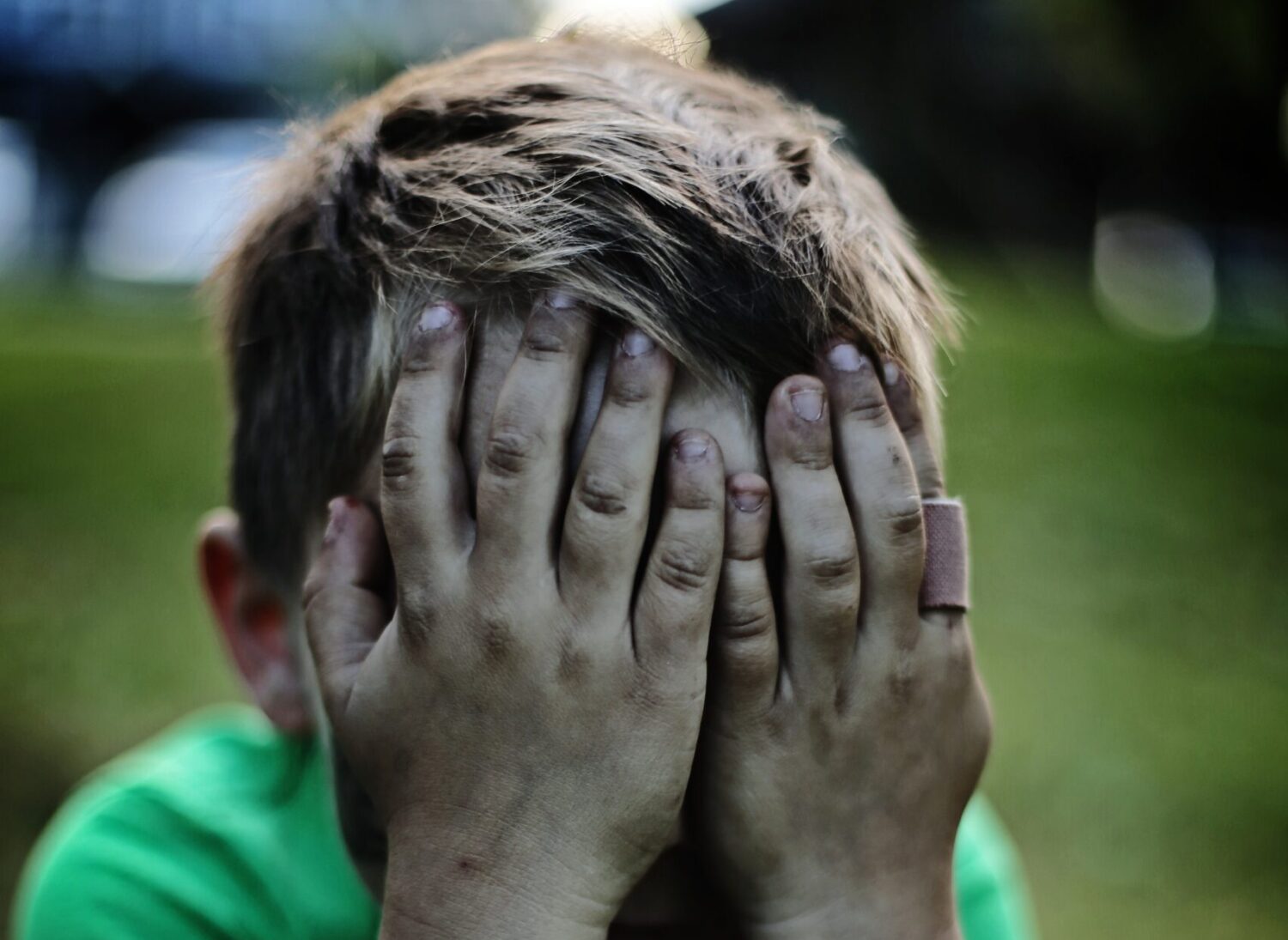

Depression Education and Awareness Month 2026 (October): Breaking the Silence on Mental Health
Depression Education and Awareness Month is observed every October to shed light on one of the most prevalent mental health conditions globally—depression. This month is dedicated to raising awareness, reducing stigma, and encouraging individuals to seek screening and support for depression and related disorders.
- Why Depression Education and Awareness Month Matters
- 🗓️ Depression Education and Awareness Month 2026 — Key Dates and Events
- 📊 Updated Depression Statistics 2025–2026 — Verified Data
- When Is Depression Awareness Month Observed?
- Key Symptoms of Depression
- Types of Depression to Know About
- 1. Major Depressive Disorder
- 2. Persistent Depressive Disorder (Dysthymia)
- 3. Seasonal Affective Disorder (SAD)
- 4. Postpartum Depression
- 5. Bipolar Depression
- Seasonal Affective Disorder Awareness Month
- Postpartum Depression Awareness Month
- Depression Screening and Diagnosis
- How to Support Depression and Mental Health Awareness Month
- Depression Prevention Month: Can We Prevent Depression?
- Trusted Resources for Help
- 🧠 Depression in Children with Special Needs — The 2026 Research That Changes Everything
- 💛 Depression in Parents of Special Needs Children — The Hidden Crisis Nobody Discusses
- ⚠️ Warning Signs of Depression in Non-Verbal Children — A Parent’s Complete Checklist
- 🔴 Physical and Behavioural Warning Signs
- 🟡 Signs Specific to Children with Autism
- 🟠 Signs in Older Children with Limited Communication
- 🔔 DMDD — The Childhood Condition Often Mistaken for Behaviour Problems
- 💬 How to Talk About Depression with a Child Who Has Autism or Intellectual Disability
- 🏫 School Mental Health Plans — IEP Goals and Accommodations for Children with Depression
- Does Depression Qualify for School Support?
- Sample IEP Mental Health Goals for a Child with Depression
- Accommodations to Request for a Child with Depression
- 🗓️ National Depression Screening Day 2026 — October 9
- 🇮🇳 Depression in India — The Treatment Gap and How to Access Help
- Voice Search
- What is Depression Education and Awareness Month?
- Is October Depression Awareness Month?
- Is there a national depression screening day?
- What is Seasonal Affective Disorder Awareness Month?
- What is Postpartum Depression Awareness Month?
- Are depression screenings effective?
- Why is it important to talk about depression?
- ❓ FAQs — Depression Education and Awareness Month 2026
- Q1: When is Depression Education and Awareness Month 2026?
- Q2: When is National Depression Screening Day 2026?
- Q3: Are children with autism or Down Syndrome more likely to experience depression?
- Q4: Are parents of special needs children more likely to be depressed?
- Q5: What are the warning signs of depression in a non-verbal child?
- Q6: What is the green ribbon for depression awareness?
- Q7: Is depression awareness month the same as mental health awareness month?
- Q8: How can I talk to my child with autism about depression?
- Q9: Where can families in India get help for depression?
- Q10: What is the difference between sadness and depression?
- Final Thoughts: Why This Month Matters
Why Depression Education and Awareness Month Matters
Depression is more than just sadness. It’s a complex mental health condition that affects mood, behavior, and physical health. With millions impacted worldwide, Depression Education and Awareness Month provides a critical platform to educate, support, and advocate for mental wellness.

Core Objectives of This Awareness Month
- Promote early screening and diagnosis
- Destigmatize mental illness
- Educate about types of depression (e.g., postpartum, seasonal, clinical)
- Encourage open conversations about emotional well-being
- Provide resources for treatment and support
💛 If you are struggling right now, please reach out: US: Call or text 988 | India: KIRAN: 1800-599-0019 (free, 24/7) | iCall: 9152987821 You deserve support. You are not alone. Recovery is possible.
🗓️ Depression Education and Awareness Month 2026 — Key Dates and Events
Depression Education and Awareness Month 2026 runs from Thursday, October 1 through Saturday, October 31, 2026. October 1, 2026 to October 31, 2026 marks National Depression Education and Awareness Month — an opportunity to illuminate a serious mental health condition that lurks silently in the shadows for too many. (Source: AMDIS Rights)
October is one of the richest months in the mental health awareness calendar. Understanding every key date helps you make the most of it — whether you are an individual, a parent, a caregiver, or an educator.
Key Dates Within October 2026
| Date | Observance | Who It Focuses On |
|---|---|---|
| October 1 | Depression Education and Awareness Month begins | All people affected by depression |
| First week of October | Mental Illness Awareness Week (MIAW) — led by NAMI | All mental health conditions; public education |
| October 9, 2026 (Thursday) | National Depression Screening Day | Anyone who wants a free, confidential depression screening |
| October 10, 2026 | World Mental Health Day — WHO | Global mental health awareness |
| All of October | National Mental Health Screening Month | Encouraging proactive mental health check-ups |
| All of October | Postpartum Depression Awareness Month (also observed) | New and expectant mothers |
| All of October | Seasonal Affective Disorder Awareness Month (also observed) | People affected by seasonal changes |
| October 31 | Depression Education and Awareness Month ends | — |
Awareness Symbols for Depression Education and Awareness Month
- 🎗️ Colours: Green and silver — green represents mental health broadly; silver specifically honours depression awareness
- 🌟 SAMHSA 2026 campaign theme: “See The Person” — a call to look beyond the diagnosis and see the full humanity of every person living with a mental health condition (Source: SAMHSA)
For special needs parents looking for mental health tips, read here.
📊 Updated Depression Statistics 2025–2026 — Verified Data
| Statistic | Data | Source |
|---|---|---|
| People living with depression globally | 280 million | WHO Mental Health Fact Sheet |
| American adults affected by depression annually | Depression impacts over 21 million American adults annually — making it the leading cause of disability among people ages 15–44 | WBMA / NAMI, 2026 |
| Americans who will experience clinical depression in their lifetime | Roughly 1 in 6 Americans will contend with the debilitating effects of clinical depression during their lifetime | AMDIS Rights |
| US youth (ages 12–17) with a major depressive episode (2024) | 16.4% of youth ages 12–17 reported at least one major depressive episode in 2024 — a marked increase since 2022 | Mental Health America, 2025 / LifeStance |
| Youth who seriously considered suicide (2024) | 13% of youth ages 12–17 indicated they seriously considered suicide — a marked increase since 2022 | Mental Health America, 2025 / LifeStance |
| Parents of children with IDD who have clinical depression | Approximately 31% of parents of children with intellectual and developmental disabilities reach the clinical cut-off score for moderate depression — compared with just 7% of parents of children without IDD | PLOS ONE Meta-Analysis / NCBI |
| Adults with IDD vs general population — depression rates | Adults with intellectual and developmental disabilities, such as autism and Down syndrome, experience substantially higher rates of anxiety and depression than the general population | JAMA Network Open, 2026 |
| India mental health treatment gap | India faces an 85% mental health treatment gap due to workforce shortages — confirmed at ANCIPS 2026 | Insights on India, Feb 2026 |
| Economic burden of depression annually (US) | $210.5 billion per year | CDC Mental Health |
| Depression as leading cause of disability globally (ages 15–44) | Depression is the leading cause of disability worldwide in this age group | WHO |
When Is Depression Awareness Month Observed?
October is recognized as Depression Education and Awareness Month and also as National Depression and Mental Health Screening Month in the United States.
Additional related observances include:
- Seasonal Depression Awareness Month (focus on Seasonal Affective Disorder)
- Postpartum Depression Awareness Month
- Anxiety and Depression Awareness Month
- National Maternal Depression Month
Key Symptoms of Depression
Recognizing depression is the first step toward recovery. Here are common symptoms:
- Persistent sadness or emptiness
- Fatigue or loss of energy
- Lack of interest in activities
- Sleep disturbances
- Changes in appetite or weight
- Difficulty concentrating
- Thoughts of death or suicide
If you or someone you know is experiencing suicidal thoughts, please reach out to the National Suicide Prevention Lifeline at 988 or visit 988lifeline.org.
Types of Depression to Know About
1. Major Depressive Disorder
Long-lasting symptoms that affect daily functioning.
2. Persistent Depressive Disorder (Dysthymia)
Chronic depression lasting more than two years.
3. Seasonal Affective Disorder (SAD)
Occurs during seasonal changes, especially in fall/winter.
4. Postpartum Depression
Affects new mothers post childbirth, often severe and long-lasting.
5. Bipolar Depression
Occurs in people with bipolar disorder during depressive episodes.
Seasonal Affective Disorder Awareness Month
Seasonal Depression Awareness Month, also observed in October, focuses on SAD, a type of depression related to seasonal light changes. People in colder climates are most at risk.
SAD symptoms include:
- Oversleeping
- Carb cravings and weight gain
- Low energy
- Irritability
Light therapy, vitamin D, and cognitive behavioral therapy (CBT) are common treatment methods.
Postpartum Depression Awareness Month
Postpartum Depression Awareness Month spotlights emotional health in mothers post-delivery. According to the CDC, 1 in 8 women experience postpartum depression.
Symptoms include:
- Crying spells
- Difficulty bonding with baby
- Severe mood swings
- Withdrawal from family and friends
Learn more at Postpartum Support International.
Depression Screening and Diagnosis
October is also known as National Depression Screening Month. Screening tools help identify people at risk of depression, often before symptoms become severe.
Common Screening Tools:
- PHQ-9 (Patient Health Questionnaire)
- Beck Depression Inventory
- CES-D (Center for Epidemiologic Studies Depression Scale)
Get free, anonymous screening at Mental Health America
How to Support Depression and Mental Health Awareness Month
✔️ Host an awareness event
Partner with local health clinics or nonprofits to offer free screenings or workshops.
✔️ Share personal stories
Use social media to break stigma and share resources.
✔️ Wear a ribbon
The green or silver ribbon is associated with depression awareness.
✔️ Educate others
Talk about signs, symptoms, and support options.
Depression Prevention Month: Can We Prevent Depression?
While not all depression is preventable, these strategies may help:
- Exercise regularly – boosts endorphins
- Establish a sleep routine
- Seek early help for anxiety or mood changes
Trusted Resources for Help
- Mental Health America
- National Alliance on Mental Illness (NAMI)
- Depression and Bipolar Support Alliance (DBSA)
- Substance Abuse and Mental Health Services Administration (SAMHSA)
🧠 Depression in Children with Special Needs — The 2026 Research That Changes Everything
A landmark study published in JAMA Network Open in February 2026 — the largest of its kind ever conducted — confirmed what many special needs parents have long suspected but rarely heard acknowledged.
Adults with intellectual and developmental disabilities, such as autism and Down syndrome, experience substantially higher rates of anxiety and depression than the general population. The study, based on data from 44,000 adults, provides the first national estimates of mental health symptom prevalence, health care treatment, and access barriers facing this population.
“Our findings paint a distressing picture of the mental health and health care for people with these disabilities in the United States,” said senior author Dr. Dimitri Christakis, a professor of pediatrics at the University of Washington School of Medicine.
“Historically, society has not taken the needs of this population as seriously as it should, so in that respect, our findings aren’t surprising. But the scale of burden is shocking.” (Source: JAMA Network Open via Medical Xpress, 2026)
This is not a minor finding. This is the largest dataset ever used to study mental health in the disability community — and it confirms elevated depression risk in the very population that HopeForSpecial serves.
Depression Rates Across Special Needs Conditions
| Condition | Depression Connection | Key Finding |
|---|---|---|
| Autism Spectrum Disorder | Significantly elevated depression risk | 24% of mothers of children with ASD screened positive for depression — compared to 0% of mothers of children with typical development (CHOP PolicyLab) |
| Down Syndrome (Trisomy 21) | Elevated risk in both children and parents | 12% of mothers of children with Down syndrome screened positive for depression — compared to 0% in typically developing children (CHOP PolicyLab) |
| Cerebral Palsy | Strong association with depression | Meta-analysis shows elevated depression in both parents of CP children and CP individuals themselves (PLOS ONE) |
| Intellectual Disability | Dramatically elevated risk | Adults with IDD experience substantially higher rates of anxiety and depression than the general population (JAMA Network Open, 2026) |
| Children broadly with IDD | Youth depression rates rising | 16.4% of youth ages 12–17 reported at least one major depressive episode in 2024 (Mental Health America, 2025) |
Why Depression Is Missed in Special Needs Children
The most dangerous pattern in this population is one we have seen in other sections of this site: diagnostic overshadowing. When a child already has a diagnosis — autism, Down Syndrome, cerebral palsy — their depression symptoms are frequently attributed to their primary condition rather than recognised as a separate, treatable mental health issue.
A child with autism who becomes more withdrawn, stops eating, and loses interest in their favourite activities may be told “that’s just part of autism.” But it may be depression. And the two require different responses.
What parents should do: At every paediatric or specialist appointment, explicitly ask: “Has my child been screened for depression as a separate condition from their primary diagnosis?” Do not assume it has been done. (Source: StatPearls / NCBI, 2026)
💛 Depression in Parents of Special Needs Children — The Hidden Crisis Nobody Discusses
This section is for you — the parent, the caregiver, the person reading this at 2am while the rest of the house sleeps. The one who puts everyone else first and rarely, if ever, gets asked how they are doing.
The research on this topic is both clear and deeply underreported in any public-facing content. And it deserves to be named plainly.
Approximately one third — 31% — of parents of children with intellectual and developmental disabilities reach the clinical cut-off score for moderate depression, compared with just 7% of parents of children without IDD. Four out of five studies found higher levels of depression in mothers specifically, compared with fathers. (Source: PLOS ONE / NCBI)
In plain terms: being the primary caregiver of a child with special needs more than quadruples your risk of clinical depression. And if you are a mother, your risk is even higher than that.
Why Special Needs Parents Are So Vulnerable
Factors associated with higher levels of depression in parents of children with IDD include disability severity and lower household income. Stressors include high caregiver demands, stigma, and financial strain. (Source: PLOS ONE / NCBI) Additionally:
- Chronic sleep deprivation — children with special needs frequently have sleep challenges that last years, not weeks
- Grief cycles — the recurring grief that comes with each milestone your child doesn’t reach and each comparison to other children
- The advocacy load — IEP meetings, medical appointments, insurance battles, school negotiations
- No one asking “how are YOU doing?” — the entire system focuses on the child, and the caregiver becomes invisible
The Barriers to Getting Help
Many special needs parents do not seek support for their own depression for reasons that are entirely understandable but deeply harmful:
- “I don’t have time. My child needs me.”
- “I can’t leave to go to therapy. There’s no one to cover.”
- “If I admit I’m struggling, will someone think I can’t cope with my child?”
- “My depression isn’t as important as my child’s needs.”
These thoughts are common. They are also wrong. And they are dangerous.
Your mental health is not separate from your child’s wellbeing — it is directly connected to it. A parent who is depressed is less able to engage, respond, and provide the attuned caregiving that special needs children especially need. Seeking support is not a selfish act. It is one of the most loving things you can do for your child.
💬 One Parent’s Honest Account
“For three years I was functioning on four hours of sleep, fighting the school system, managing my son’s meltdowns, and attending to every need except my own. I told myself I wasn’t allowed to be depressed because my son needed me to be strong. By year four, I couldn’t get out of bed some mornings. My own depression had become as disabling as I’d feared. The counsellor I eventually saw said to me: ‘You didn’t need to earn permission to be struggling.’ I needed someone to tell me that. I’m telling you now.” — Amrita S., mother of a child with autism and ADHD, Delhi, India
If this resonates with you, please reach out today. Not after the next appointment. Not after the school term ends. Today.
India: KIRAN: 1800-599-0019 (free, 24/7, 13 languages) | iCall: 9152987821 US: 988 Lifeline (call or text) | Global: befrienders.org
⚠️ Warning Signs of Depression in Non-Verbal Children — A Parent’s Complete Checklist
For children who are non-verbal, minimally verbal, or who communicate differently due to autism, intellectual disability, or other special needs, depression cannot always be identified through the classic “persistent sadness” framework. Your child cannot tell you “I feel empty inside.” But their body and behaviour will tell you — if you know what to look for.
🔴 Physical and Behavioural Warning Signs
- ✅ Sudden withdrawal from activities, sensory experiences, or people they previously engaged with enthusiastically
- ✅ Significant change in appetite — eating far less or far more than their normal pattern, beyond food preferences or sensory aversions
- ✅ Increased self-injurious behaviour — new or escalating head-banging, scratching, biting — not all SIB is depression, but a sudden increase warrants mental health evaluation
- ✅ Loss of previously enjoyed activities — a child who loved a certain toy, routine, or activity and has suddenly stopped engaging
- ✅ Increased crying or distress without obvious trigger — especially if this is new or has intensified
- ✅ Visible slowing of movement and response — taking longer to respond, moving more slowly, less spontaneous motion
- ✅ Facial expressions becoming flatter — reduced range of emotional expression compared to the child’s own baseline
🟡 Signs Specific to Children with Autism
- ✅ Regression in previously acquired skills — losing words, toilet skills, or self-care skills that were established
- ✅ Increase in stimming that appears distressed rather than self-regulatory — rocking, flapping, or repetitive movements that look different from the child’s baseline
- ✅ Refusal to engage in preferred sensory activities — a child who loved the swing or the trampoline and has stopped wanting to use them
🟠 Signs in Older Children with Limited Communication
- ✅ Statements like “I don’t want to” becoming pervasive — applied to nearly everything, not just difficult tasks
- ✅ Drawing or creating themes of darkness, death, or emptiness — take this seriously
- ✅ Increased aggression toward family members — sometimes an expression of internal pain that cannot be named
If you observe a cluster of these signs — particularly if they represent a change from your child’s normal pattern — speak to their paediatrician and ask specifically for a referral to a child psychiatrist or psychologist experienced with your child’s condition. Be explicit: “I believe my child may be experiencing depression as a separate condition from their primary diagnosis.” (Source: StatPearls / NCBI)
🔔 DMDD — The Childhood Condition Often Mistaken for Behaviour Problems
Disruptive Mood Dysregulation Disorder (DMDD) is a childhood depression diagnosis that presents very differently from adult depression. Instead of sadness and withdrawal, children with DMDD show:
- Severe, recurrent temper outbursts — verbal or behavioural — that are grossly out of proportion to the situation
- Persistent irritable or angry mood between outbursts — most of the day, nearly every day
- These patterns must be present for at least 12 months and in more than one setting
DMDD is a depressive condition listed in the DSM-5. Yet children who have it — especially children with special needs — are frequently told they have “behaviour problems,” “oppositional defiance,” or that their outbursts are “part of their autism” or “part of their Down Syndrome.”
This misidentification matters enormously because DMDD requires specific mental health treatment — and the behavioural approaches used for conduct or behaviour disorders can make it worse.
If your child has frequent, severe meltdowns that seem disproportionate, combined with persistent baseline irritability, ask your child’s paediatrician or psychiatrist specifically about DMDD as part of the evaluation. (Source: NCBI StatPearls)
💬 How to Talk About Depression with a Child Who Has Autism or Intellectual Disability
This is one of the most searched but least answered questions in the special needs mental health space. And it is where HopeForSpecial can offer genuinely unique value.
Talking about mental health with a neurotypical child is already challenging. Doing it with a child who processes language literally, has difficulty with abstract concepts, or communicates non-verbally requires a different approach entirely.
General Principles
- Use concrete, literal language. Avoid metaphors. Instead of “feeling blue” or “having a heavy heart,” say “your brain is making you feel very sad and very tired for a long time.”
- Keep explanations short. A child with intellectual disability may need one sentence, not a paragraph. Let them absorb it before adding more.
- Use visual aids. Emotion cards, simple drawings, or a “feelings thermometer” showing a scale from happy to very sad can help a child identify and communicate their experience.
- Normalise asking for help. “When our brain feels this way, we go and talk to a special helper — a doctor for feelings. That is a very brave and clever thing to do.”
For Different Communication Levels
| Child’s Communication Style | What Helps Most |
|---|---|
| Non-verbal / uses AAC | Program depression-related feelings vocabulary into their device — “I feel empty,” “I don’t want to do anything,” “I feel sad every day” |
| Limited verbal / concrete thinker | Emotion photos, simple social stories, one-sentence explanations at a time |
| Verbal but literal | Avoid all metaphors; use precise language; explain the concept of “brain chemistry” in simple scientific terms |
| Verbal with good comprehension | Use age-appropriate books about mental health; invite questions; validate every feeling they name |
Books That Help
- Wemberly Worried (young children) — explores anxiety and worry
- The Invisible String — connection during difficult times
- In My Heart — explores a range of emotions with child-friendly language
- A Little Spot of Sadness — specifically about sadness and how it passes
🏫 School Mental Health Plans — IEP Goals and Accommodations for Children with Depression
This section is completely absent from every competitor awareness post — and it is where HopeForSpecial adds irreplaceable practical value.
When a child’s depression is affecting their ability to access education, they have legal rights to support. In the US, depression can qualify a child for a 504 Plan or for an IEP mental health addendum. In India, the Rights of Persons with Disabilities Act (2016) provides protections that apply to mental health conditions including depression.
Does Depression Qualify for School Support?
Yes. Depression qualifies as a health impairment under IDEA (if it substantially limits learning) and under Section 504 (if it substantially limits any major life activity, including attending school and concentrating).
Sample IEP Mental Health Goals for a Child with Depression
- “Student will use a provided coping strategy (breathing tool, emotion card, sensory break) when experiencing escalating sadness, reducing classroom exits due to distress from X per week to Y per week”
- “Student will identify and communicate one feeling daily using their AAC device or visual system”
- “Student will attend school a minimum of X days per month, with homebound instruction provided during depressive episodes lasting more than 3 days”
Accommodations to Request for a Child with Depression
Attendance and flexibility:
- [ ] Flexible arrival time on difficult days — without truancy consequence
- [ ] Homebound instruction plan for extended depressive episodes
- [ ] Make-up work policy that accommodates mental health absences
In-classroom support:
- [ ] Preferential seating — near the door; near a trusted adult
- [ ] Permission to visit the school counsellor without prior request
- [ ] Reduced homework load during active depressive episodes
- [ ] Extended time on all assessments
Social-emotional:
- [ ] Access to a designated quiet space for emotional regulation
- [ ] Regular check-ins with the school psychologist or counsellor
- [ ] Staff training: how depression looks in a child with this child’s specific diagnosis
- [ ] Anti-bullying protection — depression can increase vulnerability to peer cruelty
🗓️ National Depression Screening Day 2026 — October 9
National Depression Screening Day 2026 is on Thursday, October 9, 2026. October 10 is specifically designated as National Depression Screening Day and World Mental Health Day. (Source: WBMA) This is the most important single day within Depression Education and Awareness Month for taking action.
Screening is the difference between depression that stays hidden for years and depression that gets treated. This national observance aims to educate the public about depression, reduce stigma surrounding mental health conditions, and connect individuals with appropriate treatment resources.
How to Get Screened — Free and Confidential Options
- Mental Health America’s free online screening: mhanational.org — completely anonymous, takes under 5 minutes, provides results and resource links immediately
- PHQ-9 screening tool: Available free from your GP, paediatrician, or any mental health clinic — the most widely validated depression screening tool in clinical practice
- SAMHSA’s National Helpline: 1-800-662-4357 — free, confidential, 24/7, in English and Spanish
- For parents who want to screen themselves: The Edinburgh Postnatal Depression Scale is commonly used but the PHQ-9 is appropriate for any parent
What Happens If the Screen Is Positive?
A positive screen does not mean you have depression — it means a fuller evaluation is recommended. It is the beginning of a conversation with a professional, not a diagnosis in itself. It is also not a reason to panic. Depression is one of the most treatable mental health conditions, with response rates to treatment above 70% in most studies. (Source: SAMHSA)
🇮🇳 Depression in India — The Treatment Gap and How to Access Help
India is in the middle of what experts are calling a quiet mental health crisis. The numbers confirm it. India faces an 85% mental health treatment gap due to workforce shortages — confirmed by experts at ANCIPS 2026. Pervasive stigma means mental health struggles are often viewed as personal weaknesses or bad behaviour rather than medical conditions. (Source: Insights on India, February 2026)
For families of children with special needs in India, this gap is compounded by the same barriers they face in accessing disability services: geographical distance from specialists, financial constraints, social stigma that affects the whole family, and a lack of professionals trained in the intersection of developmental disabilities and mental health.
What Parents in India Can Do Right Now
| Action | Details |
|---|---|
| Call KIRAN | 1800-599-0019 — free, 24/7, available in 13 languages including Hindi, Punjabi, Tamil, Telugu and more. For mental health crises, information, and referrals. |
| Contact iCall (TISS) | 9152987821 — professional counselling service run by the Tata Institute of Social Sciences; Mon–Sat 8am–10pm |
| Visit an Ayushman Bharat Health & Wellness Centre | Mental health screening is being integrated into primary care at these centres — ask specifically for a mental health assessment |
| Speak to your child’s specialist | At any appointment for your child’s primary condition, ask explicitly: “Can my child be screened for depression? Can I be screened as their caregiver?” |
| Access NIMHANS resources | The National Institute of Mental Health and Neuro Sciences (Bengaluru) offers resources, helplines, and outpatient services |
Reducing Stigma in Your Own Community
One of the most powerful things any parent can do during Depression Education and Awareness Month is to simply speak openly — in their family, in their WhatsApp groups, at the school gate. When one person says “I’m struggling and I’m getting help,” they give ten others permission to do the same.
Voice Search
What is Depression Education and Awareness Month?
Depression Education and Awareness Month is observed in October to raise awareness, reduce stigma, and promote screening and treatment for depression and related disorders.
Is October Depression Awareness Month?
Yes, October is recognized as Depression Awareness Month, and more specifically as National Depression and Mental Health Screening Month.
Is there a national depression screening day?
Yes, National Depression Screening Day is observed every Thursday of the first full week in October.
What is Seasonal Affective Disorder Awareness Month?
Also observed in October, Seasonal Affective Disorder Awareness Month focuses on depression caused by seasonal light changes, primarily in autumn and winter.
What is Postpartum Depression Awareness Month?
It’s a dedicated time to support new mothers experiencing emotional and psychological distress post-childbirth, commonly observed alongside Maternal Mental Health Awareness efforts.
Are depression screenings effective?
Yes. Screenings like PHQ-9 are clinically validated and help detect depression early. They’re often the first step toward recovery.
Why is it important to talk about depression?
Talking about depression helps reduce stigma, encourages early diagnosis, and provides emotional support for those silently suffering.
❓ FAQs — Depression Education and Awareness Month 2026
Q1: When is Depression Education and Awareness Month 2026?
October 1 to October 31, 2026 is National Depression Education and Awareness Month — observed annually throughout the entire month of October. (Source: AMDIS Rights)
Q2: When is National Depression Screening Day 2026?
National Depression Screening Day 2026 is on Thursday, October 9, 2026. Free, confidential screenings are available at mhanational.org and through GPs, community health clinics, and hospitals throughout October. (Source: National Today)
Q3: Are children with autism or Down Syndrome more likely to experience depression?
Yes — significantly. Adults with intellectual and developmental disabilities, such as autism and Down syndrome, experience substantially higher rates of anxiety and depression than the general population. The scale of burden is shocking. For children specifically, depression is frequently missed due to diagnostic overshadowing — symptoms being attributed to the primary condition. (Source: JAMA Network Open, 2026)
Q4: Are parents of special needs children more likely to be depressed?
Yes — research confirms this clearly. Approximately 31% of parents of children with intellectual and developmental disabilities reach the clinical cut-off score for moderate depression — compared with just 7% of parents of children without IDD. Factors including high caregiver demands, financial strain, and stigma all contribute. (Source: PLOS ONE / NCBI)
Q5: What are the warning signs of depression in a non-verbal child?
Look for sudden withdrawal from preferred activities, changes in appetite or sleep, increased self-injurious behaviour, loss of previously acquired skills, persistent irritability without obvious cause, and a flattening of emotional expression compared to the child’s baseline. Any cluster of these signs — especially as a change from normal — warrants an evaluation by a mental health professional experienced with your child’s condition.
Q6: What is the green ribbon for depression awareness?
The green ribbon is associated with mental health awareness broadly, including depression. The silver ribbon specifically represents depression awareness. During Depression Education and Awareness Month in October, wearing either colour shows solidarity with those affected.
Q7: Is depression awareness month the same as mental health awareness month?
No — these are different observances. Mental Health Awareness Month is observed in May in the US. Depression Education and Awareness Month is specifically in October, alongside World Mental Health Day (October 10) and National Depression Screening Day (October 9, 2026). Both are valuable; October is the specific time to focus on depression awareness and screening.
Q8: How can I talk to my child with autism about depression?
Use concrete, literal language — avoid metaphors like “feeling blue.” Keep explanations to one or two simple sentences. Use visual emotion aids or cards. For AAC users, add relevant vocabulary to their device. Normalise seeking help: “When our brain feels very sad for a long time, we visit a special helper. That is the brave, right thing to do.” Use social stories to prepare your child for any counselling or therapy appointments. (Source: SAMHSA — Helping Your Child)
Q9: Where can families in India get help for depression?
Contact KIRAN: 1800-599-0019 (free, 24/7, 13 languages) or iCall: 9152987821 (Mon–Sat, professional counselling). Visit your nearest Ayushman Bharat Health & Wellness Centre and ask specifically for a mental health assessment. In a crisis, any government hospital emergency department can provide immediate mental health support. India faces an 85% mental health treatment gap — advocacy for better access starts with families asking for and using the services that do exist. (Source: Insights on India, 2026)
Q10: What is the difference between sadness and depression?
Many equate feeling depressed with having clinical depression, but the two are not synonymous. Sadness is a normal human emotion that is typically temporary and linked to a specific cause. Clinical depression is a medical condition — persistent, pervasive, and affecting daily functioning across multiple domains including sleep, appetite, energy, and concentration — for two weeks or more. (Source: AMDIS Rights)
💛 Before you leave this page: If anything you have read today resonated with your own experience — as a parent, a caregiver, or as a person — please know that reaching out is an act of strength, not weakness. You deserve support just as much as the people you care for.
US: Call or text 988 (free, 24/7) | India: KIRAN 1800-599-0019 | iCall 9152987821 | Global: befrienders.org
Final Thoughts: Why This Month Matters
Depression Education and Awareness Month isn’t just about statistics or hashtags. It’s about lives. It’s about encouraging a culture where seeking help is strength—not weakness. With rising cases of depression across all age groups, this awareness month calls for action, empathy, and education.
Let’s use Depression Education and Awareness Month to learn, connect, and advocate for better mental health—this October and beyond.


