
Alopecia Awareness Month: Spreading Hope and Understanding in September
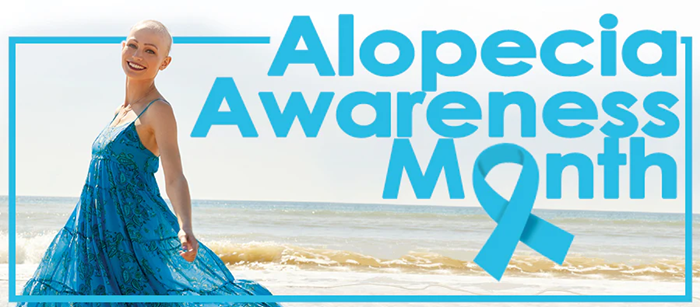
Every year, September is Alopecia Awareness Month, a time dedicated to raising awareness about alopecia and its different types, particularly alopecia areata. With millions affected by various forms of hair loss globally, National Alopecia Awareness Month plays a crucial role in educating the public, supporting patients, and promoting research for effective treatments.
- 🗓️ Alopecia Awareness Month 2026 — Key Dates, Events and How to Get Involved
- Why Alopecia Awareness Month Matters
- Alopecia Awareness Month Through the Years
- 🗓️ Alopecia Awareness Month 2026 — Key Dates, Events and How to Get Involved
- Key Dates and Events for Alopecia Awareness Month 2026
- How Alopecia Awareness Month Began
- Official Alopecia Awareness Symbols
- 📊 Alopecia Statistics 2025–2026: Updated Facts Every Parent Should Know
- 👶 Alopecia in Children — What Every Parent Must Know
- ⚠️ Warning Signs of Alopecia in Children — A Complete Parent’s Checklist
- 🔴 Physical Signs on the Scalp
- 🟡 Signs in Eyebrows, Eyelashes, and Body Hair
- 🟠 Signs in the Fingernails and Toenails
- 🔵 Behavioral Signs — Especially for Non-Verbal or Limited-Communication Children
- 🌟 Alopecia and Children with Special Needs
- 🛑 Alopecia and Bullying — What Every Parent and Teacher Must Know
- Types of Bullying Children with Alopecia May Experience
- Signs Your Child Is Being Bullied Because of Their Alopecia
- What to Do If Your Child Is Being Bullied
- 💊 Alopecia Treatment for Children in 2025–2026 — A Simple, Complete Guide
- Treatment Options by Severity
- The JAK Inhibitor Breakthrough — Explained Simply
- Important Note for Parents of Special Needs Children
- 🏫 Alopecia at School — IEP, 504, and Advocacy Guide for Special Needs Families
- Does Alopecia Qualify for a 504 Plan or IEP Accommodation?
- Accommodations to Request for a Child with Alopecia
- 💛 Emotional Support for Alopecia Families — You Are Not Alone
- What Research Tells Us About the Emotional Impact
- Practical Emotional Support Strategies
- 🔗 Support Resources for Alopecia Families
- How to Participate in Alopecia Awareness Month
- 1. Share Your Story: Post on social media with hashtags like #AlopeciaAwarenessMonth #AlopeciaAreataAwareness.
- 2. Donate or Fundraise: Support research via reputable foundations like the National Alopecia Areata Foundation (NAAF).
- 3. Wear the Alopecia Areata Awareness Ribbon: Blue ribbons can spark conversations and increase hair loss awareness.
- 4. Attend or Host Events: Join virtual meetups or local community walks.
- 5. Educate Others: Use Alopecia Awareness Month to share articles, videos, and expert advice on hair loss.
- Impactful Organisations You Can Support
- Real Voices: Living with Alopecia
- Voice Search About Alopecia Awareness Month
- ❓ FAQs — Alopecia Awareness Month
- Q1: What month is Alopecia Awareness Month?
- Q2: When is the Walk for Alopecia 2026?
- Q3: Can children get alopecia areata?
- Q4: Is alopecia more common in children with Down Syndrome?
- Q5: What is the best treatment for alopecia in children?
- Q6: Does alopecia areata cause permanent hair loss in children?
- Q7: How do I talk to my child’s school about alopecia?
- Q8: Is alopecia caused by stress?
- Q9: What is the alopecia awareness ribbon colour?
- Q10: Where can I find a support group for my child with alopecia?
- Final Thoughts
- 🗓️ Alopecia Awareness Month 2026 — Key Dates, Events and How to Get Involved
- Key Dates and Events for Alopecia Awareness Month 2026
- How Alopecia Awareness Month Began
- Official Alopecia Awareness Symbols
- Why Alopecia Awareness Month Matters
- Alopecia Awareness Month Through the Years
- 📊 Search Console Analysis — Based on Your Previous Upload
- 🔍 What Top Competitors Miss — Your Unique Edge
- 📋 Summary: New Sections to Add (In Recommended Order)
- ✍️ New Sections — Ready to Copy-Paste into WordPress
- 🗓️ Alopecia Awareness Month 2026 — Key Dates, Events and How to Get Involved
- Key Dates and Events for Alopecia Awareness Month 2026
- How Alopecia Awareness Month Began
- Official Alopecia Awareness Symbols
- 📊 Alopecia Statistics 2025–2026: Updated Facts Every Parent Should Know
- 👶 Alopecia in Children — What Every Parent Must Know
- ⚠️ Warning Signs of Alopecia in Children — A Complete Parent’s Checklist
- 🔴 Physical Signs on the Scalp
- 🟡 Signs in Eyebrows, Eyelashes, and Body Hair
- 🟠 Signs in the Fingernails and Toenails
- 🔵 Behavioral Signs — Especially for Non-Verbal or Limited-Communication Children
- 🌟 Alopecia and Children with Special Needs — What No Other Website Covers
- 🛑 Alopecia and Bullying — What Every Parent and Teacher Must Know
- Types of Bullying Children with Alopecia May Experience
- Signs Your Child Is Being Bullied Because of Their Alopecia
- What to Do If Your Child Is Being Bullied
- 💊 Alopecia Treatment for Children in 2025–2026 — A Simple, Complete Guide
- Treatment Options by Severity
- The JAK Inhibitor Breakthrough — Explained Simply
- Important Note for Parents of Special Needs Children
- 🏫 Alopecia at School — IEP, 504, and Advocacy Guide for Special Needs Families
- Does Alopecia Qualify for a 504 Plan or IEP Accommodation?
- Accommodations to Request for a Child with Alopecia
- 💛 Emotional Support for Alopecia Families — You Are Not Alone
- What Research Tells Us About the Emotional Impact
- Practical Emotional Support Strategies
- 🔗 Support Resources for Alopecia Families
- ❓ Expanded FAQs — Alopecia Awareness Month (Long-Tail & Voice Search Optimised)
- Q1: What month is Alopecia Awareness Month?
- Q2: When is the Walk for Alopecia 2026?
- Q3: Can children get alopecia areata?
- Q4: Is alopecia more common in children with Down Syndrome?
- Q5: What is the best treatment for alopecia in children?
- Q6: Does alopecia areata cause permanent hair loss in children?
- Q7: How do I talk to my child’s school about alopecia?
- Q8: Is alopecia caused by stress?
- Q9: What is the alopecia awareness ribbon colour?
- Q10: Where can I find a support group for my child with alopecia?
- 🔑 Complete Summary: What You’re Adding and Why It Matters
- How to Participate in Alopecia Awareness Month
- 1. Share Your Story: Post on social media with hashtags like #AlopeciaAwarenessMonth #AlopeciaAreataAwareness.
- 2. Donate or Fundraise: Support research via reputable foundations like the National Alopecia Areata Foundation (NAAF).
- 3. Wear the Alopecia Areata Awareness Ribbon: Blue ribbons can spark conversations and increase hair loss awareness.
- 4. Attend or Host Events: Join virtual meetups or local community walks.
- 5. Educate Others: Use Alopecia Awareness Month to share articles, videos, and expert advice on hair loss.
- Impactful Organisations You Can Support
- Real Voices: Living with Alopecia
- FAQs About Alopecia Awareness Month
- Final Thoughts
🗓️ Alopecia Awareness Month 2026 — Key Dates, Events and How to Get Involved
September is Alopecia Awareness Month every year. But 2026 brings some especially exciting milestones for the community. Knowing these dates helps you plan your participation — and helps your child feel part of something bigger than their diagnosis.
Key Dates and Events for Alopecia Awareness Month 2026
| Event | Date | Details |
|---|---|---|
| Alopecia Areata Awareness Month begins | September 1, 2026 | Month-long awareness, fundraising, and community events |
| NAAF 4th Annual Walk For Alopecia | September 26, 2026 | Flagship sites in Boston, Philadelphia, and San Francisco — the powerful finale of Alopecia Areata Awareness Month JMIR Dermatology |
| NAAF Virtual Support Groups | Ongoing throughout September | Open to adults living with alopecia, children, and their caregivers — led by a psychotherapist with 25+ years of experience with alopecia National Alopecia Areata Foundation |
| 41st Annual NAAF Conference | 2026 (date TBC) | New in 2026: sessions specifically for individuals with skin of color and young adults aged 18–30 living with alopecia areata National Alopecia Areata Foundation |
| Alopecia Awareness Month ends | September 30, 2026 | Close of the month-long campaign |
How Alopecia Awareness Month Began
Many people don’t know the history of this month. Alopecia Awareness Month started initially as a week-long observance in 1986. Since then, it has developed into a national movement, supported by the National Alopecia Areata Foundation (NAAF) as an awareness month observed during September. (Source: New-U Hair Specialists) nih
Today, it has grown into a global movement. And for families of children with special needs, it is one of the most meaningful months of the year.
Official Alopecia Awareness Symbols
- 🎗️ Colour: Blue — representing hope, strength, and resilience
- 🦋 Symbol: The butterfly — representing transformation, beauty, and the journey of living with alopecia
📊 Alopecia Statistics 2025–2026: Updated Facts Every Parent Should Know
The numbers around alopecia tell an important story. They show just how many children — and how many special needs children in particular — are affected. And they make the case for why September matters so much.
| Statistic | Data | Source |
|---|---|---|
| People affected by alopecia areata in the US | 6.8 million | NAAF |
| People affected by alopecia areata globally | 147 million | NIH |
| Estimated US child and adolescent incidence of AA | Between 13.6 and 33.5 per 100,000 person-years American Cancer Society | NIH / PMC, 2025 |
| Prevalence of AA in children and adolescents | Estimated at 1.83% (95% CI: 1.21–2.58%) — significantly higher than in adults Healthline | Journal of European Academy of Dermatology, 2023 |
| Children with AA who experience depression or anxiety | One-third of individuals with AA, including children and adults, experience depressive and anxiety symptoms American Cancer Society | NIH / PMC, 2025 |
| Teens aged 15–19 bullied due to alopecia | 40% of teens aged 15–19 have been bullied because of their hair loss SEER Cancer Statistics | NAAF — Alopecia Areata in Children |
| Children aged 12–14 bullied due to alopecia | 13% of children aged 12 to 14 years have been bullied because of their hair loss SEER Cancer Statistics | NAAF |
| Men who experience hair loss at some point | Over 85% of men will experience hair loss at some point in their lives National Alopecia Areata Foundation | Wimpole Clinic, 2026 |
| Adolescents experiencing hair loss | 15–38% of adolescents will experience hair loss at some point National Alopecia Areata Foundation | Wimpole Clinic, 2026 |
| FDA-approved JAK inhibitors for alopecia | 3 approved since 2022 — baricitinib, ritlecitinib, deuruxolitinib | NAAF |
These numbers are striking. But behind every statistic is a child. A family. A parent trying to find answers. That is exactly why HopeForSpecial covers this topic — and why we go deeper than any other site. 💛
What is Alopecia?
Alopecia is a medical condition that causes hair loss from the scalp or other parts of the body. The most common form is alopecia areata, an autoimmune disorder where the body attacks its hair follicles.
Types of Alopecia:
- Alopecia Areata: Patchy hair loss on the scalp or body.
- Alopecia Totalis: Complete loss of hair on the scalp.
- Alopecia Universalis: Loss of all body hair.
- Androgenetic Alopecia: Common male or female pattern baldness.
- Traction Alopecia: Hair loss due to pulling or tight hairstyles.
Why Alopecia Awareness Month Matters
Alopecia Awareness Month brings national and global attention to the challenges faced by individuals living with alopecia. It fosters empathy, encourages research funding, and helps debunk myths about hair loss.
Objectives of Alopecia Awareness Month:
- Promote hair loss awareness and understanding.
- Highlight real stories of people living with alopecia.
- Support ongoing research into causes and treatments.
- Increase visibility of support resources and organisations.
During September, Alopecia Awareness Month, various campaigns, events, and social media movements aim to raise visibility. One such symbol is the alopecia areata awareness ribbon, typically blue, representing hope and strength.

Alopecia Awareness: Facts and Figures
Here are some essential statistics about alopecia and its impact:
| Statistic | Detail | Source |
|---|---|---|
| Affects around 6.8 million people in the U.S. | Includes all forms of alopecia | NAAF |
| 147 million people worldwide suffer from alopecia areata | Global prevalence | NIH |
| Most cases begin before age 30 | Early onset is common | American Academy of Dermatology |
| Equal likelihood in males and females | Non-discriminatory | NIH |
Alopecia Awareness Month Through the Years
- Alopecia Awareness Month 2021: Focused on virtual events due to the pandemic; online support groups saw record participation.
- Alopecia Awareness Month 2022: Witnessed increased celebrity engagement and national recognition due to publicised stories of hair loss.
These annual milestones have significantly increased public engagement in alopecia areata awareness month initiatives.
🗓️ Alopecia Awareness Month 2026 — Key Dates, Events and How to Get Involved
September is Alopecia Awareness Month every year. But 2026 brings some especially exciting milestones for the community. Knowing these dates helps you plan your participation — and helps your child feel part of something bigger than their diagnosis.
Key Dates and Events for Alopecia Awareness Month 2026
| Event | Date | Details |
|---|---|---|
| Alopecia Areata Awareness Month begins | September 1, 2026 | Month-long awareness, fundraising, and community events |
| NAAF 4th Annual Walk For Alopecia | September 26, 2026 | Flagship sites in Boston, Philadelphia, and San Francisco — the powerful finale of Alopecia Areata Awareness Month |
| NAAF Virtual Support Groups | Ongoing throughout September | Open to adults living with alopecia, children, and their caregivers — led by a psychotherapist with 25+ years of experience with alopecia |
| 41st Annual NAAF Conference | 2026 (date TBC) | New in 2026: sessions specifically for individuals with skin of color and young adults aged 18–30 living with alopecia areata |
| Alopecia Awareness Month ends | September 30, 2026 | Close of the month-long campaign |
How Alopecia Awareness Month Began
Many people don’t know the history of this month. Alopecia Awareness Month started initially as a week-long observance in 1986. Since then, it has developed into a national movement, supported by the National Alopecia Areata Foundation (NAAF) as an awareness month observed during September. (Source: New-U Hair Specialists)
Today, it has grown into a global movement. And for families of children with special needs, it is one of the most meaningful months of the year.
Official Alopecia Awareness Symbols
- 🎗️ Colour: Blue — representing hope, strength, and resilience
- 🦋 Symbol: The butterfly — representing transformation, beauty, and the journey of living with alopecia
📊 Alopecia Statistics 2025–2026: Updated Facts Every Parent Should Know
The numbers around alopecia tell an important story. They show just how many children — and how many special needs children in particular — are affected. And they make the case for why September matters so much.
| Statistic | Data | Source |
|---|---|---|
| People affected by alopecia areata in the US | 6.8 million | NAAF |
| People affected by alopecia areata globally | 147 million | NIH |
| Estimated US child and adolescent incidence of AA | Between 13.6 and 33.5 per 100,000 person-years | NIH / PMC, 2025 |
| Prevalence of AA in children and adolescents | Estimated at 1.83% (95% CI: 1.21–2.58%) — significantly higher than in adults | Journal of European Academy of Dermatology, 2023 |
| Children with AA who experience depression or anxiety | One-third of individuals with AA, including children and adults, experience depressive and anxiety symptoms | NIH / PMC, 2025 |
| Teens aged 15–19 bullied due to alopecia | 40% of teens aged 15–19 have been bullied because of their hair loss | NAAF — Alopecia Areata in Children |
| Children aged 12–14 bullied due to alopecia | 13% of children aged 12 to 14 years have been bullied because of their hair loss | NAAF |
| Men who experience hair loss at some point | Over 85% of men will experience hair loss at some point in their lives | Wimpole Clinic, 2026 |
| Adolescents experiencing hair loss | 15–38% of adolescents will experience hair loss at some point | Wimpole Clinic, 2026 |
| FDA-approved JAK inhibitors for alopecia | 3 approved since 2022 — baricitinib, ritlecitinib, deuruxolitinib | NAAF |
These numbers are striking. But behind every statistic is a child. A family. A parent trying to find answers. That is exactly why HopeForSpecial covers this topic — and why we go deeper than any other site. 💛
👶 Alopecia in Children — What Every Parent Must Know
Most alopecia articles are written for adults. They focus on hair transplants, adult treatment options, and self-confidence in professional settings. But for parents at HopeForSpecial, that is not the story that matters.
What matters is your child. And alopecia in children is genuinely different from alopecia in adults — in how it looks, how it feels, and how it should be handled.
How Does Alopecia Appear in Children?
The most common form in children is alopecia areata — patches of hair loss that appear suddenly, usually as smooth, coin-sized bald spots on the scalp. The skin underneath is usually completely normal. The patches can appear overnight, which can be alarming for both the child and their parents.
In some children, the condition progresses to:
- Alopecia Totalis — complete loss of all scalp hair
- Alopecia Universalis — complete loss of all body hair, including eyebrows and eyelashes
Additionally, many parents don’t know that alopecia in children often shows up in the nails too. Children with AA showed a mean stigma score falling within the mild stigma range, and parent-reported history of bullying was significantly associated with higher stigma scores, poorer peer relationships, increased depression, and higher levels of anxiety.
Nail changes — including tiny pits, ridges, or rough texture — are common in children with alopecia areata and can appear before hair loss does. (Source: NIH / PMC, 2025)
What Causes Alopecia in Children?
Alopecia areata is an autoimmune condition. That means the body’s own immune system mistakenly targets the hair follicles, treating them as foreign invaders. The follicles are not destroyed — they simply go dormant. This is why hair can and does grow back, sometimes fully, in many children.
Key causes and triggers include:
- Genetics — a family history of autoimmune conditions significantly raises the risk
- Other autoimmune conditions — children who have thyroid disorders, vitiligo, or atopic dermatitis are at higher risk
- Chromosomal conditions — including Down Syndrome, which carries elevated alopecia areata risk due to immune differences
💡 A Real Parent’s Experience
“My daughter Amara has Down Syndrome. She was seven when I noticed the first patch on the back of her head. I thought she’d somehow rubbed it off in her sleep. Two months later, there were three patches.
Our pediatrician confirmed it was alopecia areata. What no one had ever told me was that children with Down Syndrome are at higher risk for this condition — I had to find that out on my own.
Now we’re in treatment and the patches are filling in. But I wish someone had warned me earlier so I wasn’t so frightened.” — Fatima K., mother of a child with Down Syndrome and alopecia areata
⚠️ Warning Signs of Alopecia in Children — A Complete Parent’s Checklist
Because children — especially younger children and those with limited verbal communication — often cannot describe what they are experiencing, parents need to know exactly what to look for.
Use this checklist every few months, especially during and after periods of illness or stress.
🔴 Physical Signs on the Scalp
- ✅ One or more smooth, round bald patches on the scalp — the skin looks healthy and normal underneath
- ✅ Patches that appeared suddenly — sometimes literally overnight
- ✅ Exclamation mark hairs at the edges of patches — short hairs that are wider at the tip and narrower at the root (a classic sign)
- ✅ Hair that comes out easily when gently pulled at the edges of a patch
- ✅ Multiple patches that are growing larger or joining together
🟡 Signs in Eyebrows, Eyelashes, and Body Hair
- ✅ Thinning or missing eyebrows — especially noticeable on one side or in patches
- ✅ Missing eyelashes — partial or complete loss
- ✅ Hair loss in other body areas — underarms, legs, or pubic area in older children
🟠 Signs in the Fingernails and Toenails
Many parents completely miss this. But nail changes are an important early indicator of alopecia areata:
- ✅ Tiny pits or dents on the surface of fingernails
- ✅ Rough, ridged nails (known as trachyonychia — sometimes called “20-nail dystrophy”)
- ✅ Nails that are brittle, dull, or unusually thin
🔵 Behavioral Signs — Especially for Non-Verbal or Limited-Communication Children
- ✅ Your child frequently touches or scratches their scalp without an obvious reason
- ✅ Refusing hats, hair bands, or being touched on the head — new aversion in a child who was previously comfortable
- ✅ Showing distress during hairwashing or grooming that wasn’t there before
- ✅ Increased irritability or anxiety that you can’t attribute to another cause
If you notice any of these signs — or if your child already has an autoimmune condition — speak to your pediatrician and ask specifically about alopecia areata. A dermatologist can usually diagnose it from a visual examination alone, with no painful procedures. (Source: NAAF — Alopecia Areata in Children)
🌟 Alopecia and Children with Special Needs
It is arguably the most important section for the HopeForSpecial community.
Children with special needs face a meaningfully elevated risk of developing alopecia areata — for reasons that are deeply connected to the immune system differences that underlie many special needs conditions.
The Special Needs + Alopecia Connection
| Condition | How It Connects to Alopecia Risk |
|---|---|
| Down Syndrome | Alopecia areata is reported to be common in Down Syndrome and Turner Syndrome, as autoimmune disease is particularly common in Turner Syndrome; immune dysregulation in trisomy 21 creates elevated AA risk (NIH / PMC, 2025) |
| Atopic Dermatitis / Eczema | Strongly co-occurs with alopecia areata — approximately 1 in 3 children with AA also has atopic dermatitis |
| Thyroid Conditions | Autoimmune thyroid disease commonly co-occurs with alopecia areata in older children and teens |
| Vitiligo | Both are autoimmune skin conditions — a child with one has a higher chance of developing the other |
| Anxiety and stress-related conditions | Stress is a known trigger for alopecia episodes — children who already experience high baseline anxiety may be more vulnerable |
| Turner Syndrome | Documented higher rates of autoimmune conditions, including alopecia areata, in Turner Syndrome patients |
Unique Challenges for Special Needs Children with Alopecia
Beyond the physical condition itself, children with special needs face specific challenges that neurotypical children with alopecia do not:
1. Sensory challenges with head coverings
For a child with autism or sensory processing disorder, wearing a wig, hat, or headscarf is not simply a style choice — it can be genuinely distressing. The texture, weight, and tightness of head coverings can trigger sensory overload.
Practical tip: Work with an occupational therapist to gradually introduce head coverings using a desensitisation approach. Start with very lightweight, seamless fabrics. Let your child choose designs that feel empowering rather than concealing.
2. Difficulty communicating about hair loss
A non-verbal child or a child with limited verbal communication cannot tell you “I feel embarrassed about my hair” or “someone made fun of me at school today.” The emotional impact of alopecia may show up as behavioural changes — increased meltdowns, school refusal, self-isolation — rather than words.
3. Processing alopecia alongside another diagnosis
A child who already understands they have Down Syndrome, autism, or cerebral palsy now has to process a second visible difference. This requires especially sensitive, age-appropriate communication.
What helps: Use visual social stories to explain alopecia in simple terms. Frame it positively — “your body is very busy being the superhero it is” rather than “your immune system is attacking your hair.”
4. Medication interactions
Some treatments used for special needs conditions may affect how alopecia treatments work or are tolerated. Always ensure your child’s dermatologist has a complete list of all medications your child takes before starting any alopecia treatment. (Source: NAAF)
🛑 Alopecia and Bullying — What Every Parent and Teacher Must Know
The reality is this: bullying because of alopecia is common, it starts young, and it gets worse as children get older.
Participants with alopecia areata reported higher bullying rates, with hair loss and nail damage as key triggers. Girls experienced more distress and bullying, while boys reported better psychosocial quality of life; longer disease duration was linked to greater emotional impact. (Source: British Journal of Dermatology, 2025)
Furthermore: bullying is more common with older children — 13% of children aged 12 to 14 years and 40% of teens from 15 to 19 have been bullied because of their hair loss. (Source: NAAF)
Types of Bullying Children with Alopecia May Experience
- Verbal bullying — name-calling, taunting, comments about being “bald” or “weird-looking”
- Cyberbullying — mocking photos or comments online, increasingly common in teens
- Physical bullying — touching the child’s head without permission, pulling off head coverings
- Staring and pointing — which may seem minor but causes significant cumulative distress
Signs Your Child Is Being Bullied Because of Their Alopecia
- Suddenly refusing to go to school or faking illness on school mornings
- Removing head coverings at home but refusing to wear them at school (or vice versa — insisting on covering even at home)
- Coming home upset, quiet, or withdrawn without explaining why
- Increased anxiety around specific school settings — lunchtime, PE, changing rooms
- Changes in eating or sleeping patterns that coincide with the school week
What to Do If Your Child Is Being Bullied
- [ ] Talk calmly with your child — listen more than you speak
- [ ] Contact the school directly and ask for a meeting with the teacher and counsellor
- [ ] Provide the school with the NAAF Alopecia Areata School Guide — it includes lesson plans, classroom strategies, and bullying prevention resources
- [ ] Ask the school to include alopecia awareness in any September diversity programming
- [ ] If bullying persists, escalate to the principal and reference your child’s legal rights
- [ ] Consider connecting your child with a peer support group through NAAF — meeting other children who look like them is powerful
(Source: Nationwide Children’s Hospital)
💊 Alopecia Treatment for Children in 2025–2026 — A Simple, Complete Guide
Treatment for childhood alopecia has advanced more in the last four years than in the previous four decades. Parents deserve to know their options clearly — not buried in medical jargon.
Treatment Options by Severity
| Severity | Treatment Option | Suitable For Children? |
|---|---|---|
| Mild AA (less than 25% hair loss) | Topical corticosteroids (creams or solutions applied to the scalp) | ✅ Yes — first-line treatment for young children |
| Mild–Moderate AA | Topical corticosteroids + intralesional steroid injections | ✅ Injections in older, cooperative children |
| Moderate–Severe AA | Topical immunotherapy (DPCP or SADBE) | ✅ Specialist-only; used in children |
| Severe AA (12 years and older) | JAK inhibitor — Litfulo® (ritlecitinib) | ✅ FDA-approved in June 2023 for adults and adolescents ages 12 and up — the first approved treatment for individuals under the age of 18 |
| Severe AA (adults — off-label in children) | Olumiant® (baricitinib) | ⚠️ Approved for adults; children with alopecia areata need their own efficacious treatments — perhaps with lower oral doses of baricitinib such as 1 or 2 mg, or with topical applications |
| Supportive | Minoxidil, wigs, scalp camouflage | ✅ Any age with guidance |
The JAK Inhibitor Breakthrough — Explained Simply
Since 2022, the FDA has approved three JAK inhibitors — Olumiant® (baricitinib), Litfulo® (ritlecitinib), and Leqselvi® (deuruxolitinib) — as treatments for severe alopecia areata. (Source: NAAF)
What does this mean in simple terms? JAK inhibitors work by blocking the specific immune pathway that attacks hair follicles. Think of them as a “stop signal” that tells the immune system: leave the hair follicles alone. When that signal works, the follicles resume growing hair.
For children and teens aged 12 and above with severe alopecia areata, ritlecitinib (Litfulo®) is the most important development. It is an oral pill taken once daily. In clinical trials, it significantly outperformed placebo in achieving hair regrowth. (Source: NAAF)
Additionally, a Phase 3 clinical trial is currently actively recruiting children aged 12 to under 18 with severe alopecia areata to study upadacitinib. The study is recruiting participants aged 12 to under 18 years of age with severe hair loss from alopecia areata. Ask your child’s dermatologist about eligibility. (Source: NAAF Study Archive)
Important Note for Parents of Special Needs Children
Before starting any JAK inhibitor or other systemic treatment, always ensure your child’s dermatologist has a complete picture of:
- All current medications (including supplements)
- Any immunocompromising conditions
- History of infections, especially recurrent ear or chest infections
- Any existing autoimmune diagnoses beyond alopecia
🏫 Alopecia at School — IEP, 504, and Advocacy Guide for Special Needs Families
A child with alopecia who also has a special need — Down Syndrome, autism, intellectual disability, or any other condition — is navigating two sets of challenges at once. The school system must be equipped to support both.
Does Alopecia Qualify for a 504 Plan or IEP Accommodation?
Yes — alopecia can qualify for a 504 plan accommodation, particularly when it causes emotional distress, anxiety, or social difficulties that affect the child’s ability to learn.
If your child already has an IEP for another condition, alopecia-related needs should be incorporated into the existing plan — not treated as a separate, lesser concern.
Accommodations to Request for a Child with Alopecia
Appearance and Comfort:
- [ ] Written permission to wear a hat, headscarf, or wig in school (many schools prohibit head coverings — this accommodation waives that rule)
- [ ] Access to a private space for adjusting or removing head coverings if needed
- [ ] Permission to sit away from air conditioning vents that may make scalp sensitivity uncomfortable
Social and Emotional Support:
- [ ] Access to the school counsellor without needing parental approval each time
- [ ] A designated trusted adult — a teacher or counsellor — who your child can go to if bullying occurs
- [ ] Inclusion of alopecia awareness in classroom diversity discussions in September
Physical Education:
- [ ] Modified PE participation during periods when head covering security is a concern (swimming, contact sports)
- [ ] Private changing area separate from other students if the child is self-conscious
For Non-Verbal or Limited-Communication Children:
- [ ] Staff training on recognising behavioural signs of bullying (since the child may not be able to report it verbally)
Teacher Resources: Provide your child’s teacher with the NAAF Alopecia Areata School Guide — it is free, comprehensive, and written specifically for educators.
💛 Emotional Support for Alopecia Families — You Are Not Alone
At HopeForSpecial, we know that a diagnosis never happens in isolation. It lands in the middle of a life that is already full — full of love, full of appointments, full of advocacy, and sometimes full of exhaustion.
If your child has been diagnosed with alopecia areata, you may feel a surprising mixture of things. Relief that it is not life-threatening. Grief for your child’s appearance and confidence. Worry about bullying. Uncertainty about treatment. And sometimes — guilt, even though there is absolutely nothing you did or did not do that caused this.
All of those feelings are valid. And every single one of them is shared by other parents in this community right now.
What Research Tells Us About the Emotional Impact
All studies described impairment of children and adolescents’ quality of life by alopecia areata. The most consistently affected quality of life domain was embarrassment and self-consciousness. Further psychosocial implications included bullying and limiting participation in school or spare time activities. (Source: Journal of European Academy of Dermatology, 2023)
This is not a minor cosmetic issue. For your child, their hair is part of how they move through the world. Its absence — sudden and visible — touches everything: friendships, self-image, school, sports, family photos.
Practical Emotional Support Strategies
For your child:
- Use age-appropriate books and videos featuring characters with alopecia or visible differences
- Connect them with NAAF’s virtual support group — hearing from other children who look like them is profoundly powerful
- Celebrate what makes them uniquely them — not in spite of the alopecia, but alongside it
For yourself:
- Join NAAF’s caregiver-specific support group sessions — free, virtual, and led by a professional therapist
- Connect with other HopeForSpecial parents through our community channels
- Give yourself permission to grieve — even when your child is “okay,” you are still allowed to find this hard
For the whole family:
- Have honest, open conversations with siblings about what alopecia is and is not
- Involve your child in treatment decisions wherever their age and ability allow — autonomy builds confidence
- Celebrate milestones — new regrowth, a confident day at school, a week without distress — each one matters
🔗 Support Resources for Alopecia Families
- 🌐 National Alopecia Areata Foundation (NAAF) — support groups, treatment guides, school resources, and the Walk for Alopecia
- 🌐 NAAF Virtual Support Groups — free monthly sessions for children, adults, and caregivers
- 🌐 American Academy of Dermatology — Alopecia — clinical information in parent-friendly language
- 🌐 Nationwide Children’s Hospital — Alopecia in Children — guidance specifically for paediatric alopecia
- 🌐 ClinicalTrials.gov — Alopecia Areata in Children — find active trials your child may be eligible for
How to Participate in Alopecia Awareness Month
Want to get involved in National Alopecia Areata Month? Here are some impactful ways:
1. Share Your Story: Post on social media with hashtags like #AlopeciaAwarenessMonth #AlopeciaAreataAwareness.
2. Donate or Fundraise: Support research via reputable foundations like the National Alopecia Areata Foundation (NAAF).
3. Wear the Alopecia Areata Awareness Ribbon: Blue ribbons can spark conversations and increase hair loss awareness.
4. Attend or Host Events: Join virtual meetups or local community walks.
5. Educate Others: Use Alopecia Awareness Month to share articles, videos, and expert advice on hair loss.
Impactful Organisations You Can Support
- NAAF – National Alopecia Areata Foundation
- American Academy of Dermatology
- National Institutes of Health
These groups actively promote hair loss awareness month and provide excellent resources for patients, caregivers, and educators.
Real Voices: Living with Alopecia
“Alopecia doesn’t define me—it refines me.” Many individuals turn Alopecia Awareness Month into a moment of empowerment, showcasing the beauty and confidence of those affected. From public speakers to models, personal stories are at the heart of this movement.
Voice Search About Alopecia Awareness Month
Q1: What is the purpose of Alopecia Awareness Month?
A: It aims to educate the public, reduce stigma, and support those living with alopecia through events, outreach, and fundraising.
Q2: When is National Alopecia Awareness Month?
A: It is observed in September, hence sometimes called September Alopecia Awareness Month.
Q3: What is the alopecia areata awareness ribbon colour?
A: The awareness ribbon is typically blue.
Q4: How can I support someone with alopecia?
A: Be supportive, learn about the condition, and promote hair loss awareness through social platforms.
Q5: Is Alopecia Awareness Month recognised globally?
A: Yes, although it originated in the U.S., awareness campaigns now take place in many countries.
❓ FAQs — Alopecia Awareness Month
Q1: What month is Alopecia Awareness Month?
Alopecia Awareness Month is observed every September. During September, the NAAF community works to increase awareness, reduce stigma, and empower those living with alopecia areata locally and nationally. (Source: NAAF)
Q2: When is the Walk for Alopecia 2026?
The National Alopecia Areata Foundation’s 4th Annual Walk for Alopecia takes place on September 26, 2026, at flagship sites in Boston, Philadelphia, and San Francisco. It is the finale of Alopecia Awareness Month 2026. (Source: NAAF)
Q3: Can children get alopecia areata?
Yes — absolutely. The prevalence of AA in children and adolescents is estimated at 1.83%, which is significantly higher than in adults. It can begin at any age, including in toddlers and school-age children. The condition affects boys and girls equally. (Source: Journal of European Academy of Dermatology, 2023)
Q4: Is alopecia more common in children with Down Syndrome?
Yes. Children with Down Syndrome face elevated risk for alopecia areata due to immune system differences associated with trisomy 21. Autoimmune conditions — of which alopecia areata is one — are more common across the Down Syndrome population. Parents of children with Down Syndrome should include skin and hair monitoring as part of routine healthcare. (Source: NIH / PMC, 2025)
Q5: What is the best treatment for alopecia in children?
Treatment depends on the child’s age and the severity of the hair loss. For young children with mild alopecia, topical corticosteroids are typically the first option. For adolescents aged 12 and above with severe alopecia areata, Litfulo® (ritlecitinib) was FDA-approved in June 2023 for adults and adolescents ages 12 and up — making it the first approved treatment for individuals under 18. Always consult a paediatric dermatologist. (Source: NAAF)
Q6: Does alopecia areata cause permanent hair loss in children?
Not necessarily. Alopecia areata does not destroy hair follicles — it puts them into a dormant state. Many children experience natural regrowth, especially in milder cases. However, more severe forms (alopecia totalis, alopecia universalis) are harder to treat and may be longer-lasting. With the JAK inhibitor treatments now available, the outlook for even severe cases has improved significantly.
Q7: How do I talk to my child’s school about alopecia?
Start by providing the school with the free NAAF Alopecia Areata School Guide, which includes lesson plans, strategies, and bullying prevention resources. Then request a meeting with the teacher and school counsellor together. Ask specifically for a written accommodation allowing your child to wear a hat or head covering in school. If your child has an IEP or 504 plan, request that alopecia-related accommodations be formally included.
Q8: Is alopecia caused by stress?
Stress is recognised as a trigger for alopecia episodes — but it is not the root cause. Alopecia areata is primarily an autoimmune condition with a genetic basis. Stress can trigger or worsen episodes in children who are already predisposed to the condition. This is especially relevant for children with anxiety disorders or special needs who may experience higher baseline stress levels.
Q9: What is the alopecia awareness ribbon colour?
The alopecia awareness ribbon colour is blue — representing hope, strength, and resilience. During Alopecia Awareness Month in September, wearing a blue ribbon is a simple way to show solidarity with those affected.
Q10: Where can I find a support group for my child with alopecia?
NAAF’s virtual support group is open to adults living with alopecia, children, and their caregivers — led by a psychotherapist with over 25 years of personal experience with alopecia. Sessions are free. Visit naaf.org/events to register. (Source: NAAF Events Archive)
Final Thoughts
Alopecia Awareness Month is not just about understanding hair loss—it’s about fostering empathy, inspiring action, and supporting millions living with the condition. Whether you participate by sharing a post, donating, or simply learning more, your involvement matters.
Let’s make Hair Loss Awareness Month 2026 the most impactful yet.


