

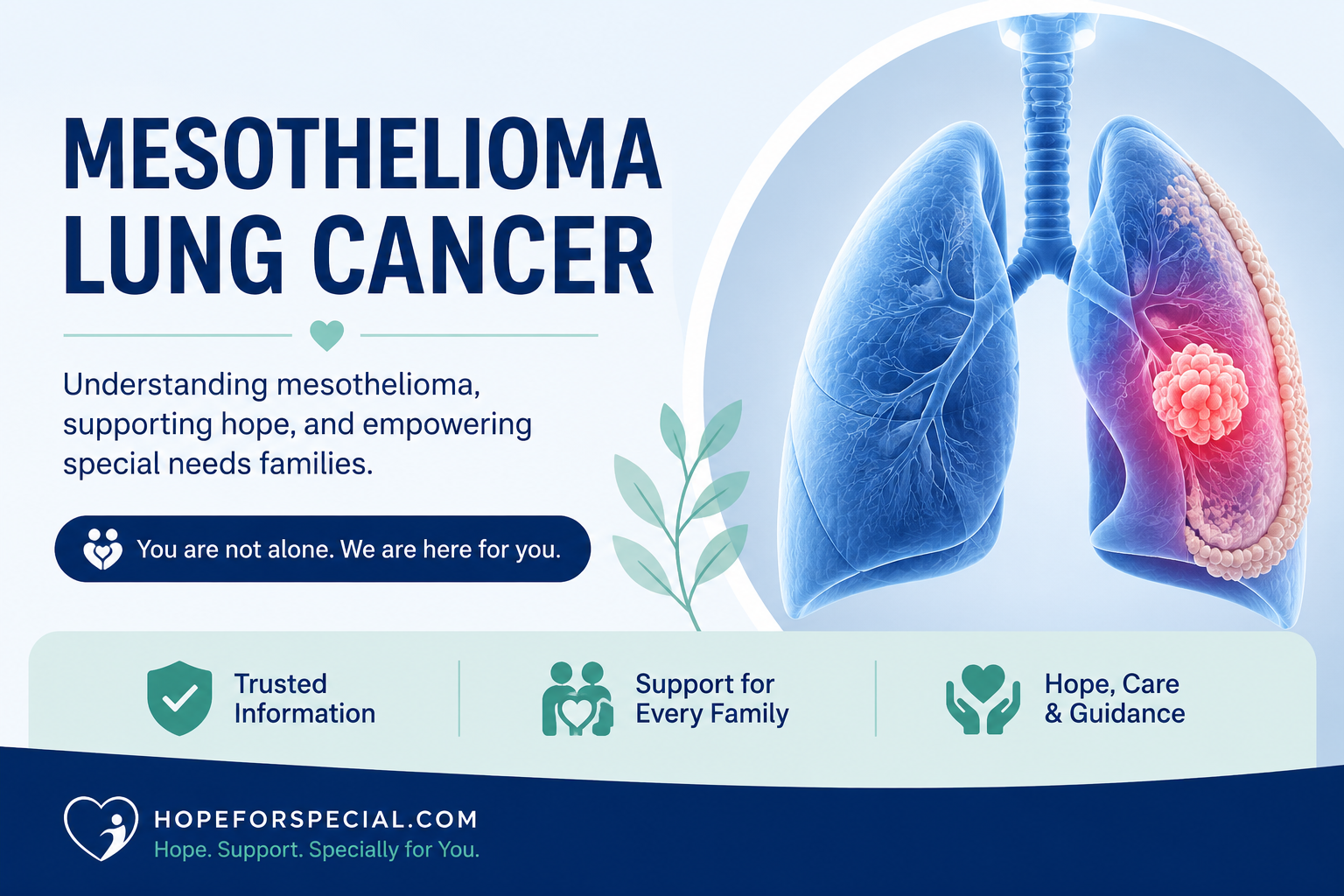
Mesothelioma Lung Cancer: Devastating Truth, Real Hope & Complete Survival Guide 2026 🎗️
A mesothelioma lung cancer diagnosis is one of the most emotionally devastating moments a person can experience. The fear. The confusion. The silence in the car on the way home from the clinic. If you are reading this right now — for yourself or someone you love — please know this first: you are not without options, and you are not without hope. 💙
This guide gives you everything. The biology, the treatments, the real survival stories, and the expert insights that most websites never share.

- ⚡ What Is Mesothelioma Lung Cancer? — Direct Answer
- 🔬 Understanding Mesothelioma Lung Cancer More Deeply
- ⚖️ How Is Mesothelioma Lung Cancer Different From Regular Lung Cancer?
- 🧱 What Causes Mesothelioma Lung Cancer?
- 🧬 Types of Mesothelioma Lung Cancer
- 1. Pleural Mesothelioma 🫁
- 2. Peritoneal Mesothelioma 🫄
- 3. Pericardial Mesothelioma 🫀
- 4. Testicular Mesothelioma
- Cell Types Within Mesothelioma
- 🩸 Symptoms of Mesothelioma Lung Cancer — Early & Advanced
- Early Symptoms of Mesothelioma Lung Cancer
- Advanced Symptoms
- ⚠️ Critical Warning: The Misdiagnosis Problem
- 🔬 How Is Mesothelioma Lung Cancer Diagnosed?
- Step 1 — Imaging Studies
- Step 2 — Thoracentesis
- Step 3 — Tissue Biopsy (Essential for Confirmation)
- Step 4 — Immunohistochemistry (IHC)
- Step 5 — Molecular & Genetic Testing
- 📊 Stages of Mesothelioma Lung Cancer
- 💊 Mesothelioma Lung Cancer Treatment Options in 2026
- Standard First-Line Treatment — Chemotherapy
- Immunotherapy — The Game-Changer 🔬
- Surgery — When and For Whom
- Radiation Therapy
- Emerging Treatments in 2026 🚀
- 📈 Key Mesothelioma Lung Cancer Statistics
- 🌿 Survival Rates & Prognosis for Mesothelioma Lung Cancer
- 💛 A Family’s Real Story: “He Was Told He Had Six Months. He Lived Three More Years.”
- 🔍 What You Must Not Miss About Mesothelioma Lung Cancer — Expert Insights
- 1. 🏥 The Specialist Gap Is Enormous — And Deadly
- 2. ⚖️ Legal Compensation Is Available — And Often Untapped
- 3. 🧠 Mental Health in Mesothelioma Is Catastrophically Underserved
- 4. 🩺 Secondary Asbestos Exposure in Women and Children
- 5. 💊 Palliative Care Is Not Giving Up
- 6. 🌍 Global Mesothelioma Is a Growing Crisis
- ⏳ Milestones in Mesothelioma Lung Cancer Research
- ❓ FAQs
- What is the difference between mesothelioma and mesothelioma lung cancer?
- How long can you live with mesothelioma lung cancer?
- Is mesothelioma lung cancer always caused by asbestos?
- Can mesothelioma lung cancer be cured?
- What are the first signs of mesothelioma lung cancer?
- How is mesothelioma lung cancer diagnosed?
- Does smoking cause mesothelioma lung cancer?
- Are veterans at higher risk of mesothelioma lung cancer?
- What is the best hospital for mesothelioma treatment in the US?
- What financial help is available for mesothelioma patients?
- 🔗 Trusted Resources for Mesothelioma Patients & Families
- ✨ Final Thoughts: Mesothelioma Lung Cancer Does Not Get the Last Word
⚡ What Is Mesothelioma Lung Cancer? — Direct Answer
Mesothelioma lung cancer is a rare but aggressive cancer that develops in the thin tissue lining surrounding the lungs, heart, or abdomen. It is almost exclusively caused by asbestos exposure. Symptoms appear decades after exposure. With early detection and modern treatment, some patients now live years beyond their initial prognosis.
🔬 Understanding Mesothelioma Lung Cancer More Deeply
To truly understand mesothelioma lung cancer, you first need to understand where it starts. The body has a thin, two-layered membrane called the mesothelium. This membrane surrounds and protects internal organs. The layer surrounding the lungs is called the pleura.
When mesothelioma develops in the pleura, it is called pleural mesothelioma — the most common form. This is why most people associate mesothelioma with the lungs. However, it is critical to understand: mesothelioma is not a cancer of the lung tissue itself. It is a cancer of the lining around the lungs.
This distinction matters enormously for treatment decisions, clinical trial eligibility, and prognosis.
The cancer grows as a sheet of tumor tissue that thickens around the lung, eventually restricting breathing, invading surrounding structures, and spreading to nearby lymph nodes and distant organs.
Because it grows slowly and silently — and because its symptoms mimic so many other common conditions — mesothelioma lung cancer is almost always diagnosed at an advanced stage. This is the core challenge that researchers and oncologists are working hardest to overcome in 2026.
⚖️ How Is Mesothelioma Lung Cancer Different From Regular Lung Cancer?
This is one of the most commonly searched questions — and one of the most important distinctions to understand.
| Feature | Mesothelioma Lung Cancer | Primary Lung Cancer |
|---|---|---|
| Origin | Lining of the lung (pleura) | Lung tissue itself |
| Primary cause | Asbestos exposure (nearly always) | Smoking, radon, genetics |
| Cell types | Epithelioid, sarcomatoid, biphasic | Adenocarcinoma, squamous cell, SCLC |
| Latency period | 20–50 years after asbestos exposure | Typically shorter |
| Diagnosis age | Usually 60s–80s | Can occur at any adult age |
| Response to chemo | Pemetrexed + cisplatin (specific) | Varies by cell type |
| Immunotherapy response | Improving rapidly in 2024–2026 | Established longer |
| Legal compensation | Often available (asbestos liability) | Rarely applicable |
| Prevalence | ~3,000 cases/year in the US | ~238,000 cases/year in the US |
Sources: National Cancer Institute · American Cancer Society
💡 Voice Search Answer — Is mesothelioma the same as lung cancer? No. Mesothelioma is not the same as lung cancer. Mesothelioma starts in the lining around the lungs, called the pleura. Lung cancer starts inside the lung tissue. They have different causes, different treatments, and different prognoses. Almost all mesothelioma cases are caused by asbestos exposure.
🧱 What Causes Mesothelioma Lung Cancer?
The answer here is almost always the same: asbestos.
Asbestos is a group of naturally occurring silicate minerals that were widely used in construction, shipbuilding, insulation, automotive parts, and military applications throughout much of the 20th century.
When asbestos-containing materials are disturbed, they release microscopic fibers into the air. These fibers are invisible to the naked eye. When inhaled, they travel deep into the lung tissue and embed themselves in the pleural lining. The body cannot break them down or expel them. Over decades, these fibers cause chronic inflammation and genetic damage that eventually leads to mesothelioma lung cancer.
The Latency Problem — Why Mesothelioma Is Often a Delayed Tragedy
This is the cruelest aspect of mesothelioma lung cancer: the disease typically does not appear until 20 to 50 years after the initial asbestos exposure.
A construction worker who handled asbestos insulation in the 1970s may not develop mesothelioma lung cancer until 2020 — long after the work is finished, long after retirement, and long after asbestos was banned from most applications in many countries.
This latency makes early detection extremely difficult. By the time symptoms appear, the cancer has often been growing silently for years.
Who Is Most at Risk?
⚠️ Construction workers — especially those working before 1980 when asbestos use was at its peak
⚠️ Shipyard workers — ships were heavily insulated with asbestos-containing materials
⚠️ Military veterans — the US Navy in particular used asbestos extensively in ships and submarines
⚠️ Insulation installers and plumbers — regular direct contact with asbestos products
⚠️ Miners — especially those working vermiculite, talc, or asbestos mines directly
⚠️ Family members of exposed workers — secondary exposure through asbestos fibers carried home on clothing is a documented and heartbreaking cause of mesothelioma
✅ Non-asbestos causes (rare): Erionite (a volcanic mineral), radiation therapy to the chest, and SV40 virus have been studied as potential contributing factors in a small number of cases.
🧬 Types of Mesothelioma Lung Cancer
Not all mesothelioma is the same. Understanding the type is essential because it directly affects treatment choices and prognosis.
1. Pleural Mesothelioma 🫁
- Most common type — approximately 75% of all cases
- Affects the lining around the lungs (pleura)
- Primary symptoms: chest pain, shortness of breath, pleural effusion (fluid around the lung)
- Most research and treatment development focuses on this type
2. Peritoneal Mesothelioma 🫄
- Affects the lining of the abdomen (peritoneum)
- Approximately 20% of all mesothelioma cases
- Symptoms: abdominal swelling, pain, nausea, unexplained weight loss
- Notably better prognosis than pleural mesothelioma when treated with HIPEC (Heated Intraperitoneal Chemotherapy)
3. Pericardial Mesothelioma 🫀
- Affects the lining surrounding the heart
- Extremely rare — less than 1% of cases
- Symptoms: chest pain, heart palpitations, difficulty breathing
- Very challenging to treat due to location
4. Testicular Mesothelioma
- Rarest form — less than 1% of all cases
- Affects the tunica vaginalis (lining of the testes)
- Generally better prognosis than pleural mesothelioma
Cell Types Within Mesothelioma
| Cell Type | Proportion of Cases | Prognosis | Response to Treatment |
|---|---|---|---|
| Epithelioid | ~60% | Best | Most responsive to chemotherapy & immunotherapy |
| Sarcomatoid | ~15% | Most challenging | Least responsive to most treatments |
| Biphasic (mixed) | ~25% | Intermediate | Depends on ratio of epithelioid to sarcomatoid cells |
🩸 Symptoms of Mesothelioma Lung Cancer — Early & Advanced
Because mesothelioma lung cancer grows silently for decades, symptoms tend to emerge gradually and are easily mistaken for more common conditions like pneumonia, pleurisy, or age-related fatigue.
Early Symptoms of Mesothelioma Lung Cancer
- 😮💨 Shortness of breath, especially with physical activity
- 😣 Persistent chest pain or pressure, often on one side
- 😓 Dry, painful cough that does not resolve
- 😴 Unusual fatigue or weakness
- 🌡️ Low-grade fever without obvious cause
Advanced Symptoms
- 💧 Pleural effusion — fluid buildup around the lung causing significant breathing difficulty
- ⚖️ Significant unexplained weight loss
- 🦴 Chest wall pain from tumor invasion of ribs or nerves
- 😤 Severe shortness of breath even at rest
- 🤢 Difficulty swallowing (when tumor involves the mediastinum)
- 🦷 Hoarseness from nerve involvement
⚠️ Critical Warning: The Misdiagnosis Problem
Mesothelioma lung cancer is frequently misdiagnosed — often initially as pneumonia, COPD, or primary lung cancer. Studies suggest that misdiagnosis occurs in up to 60% of initial evaluations.
If you or a family member have a history of asbestos exposure and are experiencing chest pain, persistent cough, or breathlessness, specifically tell your doctor about the asbestos history. This single piece of information dramatically changes the diagnostic pathway.
🔬 How Is Mesothelioma Lung Cancer Diagnosed?
Accurate diagnosis of mesothelioma lung cancer requires multiple steps and specialized expertise. A general oncologist may not have sufficient experience. Seeking a mesothelioma specialist at a major cancer center is strongly recommended.
Step 1 — Imaging Studies
- Chest X-ray — First-line imaging. May show pleural thickening or fluid but cannot confirm mesothelioma.
- CT Scan — Provides detailed images of the pleura, lymph nodes, and extent of disease. Standard diagnostic tool.
- PET Scan — Identifies metabolically active tumors. Essential for staging and surgical planning.
- MRI — Provides superior soft tissue detail. Used when chest wall or diaphragm invasion needs assessment.
Step 2 — Thoracentesis
If pleural fluid (effusion) is present, a needle is used to drain the fluid. The fluid is then analyzed for cancer cells. However, mesothelioma cells in fluid are notoriously difficult to identify accurately — cytology alone confirms mesothelioma in only about 30% of cases.
Step 3 — Tissue Biopsy (Essential for Confirmation)
Tissue biopsy is mandatory for definitive diagnosis. Options include:
- CT-guided needle biopsy — Minimally invasive; good for accessible tumors
- Thoracoscopy (VATS) — Video-assisted surgery to visualize and biopsy pleural tissue directly
- Surgical open biopsy — Reserved for cases where less invasive methods are insufficient
Step 4 — Immunohistochemistry (IHC)
Pathologists use specialized staining panels to distinguish mesothelioma from other cancers — particularly from lung adenocarcinoma, which can look similar under the microscope. Key markers used include calretinin, WT-1, mesothelin, and podoplanin.
Step 5 — Molecular & Genetic Testing
In 2026, molecular profiling has become increasingly important in mesothelioma management. Testing for BAP1, NF2, CDKN2A mutations helps predict prognosis and identify patients most likely to benefit from specific immunotherapy combinations.
📊 Stages of Mesothelioma Lung Cancer
Staging applies primarily to pleural mesothelioma and follows the TNM system:
| Stage | Description | Typical Treatment Approach | Median Survival |
|---|---|---|---|
| Stage I | Tumor confined to one side of the pleura | Surgery + chemo + radiation (multimodal) | 21–40 months |
| Stage II | Tumor involves diaphragm or lung tissue on same side | Surgery if eligible + chemo | 15–25 months |
| Stage III | Tumor spreads to chest wall, lymph nodes, or nearby organs | Chemotherapy + immunotherapy | 12–18 months |
| Stage IV | Distant metastasis to other organs or opposite side | Immunotherapy, palliative care | 6–12 months |
Source: American Joint Committee on Cancer (AJCC) · Mesothelioma Applied Research Foundation
💡 Note: These figures represent medians — meaning half of patients live longer. Individual outcomes vary significantly based on cell type, overall health, treatment center expertise, and response to therapy.
💊 Mesothelioma Lung Cancer Treatment Options in 2026
Treatment of mesothelioma lung cancer has advanced significantly in recent years.

The field has moved from single-modality approaches to sophisticated multimodal combinations — and immunotherapy has genuinely changed the trajectory for many patients.
Standard First-Line Treatment — Chemotherapy
Pemetrexed (Alimta) + Cisplatin remains the gold standard first-line chemotherapy doublet for pleural mesothelioma. It was the first regimen proven in a Phase III trial to extend survival in mesothelioma patients.
- Response rate: approximately 40–45%
- Median survival improvement: 12.1 months vs. 9.3 months with cisplatin alone
- Carboplatin may be substituted for cisplatin in patients who cannot tolerate platinum toxicity
Immunotherapy — The Game-Changer 🔬
The FDA approval of nivolumab (Opdivo) + ipilimumab (Yervoy) in May 2020 for unresectable pleural mesothelioma was a landmark moment. This combination of two checkpoint inhibitors (anti-PD-1 + anti-CTLA-4) demonstrated superior overall survival compared to chemotherapy alone in the CheckMate 743 trial.
| Treatment | Median Overall Survival | 2-Year Survival Rate |
|---|---|---|
| Nivolumab + Ipilimumab | 18.1 months | 41% |
| Pemetrexed + Platinum chemo | 14.1 months | 27% |
Source: CheckMate 743 Trial — NEJM
This survival benefit was particularly strong in patients with non-epithelioid (sarcomatoid and biphasic) cell types — a group that historically had very poor responses to chemotherapy.
Surgery — When and For Whom
Surgical options for mesothelioma lung cancer are considered only for patients with early-stage disease, good performance status, and epithelioid cell type. Two main approaches exist:
Extrapleural Pneumonectomy (EPP)
- Removes the entire affected lung, pleura, diaphragm, and pericardium
- Aggressive surgery with significant morbidity
- Best performed at high-volume mesothelioma centers
- Falling out of favor due to mortality risk without clear survival advantage over lung-sparing surgery
Pleurectomy/Decortication (P/D)
- Removes the diseased pleura while preserving the lung
- Less morbid than EPP
- Increasingly preferred at experienced mesothelioma centers
- Can be combined with HIPEC or intrapleural chemotherapy
Radiation Therapy
Radiation is rarely used as a standalone treatment for mesothelioma lung cancer. However, it plays an important role in the multimodal approach:
- Adjuvant hemithoracic radiation after EPP has shown local control benefits
- Palliative radiation for pain control from chest wall invasion
- Prophylactic radiation to biopsy sites reduces the risk of needle-track metastasis — a known complication of invasive procedures in mesothelioma
Emerging Treatments in 2026 🚀
🧬 CAR-T Cell Therapy — Mesothelin-targeted CAR-T cells are in active Phase I/II trials for mesothelioma with early promising results.
💉 Tumor Treating Fields (TTFields) — A novel wearable device delivering alternating electric fields. The STELLAR trial showed improved median overall survival to 18.2 months when combined with chemotherapy in pleural mesothelioma.
🔬 VEGF-targeting agents — Bevacizumab combined with pemetrexed + cisplatin showed modest but significant survival benefit in the MAPS trial and is used in selected patients.
🧪 Oncolytic virus therapy — Early trials using modified herpes simplex virus injected directly into the pleural space have shown intriguing immune activation in mesothelioma tumors.
📈 Key Mesothelioma Lung Cancer Statistics
| Statistic | Figure | Source |
|---|---|---|
| New mesothelioma cases diagnosed annually in the US | ~3,000 | American Cancer Society |
| Global mesothelioma deaths per year | ~30,000 | World Health Organization |
| Percentage of mesothelioma caused by asbestos exposure | ~80–90% | National Cancer Institute |
| Median latency between asbestos exposure and diagnosis | 20–50 years | Mesothelioma Applied Research Foundation |
| Percentage of cases diagnosed at Stage III or IV | ~75% | NCI SEER Database |
| 5-year survival rate (all stages combined) | ~10–12% | NCI SEER Database |
| 5-year survival for Stage I epithelioid mesothelioma | ~20–30% | Journal of Thoracic Oncology |
| Survival improvement with nivolumab + ipilimumab vs. chemo | 18.1 vs. 14.1 months | CheckMate 743 — NEJM |
| US veterans diagnosed with mesothelioma | ~30% of all US cases | VA — Asbestos Exposure |
| Countries that have fully banned asbestos | 67+ countries | International Ban Asbestos Secretariat |
🌿 Survival Rates & Prognosis for Mesothelioma Lung Cancer
Understanding prognosis requires honesty combined with hope. The statistics are sobering — but they are also improving year over year as new treatments emerge.
| Stage | Cell Type | Median Survival | 5-Year Survival |
|---|---|---|---|
| Stage I | Epithelioid | 21–40 months | 20–30% |
| Stage I | Sarcomatoid | 12–15 months | ~8% |
| Stage II | Epithelioid | 15–25 months | 12–20% |
| Stage III | Any | 12–18 months | 5–10% |
| Stage IV | Any | 6–12 months | ~3–5% |
| All stages combined | Mixed | 12–18 months | 10–12% |
Factors That Improve Prognosis
✅ Epithelioid cell type (most responsive to treatment)
✅ Early-stage diagnosis (Stage I or II)
✅ Younger age and good overall performance status
✅ Treatment at a specialized mesothelioma center
✅ Achieving complete surgical resection
✅ Strong response to first-line immunotherapy
✅ Participation in clinical trials
Factors That Worsen Prognosis
⚠️ Sarcomatoid or biphasic cell type
⚠️ Advanced stage at diagnosis (Stage III or IV)
⚠️ Older age or significant comorbidities
⚠️ Elevated white blood cell count and low platelet count at diagnosis
⚠️ Rapid weight loss and poor performance status
🎯 Important Context: These statistics represent averages across large populations. Individual patients regularly outlive statistical projections — particularly those treated at specialized centers, enrolled in clinical trials, and who achieve strong treatment responses. Prognosis is not destiny.
💛 A Family’s Real Story: “He Was Told He Had Six Months. He Lived Three More Years.”
“My father, Robert, was 71 when he was diagnosed with Stage III pleural mesothelioma lung cancer in 2021. He had worked in shipyard construction for 28 years — retired, healthy, proud of his career. Then came the cough. Then the chest X-ray. Then the words that changed everything.
The first oncologist told us six months. Standard chemotherapy, comfort care. We accepted it, devastated. Then my sister found a mesothelioma specialist in Boston. She made the appointment herself.
That specialist enrolled Dad in a clinical trial combining nivolumab with a novel second agent. Within three months, his imaging showed meaningful tumor reduction. He stabilized. Then he thrived — relative to what we had expected. He lived 38 months from diagnosis. He saw my daughter born. He danced at her first birthday party.
I am not sharing this to promise miracles. I am sharing it because the first oncologist — a good, caring doctor — simply was not a mesothelioma specialist. Getting to the right expert changed everything for our family. Please: if you get this diagnosis, seek a specialist. Do not settle for the first answer.”
— Margaret T., daughter of Robert, mesothelioma patient 2021–2024 💙
🔍 What You Must Not Miss About Mesothelioma Lung Cancer — Expert Insights
1. 🏥 The Specialist Gap Is Enormous — And Deadly
Most general oncology practices see one or two mesothelioma cases per year. Major mesothelioma centers see hundreds. The difference in diagnostic accuracy, trial access, and surgical expertise is staggering. Studies consistently show that patients treated at high-volume mesothelioma specialty centers live significantly longer than those treated at general hospitals.
If you are diagnosed with mesothelioma lung cancer, getting a second opinion at a National Cancer Institute-designated cancer center is not just reasonable — it could extend your life. Find one at cancer.gov/research/infrastructure/cancer-centers.
2. ⚖️ Legal Compensation Is Available — And Often Untapped
Billions of dollars exist in asbestos trust funds established by bankrupt asbestos companies specifically to compensate mesothelioma patients and their families. Many patients do not know they are eligible. You do not need to file a lawsuit.
Many claims are resolved through trust funds within months. This compensation can fund experimental treatments, family support, and quality of life improvements. Organizations like Mesothelioma Hope and the Mesothelioma Applied Research Foundation can help connect patients with legal resources.
3. 🧠 Mental Health in Mesothelioma Is Catastrophically Underserved
The psychological impact of a mesothelioma lung cancer diagnosis — the survivor’s guilt from knowing it came from someone else’s negligence, the grief of a shortened life expectancy, the financial stress — is devastating. Yet very few mesothelioma care teams include embedded mental health support.
Research shows that mesothelioma patients with access to psychological support services show better treatment adherence, stronger immune function markers, and measurably better quality of life scores. If your care team does not offer it, ask for a referral to an oncology psychologist.
4. 🩺 Secondary Asbestos Exposure in Women and Children
A significant number of mesothelioma patients — particularly women — were never directly exposed to asbestos. They developed mesothelioma lung cancer from washing their husband’s or father’s work clothes, hugging them after a shift, or living in homes where asbestos dust was unknowingly carried in daily.
This secondary exposure pathway is often overlooked in medical history taking — and means women with no obvious occupational history should still be evaluated thoroughly if symptoms suggest mesothelioma.
5. 💊 Palliative Care Is Not Giving Up
One of the most damaging misconceptions in mesothelioma lung cancer care is that palliative care means stopping treatment. It does not. Palliative care means managing symptoms and improving quality of life alongside active cancer treatment.
Evidence consistently shows that mesothelioma patients who receive concurrent palliative care alongside standard treatment actually live longer — not shorter — than those who receive cancer treatment alone. This was demonstrated powerfully in a landmark study published in the New England Journal of Medicine on early palliative care integration.
6. 🌍 Global Mesothelioma Is a Growing Crisis
While asbestos has been banned in 67+ countries, it is still mined and used in Russia, China, Brazil, Kazakhstan, and India — countries that together account for millions of ongoing asbestos exposures. Global mesothelioma cases are expected to continue rising through the 2030s in developing nations even as rates plateau in Western countries. This is a global public health emergency that receives a fraction of the attention it deserves.
⏳ Milestones in Mesothelioma Lung Cancer Research
1960 — First Scientific Link Established
South African researcher Dr. J.C. Wagner publishes the first scientific paper definitively linking asbestos exposure to mesothelioma lung cancer — a paper that changed occupational health forever.
1969 — First Asbestos Lawsuits Filed in the US
Workers and families begin legal action against asbestos manufacturers who concealed health risks — leading eventually to thousands of asbestos trust funds.
1989 — Partial US Asbestos Ban
The EPA attempts a near-total asbestos ban. It was largely overturned in 1991 by a federal appeals court — a decision that continues to affect public health today.
2003 — Pemetrexed + Cisplatin Approved
FDA approval of the first effective chemotherapy regimen specifically for pleural mesothelioma. Median survival improved meaningfully for the first time.
2020 — Immunotherapy Dual Checkpoint Approved
FDA approves nivolumab + ipilimumab for unresectable pleural mesothelioma — the first new first-line treatment in 17 years and a genuine turning point in outcomes.
2021 — Tumor Treating Fields Added to Guidelines
The STELLAR trial results lead to TTFields (Optune Lua) being incorporated into NCCN guidelines for pleural mesothelioma — a novel non-pharmaceutical treatment modality.
2024–2026 — CAR-T and Combination Immunotherapy Trials
Mesothelin-targeted CAR-T cells enter advanced Phase II trials. Multiple combination immunotherapy regimens are under investigation. The field has never been more active.
❓ FAQs
What is the difference between mesothelioma and mesothelioma lung cancer?
Mesothelioma is the broad term for cancer of the mesothelial lining that can affect the lungs, abdomen, heart, or testes. Mesothelioma lung cancer specifically refers to pleural mesothelioma — the most common form — which develops in the lining surrounding the lungs. The term “mesothelioma lung cancer” is commonly used because most patients experience breathing problems as the primary symptom.
How long can you live with mesothelioma lung cancer?
Survival varies greatly depending on stage, cell type, treatment, and the expertise of the treating center. The median overall survival is approximately 12–18 months for all stages combined. However, patients with early-stage epithelioid mesothelioma treated at specialized centers with multimodal therapy have achieved survivals of 3–5 years or more. Immunotherapy has pushed the 2-year survival rate to 41% in eligible patients — a dramatic improvement from a decade ago.
Is mesothelioma lung cancer always caused by asbestos?
In approximately 80–90% of cases, yes. Asbestos exposure is by far the leading cause of mesothelioma lung cancer. In a small number of cases, other causes such as erionite fiber exposure, prior radiation therapy to the chest, or very rare genetic mutations (BAP1 germline mutations) have been identified.
However, if you have mesothelioma and no known asbestos exposure, your physician should take a very detailed occupational and environmental history — secondary or household exposure is often the overlooked source.
Can mesothelioma lung cancer be cured?
Currently, mesothelioma lung cancer is not considered curable in the traditional sense for most patients. However, a small number of patients with early-stage disease who undergo successful multimodal surgery followed by chemotherapy and radiation have achieved long-term remissions lasting 10+ years.
In 2026, clinical trials are testing combinations that researchers hope may eventually achieve durable disease control equivalent to a functional cure for some patients. The goal has shifted from “managing an incurable disease” to “achieving long-term disease control.”
What are the first signs of mesothelioma lung cancer?
The earliest signs of mesothelioma lung cancer include shortness of breath with exertion, a persistent dry cough, pain in the chest or rib area (often on one side), and unexplained fatigue. These symptoms are often subtle and mistaken for aging, a respiratory infection, or COPD.
If you have a history of asbestos exposure — even decades ago — and experience any of these symptoms, tell your doctor about the exposure history immediately. It dramatically changes the diagnostic approach.
How is mesothelioma lung cancer diagnosed?
Diagnosis requires imaging (CT scan, PET scan), followed by tissue biopsy for definitive confirmation. Cytology of pleural fluid alone is insufficient in most cases. Immunohistochemistry staining of biopsy tissue is essential to distinguish mesothelioma from lung adenocarcinoma and other cancers. Molecular profiling (BAP1, CDKN2A testing) is increasingly used for prognosis and treatment planning in 2026.
Does smoking cause mesothelioma lung cancer?
No. Smoking does not cause mesothelioma lung cancer. This is a critical distinction from primary lung cancer, where smoking is the dominant risk factor.
However, smoking combined with asbestos exposure dramatically increases the risk of primary lung cancer in the same patient — it does not increase mesothelioma risk specifically. Stopping smoking is still strongly recommended for any asbestos-exposed individual, but it will not reduce their mesothelioma risk.
Are veterans at higher risk of mesothelioma lung cancer?
Yes — significantly so. United States military veterans, particularly Navy veterans who served between the 1930s and 1980s, were heavily exposed to asbestos in ships, shipyards, and military facilities.
Approximately 30% of all US mesothelioma cases occur in veterans. The VA provides disability benefits to veterans with service-connected mesothelioma. Veterans should contact the VA at va.gov or a VA-accredited attorney for claims assistance.
What is the best hospital for mesothelioma treatment in the US?
Several major cancer centers have dedicated mesothelioma programs with the highest patient volumes and most robust clinical trial access. These include: MD Anderson Cancer Center (Houston), Memorial Sloan Kettering Cancer Center (New York), Brigham and Women’s Hospital (Boston), University of Chicago Medicine, and Baylor College of Medicine (Houston).
Seeking care at a center that treats 50+ mesothelioma cases annually is associated with meaningfully better outcomes. Find NCI-designated centers at cancer.gov/research/infrastructure/cancer-centers.
What financial help is available for mesothelioma patients?
Multiple financial resources exist specifically for mesothelioma patients. Asbestos bankruptcy trust funds hold over $30 billion in combined assets for eligible claimants. VA disability benefits are available to qualifying veterans.
Patient assistance programs from pharmaceutical manufacturers cover drug costs. The Mesothelioma Applied Research Foundation and Lung Cancer Alliance offer financial navigation support. Many mesothelioma-specialized law firms offer free case evaluations with no upfront costs.
🔗 Trusted Resources for Mesothelioma Patients & Families
🏥 Medical Authorities & Research
- National Cancer Institute — Mesothelioma
- American Cancer Society — Mesothelioma
- Mayo Clinic — Mesothelioma
- European Society for Medical Oncology (ESMO)
- Journal of Thoracic Oncology
💛 Patient Support Organizations
- Mesothelioma Applied Research Foundation
- Asbestos Disease Awareness Organization (ADAO)
- CML Advocates Network
- VA Asbestos Exposure Benefits
🔬 Clinical Trials & Research
✨ Final Thoughts: Mesothelioma Lung Cancer Does Not Get the Last Word
Mesothelioma lung cancer is one of the most difficult diagnoses in medicine. The latency. The misdiagnosis. The often-advanced stage at detection. The cruel reality that it was almost always caused by someone else’s negligence.
But the story is changing. 💙
Immunotherapy has transformed median survival. Surgical techniques have advanced. Molecular testing now guides personalized treatment decisions. Clinical trials are pushing boundaries that were unimaginable a decade ago.
And beyond the statistics, there are people — patients, survivors, families — who are living longer, fighting harder, and finding meaning even in the most difficult chapters.
If this diagnosis has touched your life, here is what matters most right now:
✅ Get to a mesothelioma specialist. Not next month. This week.
✅ Ask about clinical trials. The standard path is not always the best path.
✅ Explore your legal and financial rights. You likely have more options than you know.
✅ Let people help you. A mesothelioma lung cancer diagnosis is not a journey anyone should walk alone.
✅ Hold on to hope. Not blindly — but with clear eyes and a full heart.
You are more than a diagnosis. And with mesothelioma lung cancer in 2026, the fight has never been fought with better weapons. 🎗️
⚠️ Disclaimer: This article is written for educational and informational purposes only. It does not constitute medical or legal advice. Always consult a licensed oncologist, hematologist, or attorney for diagnosis, treatment decisions, and legal matters related to mesothelioma lung cancer.


