
♿ Persons with Disabilities (PWDs): Meaning, Types, Rights & Complete Guide (2026)
You may have heard the term “PWDs” (Persons with Disabilities).
But many people still ask:
👉 What does it really mean?
👉 Who is included?
👉 How can we support them better?
These are important questions.
In my experience working with families and caregivers, one thing is clear:
Understanding disability is the first step toward inclusion.
This guide explains persons with disabilities meaning and types in simple, practical language so that everyone can understand and support inclusivity.

- 🧩 What Does “Persons with Disabilities” Mean?
- 📊 Quick Facts About Disability
- 🧬 Types of Disabilities
- 1. 🦽 Physical Disabilities
- 2. 🧠 Intellectual Disabilities
- 3. 🧩 Developmental Disabilities
- 4. 👁️ Sensory Disabilities
- 5. 🧠 Mental Health Conditions
- 📊 Types Summary Table
- 🧠 Causes of Disabilities
- 📊 Causes Table
- ⚖️ Rights of Persons with Disabilities
- 🌍 Global Rights
- 🇮🇳 Rights in India
- 🧠 Challenges Faced by PWDs
- 🏠 Real-Life Experience
- 🧠 Importance of Inclusion
- 🏫 Role of Education
- 🧑🏫 Role of Society
- 📱 Technology and Disability (2026)
- 📊 Assistive Technology Table
- 🧠 How to Support Persons with Disabilities
- 🤖 Voice Search Section
- International PWD Day
- ❤️ Final Thoughts
- ❓ FAQs
- 1. What are persons with disabilities?
- 2. What are the main types of disabilities?
- 3. What causes disabilities?
- 4. Do persons with disabilities have equal rights?
- 5. What is the Rights of Persons with Disabilities Act?
- 6. How can society support PWDs?
- 7. What challenges do PWDs face?
- 8. What is inclusive education?
- 9. How does technology help PWDs?
- 10. Why is awareness important?
- 🌐 Sources
🧩 What Does “Persons with Disabilities” Mean?
The term “Persons with Disabilities” refers to individuals who have long-term physical, mental, intellectual, or sensory impairments.
These impairments may:
- Limit daily activities
- Affect participation in society
According to the World Health Organization:
https://www.who.int/news-room/fact-sheets/detail/disability-and-health
Disability is not just about health.
👉 It is also about barriers in society.
📊 Quick Facts About Disability
| Fact | Details |
|---|---|
| Global population | Over 1 billion people |
| Percentage | ~16% of world population |
| Causes | Health + environment |
| Rights | Protected by law |
(Source: WHO)
🧬 Types of Disabilities
Disabilities are not the same.
They can be grouped into categories.
1. 🦽 Physical Disabilities
Affect movement and mobility.
Examples:
- Paralysis
- Cerebral palsy
- Amputation
2. 🧠 Intellectual Disabilities
Affect learning and thinking.
Examples:
- Down syndrome
- Developmental delays
3. 🧩 Developmental Disabilities
Start in childhood.
Examples:
- Autism
- ADHD
4. 👁️ Sensory Disabilities
Affect senses like sight and hearing.
Examples:
- Blindness
- Hearing loss
5. 🧠 Mental Health Conditions
Affect emotional well-being.
Examples:
- Depression
- Anxiety
📊 Types Summary Table
| Type | Affects | Examples |
|---|---|---|
| Physical | Movement | Paralysis |
| Intellectual | Thinking | Down syndrome |
| Developmental | Growth | Autism |
| Sensory | Senses | Blindness |
| Mental | Emotions | Anxiety |
🧠 Causes of Disabilities
Disabilities can occur due to many reasons.
🧬 1. Genetic Causes
- Chromosomal conditions
- Inherited disorders
🦠 2. Medical Conditions
- Infections
- Chronic diseases
🚗 3. Injuries
- Accidents
- Trauma
🌍 4. Environmental Factors
- Pollution
- Poor healthcare
📊 Causes Table
| Cause | Example | Preventable? |
|---|---|---|
| Genetic | Down syndrome | No |
| Medical | Stroke | Sometimes |
| Injury | Accident | Yes |
| Environmental | Pollution | Yes |
⚖️ Rights of Persons with Disabilities
PWDs have equal rights.
🌍 Global Rights
According to the United Nations:
https://www.un.org/development/desa/disabilities/convention-on-the-rights-of-persons-with-disabilities.html
PWDs have the right to:
- Education
- Employment
- Healthcare
- Accessibility
🇮🇳 Rights in India
Under the Rights of Persons with Disabilities Act 2016:
PWDs are entitled to:
- Reservation in jobs
- Inclusive education
🧠 Challenges Faced by PWDs
❌ Social Barriers
- Stigma
- Discrimination
❌ Physical Barriers
- Lack of ramps
- Poor infrastructure
❌ Economic Barriers
- Limited job opportunities
👉 Removing these barriers is key.
🏠 Real-Life Experience
A caregiver shared:
“The biggest challenge was not the disability, but how society treated my child.”
👉 This highlights the need for awareness and inclusion.
🧠 Importance of Inclusion
Inclusion means:
- Equal opportunities
- Respect
- Accessibility
👉 Inclusive environments benefit everyone.
🏫 Role of Education
Inclusive education helps:
- Build confidence
- Improve skills
- Promote equality
🧑🏫 Role of Society
Everyone can help by:
- Being respectful
- Supporting accessibility
- Avoiding stereotypes
📱 Technology and Disability (2026)
Modern tools include:
- Assistive devices
- Screen readers
- AI-based apps
👉 Technology empowers independence.
📊 Assistive Technology Table
| Tool | Purpose | Benefit |
|---|---|---|
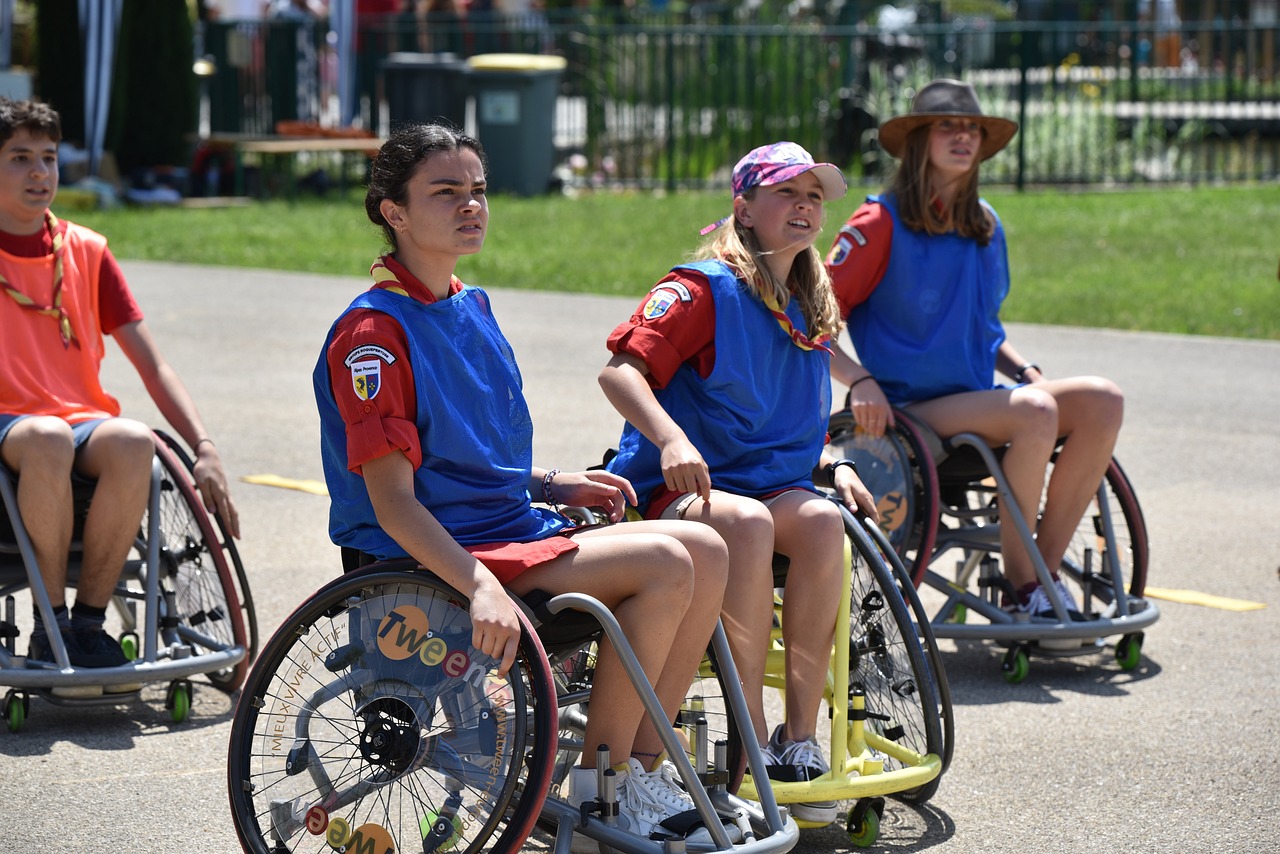
| Wheelchair | Mobility | Independence |
| Hearing aid | Hearing | Communication |
| Screen reader | Vision | Accessibility |
🧠 How to Support Persons with Disabilities
✅ Respect and Dignity
Treat individuals equally.
✅ Provide Accessibility
- Ramps
- Elevators
✅ Encourage Independence
- Support, not pity
✅ Educate Yourself
- Learn about disabilities
🤖 Voice Search Section
What are persons with disabilities?
Persons with disabilities are individuals with physical, mental, intellectual, or sensory impairments that affect daily life.
What are the types of disabilities?
Physical, intellectual, developmental, sensory, and mental health disabilities.
What rights do PWDs have?
They have rights to education, employment, healthcare, and accessibility.
International PWD Day
Absolutely! As we enter into the world of employment and equal opportunities for PWDs, it’s fitting to acknowledge a significant day dedicated to celebrating their rights and achievements: The International Day of Persons with Disabilities (IDPD).
Observed annually on December 3rd, IDPD serves as a global platform to raise awareness about the issues faced by PWDs, promote their rights and well-being, and ensuring their inclusion in all aspects of society.

❤️ Final Thoughts
Understanding disability changes perspectives.
👉 Disability is not inability
👉 Inclusion creates equality
👉 Awareness builds better societies
Every small step matters.
❓ FAQs
1. What are persons with disabilities?
Persons with disabilities are individuals who have long-term physical, mental, intellectual, or sensory impairments.
2. What are the main types of disabilities?
Physical, intellectual, developmental, sensory, and mental health disabilities.
3. What causes disabilities?
They can be caused by genetic factors, medical conditions, injuries, or environmental factors.
4. Do persons with disabilities have equal rights?
Yes.
👉 They have equal rights under international and national laws.
5. What is the Rights of Persons with Disabilities Act?
It is a law in India that protects the rights of individuals with disabilities.
6. How can society support PWDs?
By promoting accessibility, respect, and inclusion.
7. What challenges do PWDs face?
Social stigma, physical barriers, and limited opportunities.
8. What is inclusive education?
Education that includes all students, regardless of ability.
9. How does technology help PWDs?
It provides tools that improve independence and accessibility.
10. Why is awareness important?
Awareness reduces discrimination and promotes inclusion.
🌐 Sources
- https://www.who.int/news-room/fact-sheets/detail/disability-and-health
- https://www.un.org/development/desa/disabilities/
- https://www.cdc.gov/ncbddd/disabilityandhealth/disability.html
- https://www.ncpedp.org/
👉 These provide trusted information.


Pingback: ✅ Permanent Disability: What It Means, Who Qualifies & How to Navigate Support - HopeforSpecial