

🌸 Trisomy X Syndrome Symptoms in Females: Complete Age-by-Age Guide (2026)
This Triple X syndrome symptoms in females guide will help you understand everything clearly.
Imagine being told your daughter has an extra chromosome.
At first, it sounds scary. But then you learn something surprising — many girls with trisomy X live completely normal lives.
Trisomy X, also known as Triple X syndrome, is a genetic condition affecting females, caused by the presence of an extra X chromosome.
While most females have two X chromosomes (46,XX), individuals with trisomy X have three (47,XXX). This condition is part of a group of extra chromosome disorders in females and often goes undiagnosed due to its subtle symptoms.

- 🧬 What Is Trisomy X? – Trisomy X Syndrome Definition
- Trisomy X Syndrome Symptoms in Females Quick Facts (At a Glance)
- A Real-Life Parent Story
- 📊 How Common Is Trisomy X?
- 👧 Trisomy X Syndrome Symptoms in Females | Symptoms of Trisomy X in Females
- Common Physical Features
- Developmental Symptoms
- Cognitive & Learning Profile
- Behavioral & Emotional Symptoms
- Trisomy X Syndrome Symptoms in Females by Age: What to Expect at Every Stage
- 👶 Infancy (0–2 Years)
- 🧒 Toddler and Preschool Years (2–5 Years)
- 🎒 School Age (6–12 Years)
- 🌸 Adolescence (13–18 Years)
- 👩 Adulthood (18+ Years)
- Medical Concerns (Less Common)
- Trisomy X Syndrome Symptoms in Females: What Makes it Unique?
- 🧪 Diagnosis of Trisomy X
- Before Birth (Prenatal)
- After Birth
- Trisomy X Diagnosis: A Step-by-Step Parent Action Checklist
- ✅ Right After Diagnosis
- ✅ For Babies and Toddlers (0–5 Years)
- ✅ For School-Age Children (5–12 Years)
- ✅ For Teens (12–18 Years)
- ✅ For Adult Women
- 🧭 Causes of Trisomy X: How Does Trisomy X Syndrome Symptoms in Females Happen?
- Trisomy X Life Expectancy: Will My Daughter Live a Normal Life?
- Trisomy X in Adult Women: Late Diagnosis and What It Means
- 🏥 Trisomy X Treatment and Therapies
- Daily Life With Trisomy X Syndrome Symptoms in Females
- Long-Term Outlook
- Myths vs Facts
- Trisomy X vs Other Chromosomal Conditions
- 🧬 Trisomy X vs Other Chromosomal Disorders
- Trisomy X vs Turner Syndrome: What Is the Difference?
- Lesser-Known Health Risks of Trisomy X Syndrome in Females
- 1. Autoimmune Conditions
- 2. Earlier Menopause
- 3. Sleep Apnea and Respiratory Issues
- 4. Musculoskeletal Differences
- 5. Frequent Urinary Tract Infections (UTIs)
- Trisomy X and Fertility: Can Women with Triple X Syndrome Have Children?
- How to Support a Child with Trisomy X at School: IEP, 504 Plans and Practical Tips
- Expert Insight
- Trisomy X Syndrome Symptoms in Females: When Should You See a Doctor?
- 👶 Can Trisomy X Be Prevented?
- 💡 Living with Trisomy X: What to Expect
- Beyond Trisomy X: What Are Tetra X and Penta X Syndromes?
- 🧡 Support Resources:
- Voice Search Section
- What are the symptoms of trisomy X syndrome in females?
- Can a girl with trisomy X live a normal life?
- Is trisomy X dangerous?
- What is the life expectancy of someone with triple X syndrome?
- What are the first signs of trisomy X?
- ❓ Trisomy X Syndrome Symptoms in Females Frequently Asked Questions (FAQs)
- 1. What is the main cause of trisomy X syndrome?
- 2. How common is trisomy X?
- 3. Can trisomy X be cured?
- 4. Do all girls with trisomy X have learning disabilities?
- 5. Can women with trisomy X have children?
- 6. What is mosaic trisomy X?
- 7. Does trisomy X affect appearance?
- 8. Is trisomy X related to autism?
- 9. When is trisomy X diagnosed?
- 10. What is the best treatment approach?
- 🎯 Trisomy X Syndrome Symptoms in Females Conclusion
🧬 What Is Trisomy X? – Trisomy X Syndrome Definition
Trisomy X syndrome definition: Trisomy X is a sex chromosome aneuploidy in which a female has three X chromosomes instead of the usual two. This condition is sometimes referred to as trisomy of X chromosome or trisomy triple X syndrome.
- Medical term: 47,XXX
- Also known as: Triple X syndrome
- Prevalence: Occurs in approximately 1 in 1,000 live female births
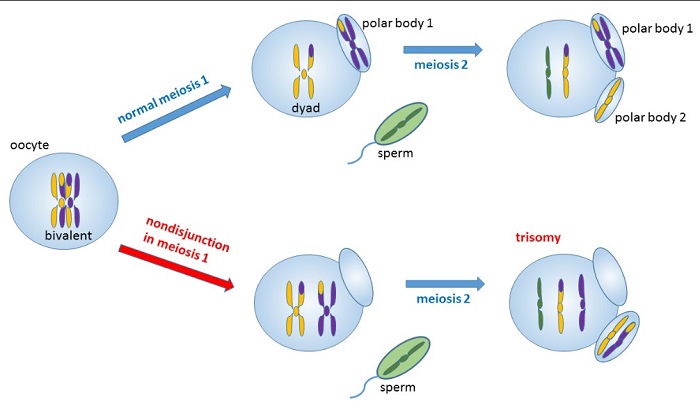
- Cause: Nondisjunction during meiosis leading to an extra chromosome X
👉 Chromosomes 21, 18, 13, X, and Y are commonly linked with chromosomal abnormalities. Trisomy X focuses on the X chromosome only.
In simple words:
We can say Trisomy X syndrome (also called Triple X syndrome or 47,XXX) is a genetic condition where a female has three X chromosomes instead of two.
Normally:
- Females → XX
- Trisomy X → XXX
This happens due to a random genetic event during cell division. It is not caused by anything parents did.
Trisomy X Syndrome Symptoms in Females Quick Facts (At a Glance)
| Feature | Details |
|---|---|
| Condition name | Trisomy X / Triple X syndrome |
| Chromosomes | 47,XXX |
| Affects | Females only |
| Prevalence | 1 in 1,000 girls |
| Severity | Usually mild |
| Inheritance | Not inherited (random) |
| Life expectancy | Normal |
👉 Important: Many girls are never diagnosed because symptoms can be very mild.
A Real-Life Parent Story
From real parent discussions online:
“My 3.5-year-old daughter has trisomy X, and she is normal in every way… we would never know anything was different.”
This reflects reality.
Most girls with trisomy X:
- Go to school
- Make friends
- Live independent lives
👉 The biggest challenge is often lack of awareness, not the condition itself.
📊 How Common Is Trisomy X?
Here’s a quick glance at how trisomy X compares with other trisomy disorders:
| Disorder | Chromosome Affected | Prevalence (Per Live Births) | Gender Affected | Source |
|---|---|---|---|---|
| Trisomy X (Triple X Syndrome) | Extra X (47,XXX) | 1 in 1,000 females | Female | NIH |
| Trisomy 21 (Down Syndrome) | Extra Chromosome 21 | 1 in 700 | Male & Female | CDC |
| Trisomy 18 (Edwards) | Extra Chromosome 18 | 1 in 5,000 | Mostly Female | NIH |
| Trisomy 13 (Patau) | Extra Chromosome 13 | 1 in 16,000 | Male & Female | Genetics Home Reference |
👧 Trisomy X Syndrome Symptoms in Females | Symptoms of Trisomy X in Females
Symptoms vary widely. Some girls have none.
Common Physical Features
| Symptom | Description |
|---|---|
| Tall height | Most common sign |
| Weak muscle tone | Delayed sitting/walking |
| Flat feet | Mild structural difference |
| Curved pinky finger | Minor physical trait |
| Widely spaced eyes | Subtle feature |
👉 Many girls look completely typical.
Developmental Symptoms
- Speech delay
- Language difficulties
- Motor skill delay
- Learning challenges
👉 These are usually mild and manageable.
Cognitive & Learning Profile
| Area | Impact |
|---|---|
| IQ | Often normal or slightly lower |
| Reading | Mild difficulty |
| Math | Possible struggle |
| Processing speed | Slower |
👉 Early support improves outcomes significantly.
Behavioral & Emotional Symptoms
- Anxiety
- ADHD-like traits
- Low confidence
👉 These are supportable, not permanent barriers.
✨ It is crucial to note that trisomy x female individuals often lead normal lives with average IQs.
Trisomy X Syndrome Symptoms in Females by Age: What to Expect at Every Stage
Many parents ask: “Will my daughter’s symptoms change as she grows?” The answer is yes — and knowing what to look for at each stage can make a huge difference in getting the right support at the right time.
Below is a simple, age-by-age breakdown of what trisomy X syndrome symptoms in females may look like throughout her life.
👶 Infancy (0–2 Years)
During infancy, symptoms can be very subtle. In fact, many babies with trisomy X show no signs at all. However, some parents and doctors may notice a few early clues.
- Low muscle tone (hypotonia): The baby may feel “floppy” when held. This is one of the most common early signs. (Source: NIH MedlinePlus)
- Delayed motor milestones: Rolling over, sitting up, and crawling may happen later than usual. (Source: Orphanet)
- Feeding difficulties: Some infants struggle with feeding due to weak muscle tone.
- Above-average height tracking: Height may begin to track above the typical range even in early infancy. (Source: Orphanet)
It is important to know that most infants with trisomy X look completely healthy. If the condition is not caught prenatally, these subtle signs are often the first clue that something may need attention.
🧒 Toddler and Preschool Years (2–5 Years)
This is the stage when parents often first notice developmental differences. As a result, this is also when many girls receive their diagnosis for the first time.
| Symptom | What It Looks Like |
|---|---|
| Speech delay | First words or sentences come later than peers |
| Language difficulty | Shorter sentences, limited vocabulary |
| Motor clumsiness | Falls more often, difficulty with stairs or running |
| Attention challenges | Shorter attention span, easily distracted |
| Social shyness | Prefers solo play or gets overwhelmed in groups |
In addition, tall stature often becomes noticeable during the toddler years. Girls with trisomy X often grow faster and taller than their peers, with height frequently above the 75th percentile during early childhood. (Source: NIH/PubMed — Tartaglia et al., 2010)
🎒 School Age (6–12 Years)
This is when learning differences tend to become most visible. As academic demands increase, trisomy X syndrome symptoms in females often become more apparent in the classroom setting.
Common school-age challenges include:
- Reading and writing difficulties — particularly decoding words and reading fluency (Source: Healthline)
- Math struggles — especially with problem-solving and abstract reasoning
- Slower processing speed — takes longer to respond to questions or complete tasks (Source: Mayo Clinic)
- Executive function challenges — difficulty with planning, organizing, and managing time (Source: Healthline)
- Anxiety — often shows up as stomach aches, school refusal, or excessive worry
- ADHD-like behaviors — inattention, impulsivity, and difficulty sitting still
That said, many girls in this age group thrive with the right classroom support. With early intervention, most girls with trisomy X do well academically. (Source: NORD)
🌸 Adolescence (13–18 Years)
Puberty in most girls with trisomy X begins at a normal age and follows a normal pattern. However, there are some important things parents and teens should be aware of during this stage.
- Puberty onset is typically normal — no significant delay in most cases (Source: Wikipedia — Trisomy X)
- Menstrual cycles are usually regular — though irregular periods can sometimes occur (Source: Apollo Hospitals)
- Emotional struggles may intensify — anxiety, depression, and low self-esteem often peak during the teen years (Source: NORD)
- Ovarian reserve may be smaller than average — meaning the reproductive window could be shorter (Source: Wikipedia — Trisomy X)
The good news is that NORD notes short-term counseling or therapy is beneficial during adolescence, and with proper medical care, most girls transition successfully into adulthood. (Source: NORD)
👩 Adulthood (18+ Years)
Interestingly, many women with trisomy X are never diagnosed until adulthood — often during unrelated testing or fertility evaluations. In adulthood, the following symptoms and considerations are most relevant:
- Anxiety and mood symptoms often ease with age and appropriate therapy (Source: Nemours KidsHealth)
- Fertility is usually normal, though some women may experience premature ovarian failure (Source: MedlinePlus)
- Earlier menopause — on average 5 years earlier than the general female population (Source: Wikipedia — Trisomy X)
- Autoimmune risk is higher — lupus (SLE) is approximately 2.5x more common in women with trisomy X (Source: Wikipedia — Trisomy X)
- Independent living is common and achievable for most women with trisomy X
Medical Concerns (Less Common)
| Condition | Frequency |
|---|---|
| Seizures | Rare (~10%) |
| Kidney problems | Rare |
| Premature ovarian failure | Some cases |
Trisomy X Syndrome Symptoms in Females: What Makes it Unique?
Here’s what most websites don’t explain well:
1. Many Girls Are Undiagnosed
Because symptoms are mild, many never know they have it.
2. Normal Fertility Is Common
Most women can:
- Get pregnant
- Have healthy children
3. Intelligence Can Be Normal
Many girls:
- Attend mainstream school
- Complete higher education
🧪 Diagnosis of Trisomy X
Diagnosis is typically made through karyotype testing, a chromosomal analysis that detects the presence of an extra chromosome.
Before Birth (Prenatal)
- NIPT (blood test)
- Amniocentesis
- Chorionic villus sampling
After Birth
- Genetic testing (karyotype)
👉 Often diagnosed when:
- Developmental delays appear
- Learning issues arise
Trisomy X Diagnosis: A Step-by-Step Parent Action Checklist
If your daughter has just been diagnosed with trisomy X — or if you suspect she may have it — it can feel overwhelming to know where to start. Here is a simple, practical checklist to guide you through every stage.
✅ Right After Diagnosis
- Take a breath — trisomy X is not life-threatening
- Request a full karyotype report from your doctor
- Ask for a referral to a genetic counselor who can explain the results in plain language
- Connect with a pediatric endocrinologist if you have questions about growth or puberty
- Seek a developmental pediatrician for a full developmental evaluation
✅ For Babies and Toddlers (0–5 Years)
- Ask your pediatrician about Early Intervention services — free for children under 3 in the US
- Get a speech-language evaluation even if speech seems only slightly delayed
- Get an occupational therapy evaluation for motor skill development
- Monitor growth regularly — track height percentile at every visit
- Ask about a kidney and urinary tract ultrasound (Source: NORD)
✅ For School-Age Children (5–12 Years)
- Request a psychoeducational evaluation through the school district
- Discuss whether an IEP or 504 Plan is appropriate for your child
- Ensure your child has speech therapy if language processing is affected
- Consider anxiety screening — anxiety is very common in this age group (Source: Mayo Clinic)
- Connect with a child psychologist or counselor for emotional support
✅ For Teens (12–18 Years)
- Discuss menstrual regularity with her OB-GYN
- Monitor for signs of anxiety or depression — these often peak in adolescence
- Have an early conversation about future family planning so she understands her fertility outlook
- Check for scoliosis at annual well-child visits (Source: Wikipedia — Trisomy X)
✅ For Adult Women
- Get a baseline hormonal evaluation (FSH, AMH) if considering pregnancy
- Discuss autoimmune monitoring with your primary care doctor
- Get regular gynecological care and discuss ovarian reserve with your OB-GYN
- Consider joining a trisomy X support community for peer connection
🧭 Causes of Trisomy X: How Does Trisomy X Syndrome Symptoms in Females Happen?
Trisomy X happens due to nondisjunction. That means chromosomes fail to separate properly during cell division.
Types:
- Full Trisomy X
- All cells have 3 X chromosomes
- Mosaic Trisomy X
- Some cells are normal, some have extra X
- Symptoms are usually milder
👉 This is a random event, not hereditary.
🧬 Extra chromosome 23 is commonly misunderstood — actually, sex chromosomes (X and Y) are part of chromosome pair 23
Trisomy X Life Expectancy: Will My Daughter Live a Normal Life?
If your daughter has been diagnosed with trisomy X, one of the first questions that probably comes to mind is: Will she live a full, normal life?
The reassuring answer is: yes, in most cases.
Trisomy X does not shorten life expectancy. Girls and women with trisomy X generally live as long as anyone else in the general population. (Source: MedlinePlus)
Here is what you should know about long-term outcomes:
| Factor | What to Expect |
|---|---|
| Life expectancy | Normal — same as general female population |
| Fertility | Usually normal; some risk of premature ovarian failure |
| Independence | Most women live independently |
| Mental health | Manageable with proper support and therapy |
| Employment | Many women hold regular jobs and careers |
| Relationships | Normal romantic and social lives are common |
Furthermore, life expectancy and quality of life can be influenced by whether the condition is diagnosed early. Early diagnosis leads to earlier intervention, better educational support, and better emotional outcomes in the long run. (Source: NORD)
It is also worth noting that a small percentage of women with trisomy X do have health complications — such as kidney problems, autoimmune conditions, or premature ovarian failure — that may require ongoing medical monitoring. (Source: NIH/PubMed — Tartaglia et al., 2010)
Bottom line: Trisomy X is not a life-threatening condition. Most women with trisomy X lead healthy, fulfilling, independent lives. The key is early identification and the right support system.
Trisomy X in Adult Women: Late Diagnosis and What It Means
Here is something that surprises many people: most women with trisomy X are never diagnosed. In fact, it is estimated that only about 10% of females with trisomy X are ever identified during their lifetime. (Source: Orphanet)
This means millions of adult women worldwide are living with trisomy X without knowing it. The reason is simple — the symptoms are often so mild that neither the woman nor her doctor connects them to a chromosomal condition.
Signs an Adult Woman May Have Undiagnosed Trisomy X
- History of learning difficulties in school — especially with reading, writing, or math
- Chronic anxiety or depression that has been difficult to treat (Source: Healthline)
- Fertility challenges or irregular periods — especially if diagnosed with premature ovarian insufficiency
- Consistently tall stature compared to parents and siblings
- Diagnosed with ADHD or attention difficulties as an adult
- Autoimmune conditions such as lupus (SLE) or Sjögren syndrome (Source: Wikipedia — Trisomy X)
How Adult Women Are Usually Diagnosed
| Route to Diagnosis | Notes |
|---|---|
| During fertility evaluation | Most common route in adulthood |
| Prenatal testing of own pregnancy | Accidental discovery |
| Genetic testing for other conditions | Increasingly common |
| After child’s diagnosis prompts family testing | Less common |
| Direct-to-consumer DNA kits | Growing route of discovery |
If you are an adult woman who suspects you may have trisomy X, a simple blood test called a karyotype can confirm or rule it out. Speak to your doctor or ask for a referral to a genetic counselor.
🏥 Trisomy X Treatment and Therapies
There is no cure for trisomy X, but support makes a huge difference.
Early Intervention Plan
| Therapy | Benefit |
|---|---|
| Speech therapy | Improves communication |
| Occupational therapy | Daily skills |
| Physical therapy | Motor development |
| Behavioral therapy | Emotional support |
School Support
- Individualized Education Plan (IEP)
- Extra learning time
- Structured routines
Emotional Support
- Counseling
- Positive parenting
- Confidence building
👉 A supportive environment changes outcomes dramatically.
💊 Trisomy X Treatment Goals:
- Improve communication
- Enhance motor skills
- Support emotional development
- Assist in school and learning
🧠 Triple X syndrome treatment should be individualized and multidisciplinary.
Daily Life With Trisomy X Syndrome Symptoms in Females
What Parents Often Notice
- Slight learning delays
- Sensitivity or shyness
- Need for structured support
What Actually Matters
- Early help
- Encouragement
- Patience
👉 With support, most girls thrive.
Long-Term Outlook
| Area | Outcome |
|---|---|
| Education | Often normal |
| Career | Independent life |
| Relationships | Healthy |
| Lifespan | Normal |
👉 The outlook is very positive.
Myths vs Facts
| Myth | Fact |
|---|---|
| It is a severe disability | Usually mild |
| Girls cannot live normal lives | Most do |
| It is inherited | Mostly random |
| All girls show symptoms | Many show none |
Trisomy X vs Other Chromosomal Conditions
| Condition | Chromosomes | Severity |
|---|---|---|
| Trisomy X | XXX | Mild |
| Down syndrome | Trisomy 21 | Moderate |
| Turner syndrome | XO | Variable |
👉 Trisomy X is generally less severe.
🧬 Trisomy X vs Other Chromosomal Disorders
| Feature | Trisomy X | Down Syndrome (Trisomy 21) | Edwards Syndrome (Trisomy 18) | Patau Syndrome (Trisomy 13) |
|---|---|---|---|---|
| Chromosome Affected | X | 21 | 18 | 13 |
| Gender Affected | Female | Both | Mostly Female | Both |
| Severity | Mild to moderate | Moderate | Severe | Very Severe |
| Life Expectancy | Normal | Reduced | Severely reduced | Severely reduced |
| Intellectual Disability | Mild | Moderate | Severe | Severe |
Trisomy X vs Turner Syndrome: What Is the Difference?
Parents and even some doctors sometimes confuse trisomy X with Turner syndrome, since both are sex chromosome conditions that affect females. However, they are actually very different conditions — and understanding the difference matters for treatment.
| Feature | Trisomy X (47,XXX) | Turner Syndrome (45,X) |
|---|---|---|
| Chromosomes | 3 X chromosomes — one extra | Only 1 X chromosome — one missing |
| Height | Usually tall — above average | Usually short — below average |
| Fertility | Usually normal | Usually infertile |
| Puberty | Usually normal onset | Often does not occur without hormones |
| Heart defects | Rare — similar rate to general population | Common — affects 30–50% of cases |
| Learning challenges | Mild difficulties possible | Mild difficulties possible |
| Prevalence | 1 in 1,000 females | 1 in 2,500 females |
| Diagnosis timing | Often missed due to subtle symptoms | Often caught at birth or during puberty |
| Life expectancy | Normal | Slightly reduced due to heart complications |
(Sources: MedlinePlus) (Wikipedia — Trisomy X)
While both conditions may cause learning challenges and emotional difficulties, the physical and medical profiles are quite different. If you are ever unsure which condition your daughter has, a karyotype blood test will give you a definitive answer.
Lesser-Known Health Risks of Trisomy X Syndrome in Females
Most articles about trisomy X focus on the well-known symptoms — tall height, learning differences, and mild developmental delays. However, there are several lesser-discussed health risks that parents and adult women should also be aware of.
1. Autoimmune Conditions
One of the most overlooked findings in trisomy X research is the link to autoimmune diseases. Specifically:
- Lupus (SLE): Women with trisomy X are approximately 2.5 times more likely to develop lupus compared to women without the condition. (Source: Wikipedia — Trisomy X)
- Sjögren Syndrome: This autoimmune condition — which causes dry eyes and dry mouth — is also found more frequently in women with trisomy X. (Source: Wikipedia — Trisomy X)
If your daughter develops unexplained joint pain, fatigue, or other immune-related symptoms, always mention her trisomy X diagnosis to her doctor.
2. Earlier Menopause
Women with trisomy X tend to enter menopause approximately 5 years earlier than the average woman. This is connected to a smaller ovarian reserve — meaning fewer eggs available over a lifetime. (Source: Wikipedia — Trisomy X)
As a result, women with trisomy X who want to have children may benefit from earlier family planning discussions with their OB-GYN.
3. Sleep Apnea and Respiratory Issues
Research suggests that sex chromosome aneuploidies — including trisomy X — may be linked to a higher rate of sleep apnea and asthma compared to the general population. (Source: Wikipedia — Trisomy X)
If your daughter snores loudly, frequently wakes at night, or feels tired despite adequate sleep, a sleep study may be worth requesting.
4. Musculoskeletal Differences
Some girls with trisomy X may also develop:
- Scoliosis — curvature of the spine, linked to sex chromosome aneuploidies
- Hip dysplasia — more common than in the general population
- Flat feet and joint laxity — often connected to low muscle tone early in life
(Source: Wikipedia — Trisomy X)
These are not always serious, but they are worth monitoring during the growth years at annual pediatric visits.
5. Frequent Urinary Tract Infections (UTIs)
Some girls with trisomy X experience recurring UTIs, sometimes linked to structural differences in the urinary tract. (Source: Nemours KidsHealth)
If your daughter has repeated UTIs, ask your doctor about a kidney and urinary tract ultrasound to rule out underlying structural issues.
Trisomy X and Fertility: Can Women with Triple X Syndrome Have Children?
One of the most common questions asked by parents — and later by the young women themselves — is about fertility and reproductive health. Fortunately, the answer is reassuring for most.
Puberty in Girls with Trisomy X
In the majority of girls with trisomy X:
- Puberty begins at the usual expected age — no significant delay in most cases
- Breast development, pubic hair growth, and height spurts follow a normal pattern
- Menstrual cycles begin at a normal age for most girls
However, a small number of girls may experience delayed puberty, irregular periods, or early ovarian insufficiency. If these occur, a referral to a pediatric endocrinologist is recommended. (Source: NORD)
Can Women with Trisomy X Get Pregnant?
Yes — most can. The majority of women with trisomy X have normal sexual development and are able to conceive children naturally. (Source: MedlinePlus)
That said, there are some important fertility considerations to be aware of:
| Fertility Factor | What to Expect |
|---|---|
| General fertility | Normal for most women |
| Ovarian reserve | May be smaller than average |
| Menopause timing | On average 5 years earlier |
| Premature ovarian failure | Possible in some cases |
| Pregnancy outcome | Generally normal |
(Source: Wikipedia — Trisomy X)
Will her children inherit trisomy X? Since trisomy X is caused by a random genetic event — not a hereditary pattern — the chance of passing it on to children is very low. (Source: MedlinePlus)
If a woman with trisomy X is having difficulty conceiving, she should be evaluated for premature ovarian insufficiency before assuming infertility. Early referral to a reproductive endocrinologist is strongly recommended.
How to Support a Child with Trisomy X at School: IEP, 504 Plans and Practical Tips
One of the biggest concerns for parents of girls with trisomy X is school performance. The good news is that with the right support plan in place, most girls with trisomy X do very well academically.
Here is what every parent should know about getting school support for a child with trisomy X.
Does My Daughter Qualify for an IEP or 504 Plan?
Yes — in many cases, girls with trisomy X qualify for formal school support, depending on how their symptoms affect their learning.
| Plan Type | Who It Is For | What It Covers |
|---|---|---|
| IEP (Individualized Education Program) | Children who need specialized instruction | Reading support, speech therapy, occupational therapy, special education services |
| 504 Plan | Children who need accommodations, not special instruction | Extra time on tests, preferential seating, reduced homework, oral testing |
If your daughter has speech delays, learning disabilities, ADHD-like symptoms, or anxiety that affects her schoolwork, she may qualify for either plan. (Source: NORD)
Recommended School Accommodations for Trisomy X
- ✅ Extended time on tests and assignments
- ✅ Preferential seating — front of class, away from distractions
- ✅ Oral testing as an alternative to written exams
- ✅ Speech-language therapy for language processing difficulties
- ✅ Occupational therapy for fine motor skill challenges
- ✅ Reduced homework load when processing speed is affected
- ✅ Quiet testing environment to reduce anxiety
Tips for Talking to Your Child’s School
- Bring documentation. Have a letter from your child’s doctor or geneticist explaining the diagnosis.
- Request a full evaluation. Schools are required to evaluate your child for free to determine IEP eligibility.
- Be specific. List the exact areas your child struggles with — reading, math, attention, anxiety.
- Stay involved. Attend every IEP or 504 meeting and ask questions freely.
- Know your rights. Under IDEA (Individuals with Disabilities Education Act), your child is entitled to a Free Appropriate Public Education.
Early school support makes a profound difference. Children with trisomy X who receive appropriate educational interventions often catch up significantly with their peers over time. (Source: Orphanet)
Expert Insight
From clinical understanding:
- Brain development differences are subtle
- Language areas may develop slower
- Early stimulation improves neural pathways
👉 This is why early therapy is powerful.
Trisomy X Syndrome Symptoms in Females: When Should You See a Doctor?
Consult a doctor if your child has:
- Speech delay
- Learning struggles
- Poor muscle tone
- Behavioral concerns
👶 Can Trisomy X Be Prevented?
Currently, trisomy x cannot be prevented. However, genetic counseling and prenatal screening can help identify the condition early.
💡 Living with Trisomy X: What to Expect
Most girls and women with trisomy x syndrome live full, independent lives. With timely intervention and support, challenges can be minimized. Many lead successful careers and have families of their own.
Beyond Trisomy X: What Are Tetra X and Penta X Syndromes?
While this guide focuses on trisomy X (47,XXX), it is worth briefly explaining two related — and much rarer — variants that some readers and parents search for.
| Condition | Chromosomes | Rarity | Symptoms Compared to Trisomy X |
|---|---|---|---|
| Trisomy X | 47,XXX | 1 in 1,000 females | Mild — often subtle or unnoticed |
| Tetra X Syndrome | 48,XXXX | Very rare | More significant learning and developmental delays |
| Penta X Syndrome | 49,XXXXX | Extremely rare | Significant intellectual disability; heart defects common |
As a general rule, the more extra X chromosomes are present, the more significant the symptoms tend to be. Trisomy X — with just one extra X chromosome — is the mildest and most common of these variants.
If your child has been diagnosed with 48,XXXX or 49,XXXXX, the management approach is similar to trisomy X but will require more intensive multidisciplinary support. A specialist in sex chromosome disorders should be a key part of your child’s care team.
🧡 Support Resources:
Other helpful resources:
- https://www.mayoclinic.org/diseases-conditions/triple-x-syndrome
- https://medlineplus.gov/genetics/condition/trisomy-x/
- https://rarediseases.info.nih.gov/diseases/5672/trisomy-x
Voice Search Section
What are the symptoms of trisomy X syndrome in females?
Trisomy X symptoms include tall height, speech delay, learning difficulties, and mild behavioral issues. Many females have no symptoms at all.
Can a girl with trisomy X live a normal life?
Yes. Most girls live normal, independent lives with proper support.
Is trisomy X dangerous?
No. It is usually mild and manageable.
What is the life expectancy of someone with triple X syndrome?
Most individuals with Triple X syndrome have a normal life expectancy and can live healthy, typical lives with proper support if needed.
What are the first signs of trisomy X?
Early signs may include delayed speech, learning difficulties, low muscle tone, or taller-than-average height in childhood, though many girls show very mild or no symptoms.
❓ Trisomy X Syndrome Symptoms in Females Frequently Asked Questions (FAQs)
1. What is the main cause of trisomy X syndrome?
It is caused by a random error during cell division called nondisjunction. It is not inherited.
2. How common is trisomy X?
It affects about 1 in 1,000 females, but many cases go undiagnosed.
3. Can trisomy X be cured?
No. But symptoms can be managed effectively with therapy and support.
4. Do all girls with trisomy X have learning disabilities?
No. Many have normal intelligence. Some may need mild support.
5. Can women with trisomy X have children?
Yes. Most women have normal fertility and healthy pregnancies.
6. What is mosaic trisomy X?
It is a milder form where only some cells have the extra chromosome.
7. Does trisomy X affect appearance?
Usually no. Most females look typical.
8. Is trisomy X related to autism?
Some girls may show similar traits, but it is not the same condition.
9. When is trisomy X diagnosed?
It can be diagnosed before birth or later during childhood when developmental delays appear.
10. What is the best treatment approach?
Early intervention, educational support, and emotional care are most effective.
🎯 Trisomy X Syndrome Symptoms in Females Conclusion
Trisomy X is often misunderstood.
It sounds serious. But in reality, it is usually mild.
The most important takeaway:
👉 Early support + awareness = excellent outcomes
Many girls grow up to:
- Study
- Work
- Build families
And most importantly — live full, happy lives.


