

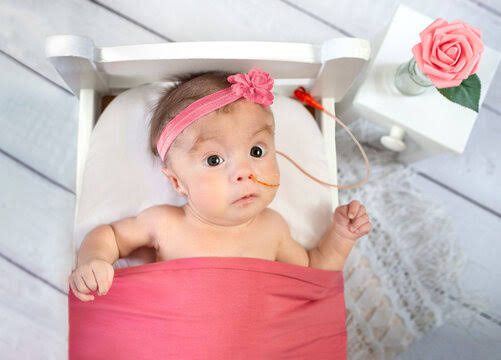
🌟 Edwards Disease (Trisomy 18): Causes, Symptoms, Life Expectancy & Parent Guide (2026)
Edwards disease, also known as Edwards Syndrome or Trisomy 18, is a rare but serious genetic condition caused by an extra 18th chromosome. This condition affects approximately 1 in 5,000 live births and is associated with severe developmental delays and physical abnormalities.
In this article, we will define Edwards Syndrome, explore its features, understand the risk of Edwards Syndrome, look at clinical features, survival rates, and share important facts and statistics. 📊

- 🧬 What Is Edwards Disease?
- 📘 Define Edwards Syndrome
- 🧠 Edwards Syndrome Meaning & Origins
- 👶 Edwards Syndrome Clinical Features
- 📉 Effects of Edwards Syndrome
- 📊 Real Statistics on Edwards Disease
- 🎯 Posterior Risk for Edwards Syndrome
- 🧪 Diagnosing Edwards Disease
- 👩⚕️ Edwards Syndrome Specialists
- ❓ Interesting Facts About Edwards Syndrome
- 📈 Survival Rate of Edwards Syndrome
- 🌐 Syndrome de Edwards: International Terminology
- 🧭 Coping and Care for Edwards Disease
- Edwards Syndrome vs Down Syndrome: What Is the Difference?
- Edwards Syndrome and Maternal Age: How Risk Increases With Age
- Prenatal Testing for Edwards Syndrome: NIPT, Amniocentesis, and More Explained Simply
- Edwards Syndrome in Boys vs Girls: Is There a Difference?
- Heart Defects in Edwards Syndrome: The Most Critical Complication
- What Happens During Pregnancy When a Baby Has Edwards Syndrome
- Real Stories of Long-Term Edwards Syndrome Survivors
- A Parent’s Guide: What to Do After an Edwards Syndrome Diagnosis
- Edwards Syndrome Recurrence Risk: Will It Happen Again?
- Voice Search for Edwards Disease
- Q: Is Edwards disease the same as Trisomy 18?
- Q: How long can a baby live with Edwards syndrome?
- Q: Can Edwards syndrome be detected before birth?
- Q: Is Edwards syndrome more common in boys or girls?
- Q: What is the difference between full, mosaic, and partial Trisomy 18?
- Q: Can a child with Edwards syndrome go to school?
- Q: What is the recurrence risk of Edwards syndrome?
- Q: Is there any cure for Edwards syndrome?
- 💡 Final Thoughts on Edwards Disease
- ❓FAQs on Edwards Disease
🧬 What Is Edwards Disease?
Edwards disease is a genetic disorder where a person has three copies of chromosome 18 instead of the usual two.
This is why it’s also referred to as Trisomy 18 or Edward Syndrome 18. The additional genetic material disrupts normal development, leading to various physical and intellectual disabilities.
📘 Define Edwards Syndrome
To define Edwards Syndrome, we must understand that it’s a chromosomal condition resulting from nondisjunction — an error in cell division that causes a full extra 18th chromosome in each cell of the body. There are three forms:
- Full Edwards Syndrome: Every cell has an extra chromosome 18.
- Mosaic Edwards Syndrome: Some cells have the extra chromosome; others do not.
- Partial Trisomy 18: Only part of chromosome 18 is present in triplicate.
📚 Definition of Edwards Syndrome
“Edwards Syndrome (Trisomy 18) is a chromosomal condition associated with abnormalities in many parts of the body, caused by the presence of an extra chromosome 18 in a person’s cells.”
🧠 Edwards Syndrome Meaning & Origins
The meaning of Edwards Syndrome lies in its genetic cause and clinical impact. First described by Dr. John H. Edwards in 1960, this syndrome is the second most common autosomal trisomy after Down syndrome.
🕰️ Edwards Syndrome History
- 🧪 1960: Discovered by Dr. John Edwards.
- 🧬 First linked to a third copy of chromosome 18.
- 📈 Since then, screening methods have evolved, improving posterior risk for Edwards Syndrome detection during pregnancy.
👶 Edwards Syndrome Clinical Features
Common Edward Syndrome Features include:
- Low birth weight
- Small, abnormally shaped head
- Cleft lip or palate
- Clenched fists with overlapping fingers ✊
- Heart and kidney defects
- Developmental delays
- Rocker-bottom feet 🦶
These clinical features of Edwards Syndrome vary depending on whether the case is full, mosaic, or partial.
📉 Effects of Edwards Syndrome
The effects of Edwards Syndrome are both physical and neurological. Infants born with the full form often suffer from:
- Severe intellectual disability
- Failure to thrive
- Seizures
- Difficulty feeding
- Breathing difficulties 😔
Children with mosaic Edwards Syndrome may live longer and have fewer complications, but significant challenges persist.
📊 Real Statistics on Edwards Disease
Here’s a look at key statistics:
| Aspect | Data | Source |
|---|---|---|
| Incidence | 1 in 5,000 live births | CDC |
| Live births with full trisomy 18 | ~95% do not survive pregnancy | NIH |
| Median survival time | 3 to 14.5 days | PubMed |
| One-year survival | ~10% | NIH |
| Mosaic/partial survival rate | Can live into adolescence | Genetics Home Reference |
🎯 Posterior Risk for Edwards Syndrome
Posterior risk refers to the adjusted risk of a baby having Edwards disease after prenatal screening. It’s based on:
- Maternal age
- Ultrasound results (e.g., nuchal translucency)
- Blood test markers
- Non-invasive prenatal testing (NIPT)
Women over 35 have a significantly higher risk of Edwards Syndrome in pregnancy.
🧪 Diagnosing Edwards Disease
Before Birth:
- 🧫 NIPT (Non-Invasive Prenatal Testing)
- 💉 Amniocentesis
- 🧬 Chorionic Villus Sampling (CVS)
After Birth:
- Karyotype testing (to detect extra 18th chromosome disease)
- Clinical observation of features
- Echocardiograms for heart defects
👩⚕️ Edwards Syndrome Specialists
Management of Edwards disease requires a multidisciplinary team of specialists:
- Pediatric geneticists 🧬
- Neonatologists 👶
- Cardiologists ❤️
- Neurologists 🧠
- Palliative care experts
Edwards Syndrome specialists focus on supportive care and improving quality of life where possible.
❓ Interesting Facts About Edwards Syndrome
Let’s look at some Edwards Disease facts and Edwards Syndrome interesting facts:
- 💔 95% of fetuses with full Edwards Syndrome do not survive to term.
- 🧬 It affects more females than males.
- 🤱 Only 10% of babies live past their first birthday.
- 👨👩👧 Most cases are not inherited, but random.
- 💉 Prenatal tests can detect the condition with high accuracy.
📈 Survival Rate of Edwards Syndrome
Here’s a breakdown of the survival rate of Edwards Syndrome:
| Age | Full Trisomy 18 | Mosaic/Partial Trisomy 18 |
|---|---|---|
| At birth | ~5% survive to birth | ~90% survive |
| 1 week | ~50% survive | ~80% survive |
| 1 month | ~30% survive | ~75% survive |
| 1 year | ~10% survive | ~50–60% survive |
| 5+ years | Rare | Can survive into adulthood |
🌐 Syndrome de Edwards: International Terminology
In Spanish and French-speaking regions, Edwards Syndrome is called Syndrome de Edwards or Syndrome Edwards. Global research and advocacy groups use these terms in awareness campaigns and support programs.
🧭 Coping and Care for Edwards Disease
💞 Raising a child with Edwards disease can be emotionally overwhelming. Families benefit from:
- Genetic counseling 👨⚕️
- Palliative care services 🏥
- Support groups (e.g., SOFT – Support Organization for Trisomy)
Check out SOFT UK and Trisomy 18 Foundation for resources.
Edwards Syndrome vs Down Syndrome: What Is the Difference?
Many people confuse Edwards syndrome with Down syndrome because both are caused by an extra chromosome. However, these are two very different conditions with different chromosomes involved, different symptoms, and very different life outcomes. Understanding the difference helps parents, caregivers, and the public become better informed.
Here is a clear, simple comparison:
| Feature | Edwards Syndrome (Trisomy 18) | Down Syndrome (Trisomy 21) |
|---|---|---|
| Extra chromosome | Chromosome 18 | Chromosome 21 |
| How common | 1 in 5,000–6,000 live births | 1 in 700 live births |
| Severity | Very severe — most cases fatal in infancy | Moderate — most people live full lives |
| Average survival | Days to weeks for full trisomy 18 | 60+ years in many cases |
| Heart defects | ~90% of cases | ~50% of cases |
| Intellectual disability | Severe in almost all cases | Mild to moderate in most cases |
| Can attend school? | Rarely, due to severity | Yes — many attend mainstream schools |
| First described | Dr. John Edwards, 1960 | Dr. John Langdon Down, 1866 |
| Most affected gender | More common in girls | Affects boys and girls equally |
Even though both conditions involve an extra chromosome, Down syndrome is far less severe and allows for a much longer and more independent life. Edwards syndrome, by contrast, is one of the most serious chromosomal conditions that can affect a baby. (Source: Cleveland Clinic | Source: CDC)
Furthermore, the recurrence risk is also different. If you have already had a baby with Edwards syndrome, your risk of having another affected pregnancy is about 1%. For Down syndrome, recurrence risk also depends heavily on maternal age and whether the case was inherited or random. (Source: Cleveland Clinic)
Edwards Syndrome and Maternal Age: How Risk Increases With Age
One of the most searched questions by expecting parents is: “Does my age affect the risk of Edwards syndrome?” The answer is yes — and understanding this can help families make informed decisions about prenatal testing.
As a woman gets older, the eggs in her body age too. Older eggs are more likely to make errors during cell division, which can lead to a baby inheriting three copies of chromosome 18 instead of two. (Source: NIH/NINDS)
Here is how maternal age affects the estimated risk of carrying a pregnancy with Trisomy 18:
| Maternal Age | Approximate Risk of Trisomy 18 in Pregnancy |
|---|---|
| 20 years old | 1 in 10,000 |
| 25 years old | 1 in 8,500 |
| 30 years old | 1 in 5,000 |
| 35 years old | 1 in 2,500 |
| 38 years old | 1 in 1,200 |
| 40 years old | 1 in 700 |
| 42 years old | 1 in 400 |
| 45 years old | 1 in 160 |
(Source: MedlinePlus/NIH Genetics | Source: Birth Injury Help Center)
However, it is very important to understand two things. First, most babies with Edwards syndrome are actually born to younger mothers — simply because younger women have many more pregnancies in total. Second, the majority of pregnancies with Edwards syndrome end in miscarriage or stillbirth before birth, so the numbers at live birth are lower than during early pregnancy. (Source: Cleveland Clinic)
This is why prenatal screening — regardless of your age — is recommended for all pregnant women.
Prenatal Testing for Edwards Syndrome: NIPT, Amniocentesis, and More Explained Simply
If you are pregnant and have been told your baby might have Edwards syndrome, or you simply want to understand your testing options, this section breaks everything down in plain, simple language.
There are two types of tests: screening tests (these tell you the risk level but are not 100% certain) and diagnostic tests (these give you a definitive yes or no answer).
Screening Tests — These Estimate Risk:
| Test | When It Is Done | What It Does | Accuracy |
|---|---|---|---|
| First Trimester Combined Screening | Weeks 10–14 | Ultrasound (nuchal translucency) + blood test (PAPP-A hormone) | ~85–90% detection rate |
| Second Trimester Quad Screen | Weeks 15–20 | 4 blood markers measured | ~75–80% detection rate |
| NIPT (Non-Invasive Prenatal Test) | From week 10 | Analyzes baby’s DNA found in mother’s blood | ~99% sensitivity for Trisomy 18 |
(Source: Myriad Genetics / Prequel Prenatal Screen | Source: NHS UK)
Diagnostic Tests — These Confirm the Diagnosis:
| Test | When It Is Done | What Happens | Risk |
|---|---|---|---|
| CVS (Chorionic Villus Sampling) | Weeks 10–13 | A tiny sample of placenta is taken for chromosome analysis | ~0.5–1% miscarriage risk |
| Amniocentesis | Weeks 15–20 | A small amount of amniotic fluid is extracted and tested | ~0.5% (1 in 200) miscarriage risk |
| Karyotype Testing (after birth) | After birth | Full chromosome map is created from baby’s blood sample | No risk — just a blood draw |
| FISH Test (after birth) | After birth | Rapid chromosome identification using fluorescent markers | No risk |
(Source: Birth Injury Help Center | Source: NHS UK)
Additionally, if your NIPT result comes back as high-risk for Trisomy 18, it does not automatically mean your baby has the condition. NIPT is a screening tool, not a final diagnosis. A positive NIPT result should always be followed by a diagnostic test (CVS or amniocentesis) to confirm. (Source: Unity Screen)
It is completely your choice whether to pursue testing or not. Many families choose testing so they can prepare emotionally and medically. Others choose not to test. There is no right or wrong answer — it is a deeply personal decision.
Edwards Syndrome in Boys vs Girls: Is There a Difference?
This is a question many parents ask, and surprisingly, very few websites answer it. So let us clear this up.
Edwards syndrome is more common in girls than boys. Research shows that female fetuses with Trisomy 18 are more likely to survive to birth than male fetuses. This means that among babies actually born with Edwards syndrome, girls outnumber boys by a significant margin. (Source: Cureus/NCBI – Case Report 2024)
Here is why this matters:
| Feature | Girls with Trisomy 18 | Boys with Trisomy 18 |
|---|---|---|
| Likelihood of surviving to birth | Higher | Lower |
| Prevalence in live births | More common | Less common |
| Severity of symptoms | Similar | Similar |
| Long-term survival examples | More documented cases | Fewer documented cases |
That said, the underlying cause, symptoms, and treatment options are essentially the same regardless of sex. Both boys and girls with Trisomy 18 face the same serious medical challenges. (Source: NCBI/PMC – Trisomy 18 Syndrome Review)
The reason more girls survive to birth is not yet fully understood. Researchers believe it may be linked to how the immune system of female fetuses responds differently to chromosomal abnormalities, but this is still being studied.
Heart Defects in Edwards Syndrome: The Most Critical Complication
One of the most important things to understand about Edwards disease is the connection to heart defects. In fact, heart problems are the leading cause of death in babies born with Trisomy 18 — ahead of even respiratory failure.
Key fact: Nearly 90% of children diagnosed with Edwards syndrome have some form of congenital heart defect. (Source: Cleveland Clinic)
The most common heart defects seen in Edwards syndrome include:
| Heart Defect | What It Means in Simple Terms |
|---|---|
| Ventricular Septal Defect (VSD) | A hole between the two lower chambers of the heart |
| Atrial Septal Defect (ASD) | A hole between the two upper chambers of the heart |
| Patent Ductus Arteriosus (PDA) | A blood vessel that should close after birth stays open |
| Hypertrophic Cardiomyopathy | The heart muscle becomes abnormally thick |
| Pulmonary Valve Abnormalities | The valve controlling blood flow to the lungs is malformed |
(Source: Cureus/NCBI – Case Report 2024 | Source: Cleveland Clinic)
In some cases, surgery can be performed to correct certain heart defects. However, whether surgery is appropriate depends on the overall health of the child, the specific type of heart defect, and the family’s wishes after careful counseling with the medical team. This is a deeply difficult decision that families and doctors make together. (Source: NHS UK)
Moreover, because the heart is so central to survival, cardiac monitoring and evaluation are typically the first priorities after an Edwards syndrome baby is born.
What Happens During Pregnancy When a Baby Has Edwards Syndrome
Many parents first learn about Trisomy 18 during a routine prenatal appointment. Understanding what signs doctors look for during pregnancy can help expectant families feel more prepared and informed.
During a prenatal ultrasound, doctors look for the following warning signs that may suggest Edwards syndrome:
First Trimester (Weeks 1–13):
- Increased nuchal translucency — extra fluid at the back of the baby’s neck, visible on ultrasound
- Abnormal PAPP-A hormone levels in the mother’s blood
- Small or abnormal appearance of the placenta
Second Trimester (Weeks 14–27):
- Intrauterine growth restriction (IUGR) — baby is significantly smaller than expected for the gestational age
- Polyhydramnios — too much amniotic fluid surrounding the baby
- Very little fetal movement observed
- Choroid plexus cysts — fluid-filled sacs in the brain (these can also occur in normal pregnancies, so they alone are not diagnostic)
- Clenched fists with overlapping fingers visible on ultrasound
- Heart defects detected on a fetal echocardiogram
- A single umbilical cord artery instead of the normal two
Third Trimester (Weeks 28–40):
- Continued poor fetal growth
- Decreased fetal activity
- Ongoing heart abnormalities
(Source: Cleveland Clinic | Source: NCBI Trisomy 18 Review)
It is important to note that seeing one or two of these signs on an ultrasound does not automatically mean your baby has Edwards syndrome. These signs are reasons for further investigation and testing — not a final diagnosis. Always speak with your OB, maternal-fetal medicine specialist, or a genetic counselor for proper guidance. (Source: Heloa Health)
Real Stories of Long-Term Edwards Syndrome Survivors
Most medical articles paint a very bleak picture of Edwards syndrome — and the statistics are indeed serious. However, what they often fail to mention is that some individuals with Trisomy 18 have defied the odds and lived far longer than expected.
These stories are not miracles — they are reminders that statistics describe populations, not individual children.
The 16-Year-Old Who Changed Medical Understanding
In 2025, a landmark medical case study published in Cureus (a peer-reviewed medical journal) documented a 16-year-old girl with full (non-mosaic) Trisomy 18. She was diagnosed at one month of age by karyotyping.
Despite the typical prognosis of days to weeks, she survived into her teenage years — attending medical appointments, interacting with her family, and continuing to grow. Her case was described as one of the longest documented survivals of full Trisomy 18. (Source: PMC/NCBI – Cureus 2025)
What Makes Long-Term Survival Possible?
Researchers believe the following factors contribute to longer survival in some Trisomy 18 cases:
- Mosaic or partial Trisomy 18 (not all cells carry the extra chromosome)
- Early and aggressive cardiac surgery
- Intensive feeding support (nasogastric or gastrostomy tube feeding)
- Dedicated, round-the-clock caregiving
- Multidisciplinary medical team involvement
- Access to specialized palliative and support services
(Source: PMC/NCBI – Characterization of 16-Year-Old Survivor 2021)
Even in full Trisomy 18, some children have survived past their first year — with approximately 10–13% reaching their first birthday and a smaller number living into childhood and beyond. (Source: Myriad Genetics)
These stories do not change the medical reality of Edwards syndrome. However, they are important for parents to know — because hope, love, and quality of life matter at every stage of a child’s journey.
A Parent’s Guide: What to Do After an Edwards Syndrome Diagnosis
Receiving an Edwards syndrome diagnosis — whether during pregnancy or after birth — is one of the most devastating experiences a family can face. If you are reading this right now because your baby has been diagnosed, please know: you are not alone, and there is support available for you.
Here is a simple, compassionate guide to help you navigate the next steps:
Step 1: Ask for a Genetic Counselor
Before making any decisions, ask your doctor to refer you to a certified genetic counselor. A genetic counselor can explain your test results in plain language, help you understand the specific type of Trisomy 18 your baby has (full, mosaic, or partial), and walk you through your options without pressure. (Source: NHS UK)
Step 2: Build Your Medical Team
Edwards syndrome affects multiple body systems, so your child will typically need a team of specialists. Here is who you may work with:
| Specialist | Why They Are Needed |
|---|---|
| Neonatologist | Specialist in newborn intensive care |
| Pediatric Cardiologist | Manages heart defects — present in ~90% of cases |
| Neurologist | Monitors brain development and seizure activity |
| Pulmonologist / Respiratory Therapist | Manages breathing difficulties |
| Feeding Specialist / Speech Therapist | Helps with swallowing and nutrition support |
| Palliative Care Team | Provides comfort-focused care and family support |
| Social Worker | Connects family to resources, support, and counseling |
(Source: NHS UK | Source: Sparsh Diagnostics)
Step 3: Understand the Care Decision
One of the hardest conversations families face is deciding between aggressive medical intervention (surgeries, ICU, mechanical ventilation) and comfort-focused palliative care. Neither choice is wrong. Both are acts of love.
Palliative care for Trisomy 18 focuses on keeping the baby comfortable, free from pain, and surrounded by love — without necessarily extending life through invasive procedures. Many families choose a combination of both approaches. (Source: NHS UK)
Step 4: Connect with a Support Community
| Organization | What They Offer | Website |
|---|---|---|
| Trisomy 18 Foundation | Research funding, community support, family stories | trisomy18.org |
| SOFT (Support Organization for Trisomy) | Peer support for Trisomy 13, 18 families | trisomy.org |
| ARC (Antenatal Results and Choices) | UK-based support for prenatal diagnosis | arc-uk.org |
| The Trisomy 18 Connection | Private Facebook groups + resources | Search Facebook |
Step 5: Take Care of Yourself Too
Caregiver burnout is real. Whether your baby lives for hours, days, or years, you are allowed to grieve, rest, and ask for help. Research shows that parents of children with severe chromosomal conditions experience significantly higher rates of anxiety and depression, and seeking mental health support is not weakness — it is wisdom. (Source: Sparsh Diagnostics)
Edwards Syndrome Recurrence Risk: Will It Happen Again?
This is one of the most anxious questions parents ask after a Trisomy 18 diagnosis: “If I get pregnant again, will this happen again?”
The reassuring answer is: in most cases, the recurrence risk is very low.
Here is what the research says:
| Situation | Recurrence Risk |
|---|---|
| Full Trisomy 18 (random nondisjunction) | About 1% (1 in 100) for future pregnancies |
| Mosaic Trisomy 18 | Very low — similar to general population |
| Partial Trisomy 18 from a chromosomal translocation in a parent | Higher — up to 10–15% depending on which parent carries it |
(Source: NCBI/PMC – Trisomy 18 Syndrome Review | Source: Cleveland Clinic)
This is why parental karyotyping (chromosome testing of both parents) is recommended after any Trisomy 18 diagnosis. In the rare cases where a parent carries a chromosomal rearrangement, the risk for future pregnancies is higher and genetic counseling becomes even more important. (Source: NCBI/PMC)
Additionally, if you do become pregnant again, early prenatal testing (NIPT from week 10 onwards) is strongly recommended so you can have information and support as early as possible.
Voice Search for Edwards Disease
Q: Is Edwards disease the same as Trisomy 18?
A: Yes, completely. Edwards disease, Edwards syndrome, and Trisomy 18 are all names for the exact same condition — a chromosomal disorder where a person has three copies of chromosome 18 instead of two. The condition is named after Dr. John H. Edwards, who first described it in 1960. (Source: Cleveland Clinic)
Q: How long can a baby live with Edwards syndrome?
A: Survival varies significantly by type. Babies with full Trisomy 18 often survive only days to weeks after birth. However, about 10–13% survive past their first birthday. Mosaic and partial Trisomy 18 cases can sometimes survive into childhood or even adolescence. The longest documented case of full (non-mosaic) Trisomy 18 survival is a 16-year-old girl, described in a 2025 medical journal. (Source: Cureus 2025 | Source: Myriad Genetics)
Q: Can Edwards syndrome be detected before birth?
A: Yes. NIPT (Non-Invasive Prenatal Testing) can screen for Trisomy 18 from as early as week 10 of pregnancy with approximately 99% sensitivity. Definitive diagnosis requires amniocentesis or CVS. Ultrasound can also show warning signs like poor fetal growth, clenched fists, and heart defects. (Source: NHS UK)
Q: Is Edwards syndrome more common in boys or girls?
A: Edwards syndrome is more commonly seen in girls at birth. Female fetuses with Trisomy 18 are more likely to survive to delivery than male fetuses, which is why girls outnumber boys among live births with this condition. (Source: NCBI Case Report 2024)
Q: What is the difference between full, mosaic, and partial Trisomy 18?
A: Full Trisomy 18 (94% of cases) means every cell in the body has three copies of chromosome 18 — this is the most severe form. Mosaic Trisomy 18 (under 5% of cases) means only some cells carry the extra chromosome — symptoms are often milder and survival longer. Partial Trisomy 18 (about 2% of cases) means only a portion of chromosome 18 is present in triplicate — severity depends on exactly which part is affected. (Source: NCBI/PMC – Cureus 2025)
Q: Can a child with Edwards syndrome go to school?
A: Children with full Trisomy 18 rarely survive long enough to attend school. However, some children with mosaic or partial Trisomy 18 do survive into childhood and may access special education and therapy services. Each child’s abilities vary significantly. (Source: NHS UK)
Q: What is the recurrence risk of Edwards syndrome?
A: For full Trisomy 18 caused by random cell division errors, the recurrence risk in a future pregnancy is about 1%. However, if a parent carries a chromosomal translocation, the risk may be higher. Parental chromosome testing after any Trisomy 18 diagnosis is recommended. (Source: NCBI/PMC Review)
Q: Is there any cure for Edwards syndrome?
A: No. There is currently no cure for Edwards syndrome. Treatment is focused on managing symptoms, improving comfort, and supporting quality of life through surgery (for some heart and organ defects), feeding support, physical therapy, and palliative care. Research is ongoing. (Source: NHS UK | Source: Cleveland Clinic)
💡 Final Thoughts on Edwards Disease
Edwards disease, or Edward Syndrome 18, is a challenging diagnosis that affects families around the world. Although there’s no cure, ongoing research offers hope for better outcomes and early interventions.
Raising awareness, improving prenatal screening, and offering compassionate care can make a world of difference.
❓FAQs on Edwards Disease
What is Edwards disease?
Edwards disease, also known as Trisomy 18 or Edward Syndrome, is a genetic disorder caused by an extra copy of chromosome 18.
What are the signs of Edwards Syndrome?
Common signs of Edwards Syndrome include low birth weight, small head, clenched fists, heart defects, and developmental delays.
How common is Edwards disease?
It occurs in about 1 in 5,000 live births.
Is there a cure for Edwards Syndrome?
There is no cure, but treatment focuses on comfort and supportive care.
What causes Edwards Syndrome?
It’s typically caused by random genetic errors during cell division (nondisjunction), not inherited factors.
What is the survival rate of Edwards Syndrome?
Only 10% of babies with full Edwards Syndrome survive past their first birthday.
Who can help treat Edwards Syndrome?
A team of Edwards Syndrome specialists including geneticists, pediatricians, and cardiologists is involved in care.


