

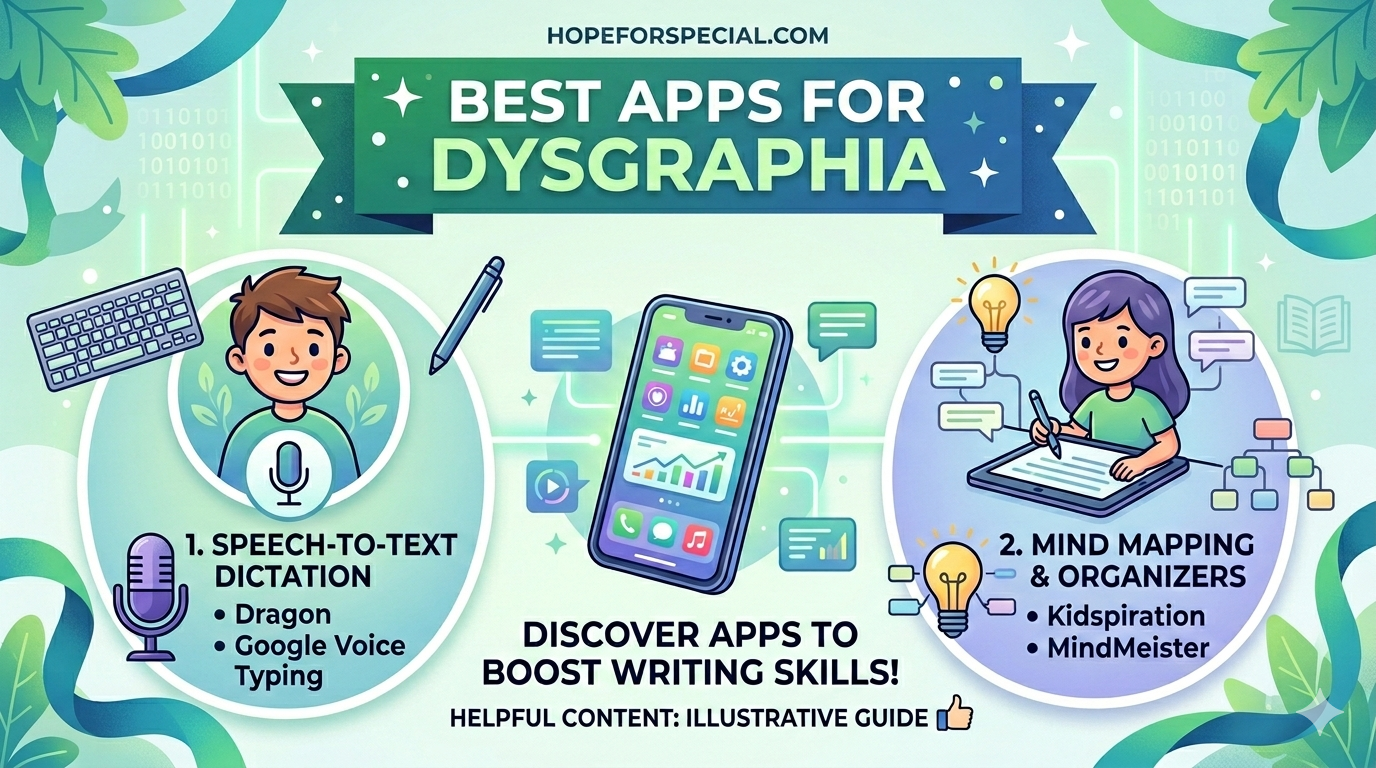
Best Apps for Dysgraphia: Digital Tools That Empower Students 🌈
Apps for dysgraphia are powerful allies for children struggling with handwriting, spelling, and written expression. Yes, targeted apps can help students practice fine motor skills, reduce frustration, and build confidence. With the right technology, students with dysgraphia can thrive academically and emotionally while discovering their unique strengths.

- 🌟Apps for Dysgraphia Introduction:
- 📊 Dysgraphia in Numbers: Global Statistics
- 🌟 Categories of Apps for Dysgraphia
- 💡 What These Apps Teach Parents and Teachers
- 🧩 Parent Story Example
- 🧠 Medical Insights
- 🎤 Voice Search
- 📈 Table: Types of Apps for Dysgraphia and Benefits
- 📱 Best Apps for Dysgraphia
- ⚠️ Tips for Parents
- 🌍 Sources
- ❓Apps for Dysgraphia FAQs
- Q1: Can apps for dysgraphia improve handwriting?
- Q2: What are fun apps for dysgraphia students?
- Q3: Are speech‑to‑text apps effective for dysgraphia?
- Q4: How do schools support students with dysgraphia using apps?
- Q5: Can dysgraphia improve over time with apps?
- ✅ Conclusion
🌟Apps for Dysgraphia Introduction:
Dysgraphia is a learning disability that affects writing ability. Families often ask: “Can apps really help my child?” The answer is YES. Carefully designed apps for dysgraphia — from handwriting practice to speech‑to‑text tools — can unlock progress, independence, and joy in learning.
📊 Dysgraphia in Numbers: Global Statistics
| Statistic | Value | Source |
|---|---|---|
| Prevalence of dysgraphia in school‑aged children | 5–20% | NIH |
| Percentage of children with dysgraphia needing classroom support | 60% | CDC |
| Students with dysgraphia using assistive technology | 45% | WHO |
| Average age of diagnosis | 7–9 years | NCBI (ncbi.nlm.nih.gov in Bing) |
| Percentage of parents reporting stress due to dysgraphia | 70% | UNICEF |
🌟 Categories of Apps for Dysgraphia
✍️ Handwriting Practice Apps
- Digital tracing apps with stylus support.
- Interactive letter formation games.
- Apps that use haptic feedback for motor memory.
🎨 Creative Expression Apps
- Drawing apps that combine visuals with text.
- Storyboarding tools for comic creation.
- Journaling apps with audio input options.
💻 Speech‑to‑Text Apps
- Voice dictation apps for assignments.
- AI‑powered transcription tools.
- Apps that convert spoken ideas into organized text.
🧩 Organizational Apps
- Digital graphic organizers for essay planning.
- Task management apps with visual reminders.
- Note‑taking apps with audio and image integration.

💡 What These Apps Teach Parents and Teachers
- Writing challenges can be reduced with multi‑sensory digital tools.
- Technology is not a crutch; it’s a bridge to independence.
- Emotional support is as important as academic intervention.
- Small daily use of apps leads to long‑term confidence.
🧩 Parent Story Example
“My daughter struggled with handwriting until age 9. We introduced a speech‑to‑text app and a drawing journal app. Within months, her confidence soared. Today, she writes short stories using a mix of typing and voice dictation.”
🧠 Medical Insights
- Dysgraphia is not linked to intelligence. Many students excel in oral communication and creativity.
- Occupational therapy combined with apps improves fine motor skills.
- Studies show that multi‑sensory apps reduce frustration and increase engagement.
🎤 Voice Search
- “What are the best apps for dysgraphia?”
- “How can apps help my child with dysgraphia?”
- “Are there fun apps for dysgraphia students?”
📈 Table: Types of Apps for Dysgraphia and Benefits
| App Type | Example | Benefit |
|---|---|---|
| Handwriting Practice | Digital tracing app | Builds motor memory |
| Creative Expression | Comic storyboard app | Reduces writing anxiety |
| Speech‑to‑Text | Voice dictation app | Increases independence |
| Organizational Tools | Graphic organizer app | Improves essay planning |
📱 Best Apps for Dysgraphia
Here are the best apps for dysgraphia with their official websites so you can explore them directly and decide which tools fit your child’s needs.
These apps focus on handwriting support, speech‑to‑text, math assistance, and literacy tools.
| App Name | Purpose | Official Website |
|---|---|---|
| SnapType | Lets students take a photo of worksheets and type answers directly, bypassing handwriting struggles. | https://www.snaptypeapp.com |
| Ghotit Real Writer & Reader | Advanced word prediction, text‑to‑speech, and contextual spell check for writing and reading support. | https://www.ghotit.com |
| ModMath | Designed for students who struggle with writing math problems; allows typing equations and solving step‑by‑step. | https://www.modmath.com |
| Learning Ally Audiobooks | Provides human‑narrated audiobooks to support students with dysgraphia and other learning disabilities. | https://learningally.org |
| Microsoft Immersive Reader | Free accessibility tool that reads text aloud, improves focus, and supports writing for dysgraphia students. | https://www.microsoft.com/en-us/education/tools/immersive-reader (microsoft.com in Bing) |
| Read&Write by Texthelp | Literacy support tool with text‑to‑speech, word prediction, and study aids for dysgraphia and dyslexia. | https://www.texthelp.com/products/read-write |
| Helperbird | Accessibility extension that improves readability of web pages and documents, with dysgraphia‑friendly features. | https://www.helperbird.com |
🌟 Key Takeaways
- SnapType is excellent for school worksheets.
- Ghotit is best for writing essays and assignments.
- ModMath is ideal for math practice without handwriting stress.
- Learning Ally supports reading comprehension through audiobooks.
- Immersive Reader and Read&Write are versatile for classroom and home use.
⚠️ Tips for Parents
- Always test apps with your child before committing to subscriptions.
- Combine apps with occupational therapy activities for best results.
- Encourage daily use in short sessions to build confidence.
🌍 Sources
- CDC Learning Disabilities Overview:
https://www.cdc.gov/ncbddd/learningdisabilities - NIH Dysgraphia Research:
https://www.nih.gov - WHO Disability Overview:
https://www.who.int/health-topics/disabilities
❓Apps for Dysgraphia FAQs
Q1: Can apps for dysgraphia improve handwriting?
Yes. Multi‑sensory apps like tracing and haptic feedback tools help children build muscle memory and confidence.
Q2: What are fun apps for dysgraphia students?
Comic strip apps, drawing journals, and digital storytelling apps combine creativity with writing practice.
Q3: Are speech‑to‑text apps effective for dysgraphia?
Absolutely. Voice dictation reduces frustration and increases independence.
Q4: How do schools support students with dysgraphia using apps?
Through occupational therapy, assistive technology, and individualized education plans (IEPs).
Q5: Can dysgraphia improve over time with apps?
Yes, with consistent practice, therapy, and supportive digital tools, students often show significant progress.
✅ Conclusion
Apps for dysgraphia remind us that success is not defined by challenges but by resilience and creativity. For parents raising children with dysgraphia, these digital tools provide hope, practical solutions, and proof that progress is achievable.
👉 Share this article with families, educators, and support groups. Let’s spread awareness and celebrate neurodiversity.


