

🧬 Trisomy: Causes, Types, Symptoms & Complete Parent Guide (2026)
Hearing the word trisomy can feel confusing and scary—especially during pregnancy.
Parents often ask:
👉 What is trisomy?
👉 What causes it?
👉 Will my child be okay?
These questions are valid.
In my experience working with families, one thing stands out:
👉 The biggest fear comes from not understanding the condition.
This guide will give you clear, simple, and medically accurate answers—so you can feel informed and prepared.
Trisomy refers to a genetic condition where an individual has an extra chromosome, resulting in three copies instead of the usual two. This anomaly can lead to a variety of physical and intellectual disabilities, depending on which chromosome is affected.
In humans, having an extra chromosome can occur on any of the 23 pairs, leading to different types of trisomies, such as trisomy 21 (Down syndrome), trisomy 18 (Edwards disease), and trisomy 13 (Patau syndrome).

- 🧩 What Is Trisomy?
- 🧠 How Trisomy Happens
- 📊 Quick Facts About Trisomy
- 🧠 Deep Insight
- Types of Trisomy
- 1. 🧬 Down syndrome
- 2. 🧬 Trisomy 18
- 3. 🧬 Trisomy 13
- 4. 🧬 Sex Chromosome Trisomies
- What is the Difference between Trisomy 21, 18, and 13?
- Can Trisomy Be Cured or Treated?
- What Causes Trisomy? | Causes of Trisomy
- Trisomy and Its Subtypes Explained
- 🧑⚕️ Diagnosis of Trisomy
- 🛠️ Treatment & Management
- 🏠 Real-Life Experience
- 🧠 Life Expectancy of Different Trisomy Types
- ⚠️ Common Myths
- 🤖 Voice Search Section
- 🔍 Symptoms of Trisomy | Trisomy Symptoms
- 📊 Symptom Table
- Living With Trisomy: What Parents Should Know
- When Should You See a Doctor?
- Quick Checklist for Parents
- ❤️ Final Thoughts
- ❓ FAQs
- 1. What is trisomy?
- 2. What causes trisomy?
- 3. What are the types of trisomy?
- 4. Can trisomy be cured?
- 5. Is trisomy hereditary?
- 6. How is trisomy diagnosed?
- 7. Can children with trisomy live normal lives?
- 8. What is mosaic trisomy?
- 9. What is the survival rate?
- 10. What should parents do after diagnosis?
- Sources for Further Reading
🧩 What Is Trisomy?
- Trisomy meaning: Presence of three chromosomes instead of the normal pair.
- Having an extra chromosome can disrupt normal development.
- It occurs due to errors during cell division (nondisjunction).
- Can be detected as early as the 12 week ultrasound trisomy 18 screening.
What is trisomy in simple words?
In simple words, we can say:
Trisomy is a genetic condition where a person has an extra chromosome.
Normally:
- Humans have 46 chromosomes (23 pairs)
In trisomy:
- There are 47 chromosomes (one extra copy)
According to Cleveland Clinic, trisomy occurs when there is a third copy of a chromosome instead of two. (Cleveland Clinic)
👉 This extra chromosome affects how the body develops.
In simple terms, this extra chromosome changes how the body and brain develop.
👉 For example:
- Trisomy 21 causes Down syndrome
- Trisomy 18 causes Edwards syndrome
- Trisomy 13 causes Patau syndrome
Therefore, trisomy can affect physical growth, learning, and overall health.
Real-Life Example
A simple real-life example
For example, many children with trisomy 21 (Down syndrome) go to school, learn new skills, and live happy lives with family support.
👉 This shows that early care and love can make a big difference.
🧠 How Trisomy Happens
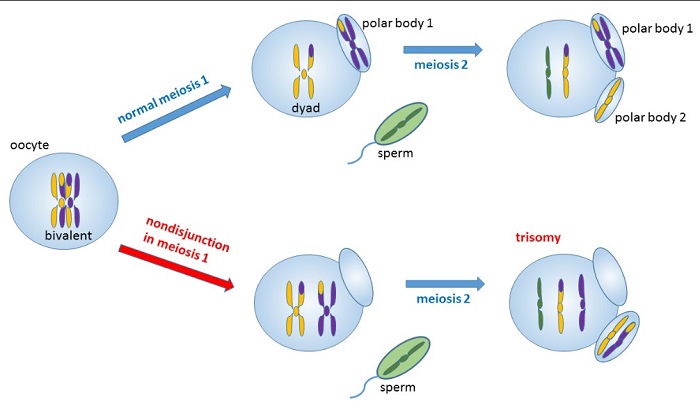
Trisomy happens due to an error during cell division.
👉 This error is called nondisjunction
During reproduction:
- Egg and sperm cells divide
- Chromosomes should split evenly
But sometimes:
- One cell gets an extra chromosome
👉 This leads to trisomy after fertilization. (Cleveland Clinic)
📊 Quick Facts About Trisomy
| Fact | Details |
|---|---|
| Chromosomes | 47 instead of 46 |
| Cause | Cell division error |
| Preventable? | No |
| Risk factor | Higher maternal age |
| Outcome | Varies by type |
👉 Risk increases after age 35. (Cleveland Clinic)
Myths vs Facts About Trisomy
| Myth | Fact |
|---|---|
| Trisomy is always inherited | Most cases happen randomly |
| Children with trisomy cannot live long | Some types allow longer life with care |
| It is caused by parents’ actions | It is a genetic condition |
👉 Therefore, understanding the facts helps reduce fear and confusion.
🧠 Deep Insight
Most articles focus only on medical facts.
But here’s what matters more:
👉 Trisomy is not the same for every child
Some children:
- Have severe challenges
- Others live longer and develop skills
👉 Outcomes depend on type and support.
Types of Trisomy
| Trisomy Type | Affected Chromosome | Common Names | Prevalence (approx.) |
|---|---|---|---|
| Trisomy 21 | Chromosome 21 | Down Syndrome, 21trisomy, tri 21, tri chromosome, genetics of trisomy 21 | 1 in 700 births |
| Trisomy 18 | Chromosome 18 | Edwards Syndrome, t18 syndrome, tri 18, extra chromosome 18 | 1 in 5,000 births |
| Trisomy 13 | Chromosome 13 | Patau Syndrome, full trisomy 13, trisomy thirteen | 1 in 16,000 births |
| Trisomy X | X Chromosome | Triple X Syndrome, trisomy x syndrome, trisomy triple x syndrome | 1 in 1,000 females |
| Rare Trisomies | Chromosomes 1-28 | Trisomy 1, 2, 3, 4, 5, 6, 7, 8, 9p, 10, 11, 12, 12p, 14, 15, 16, 19, 20, 22, 23, 24, 28, 31, 47 | Extremely rare |
Sources:
There are different types based on which chromosome is affected.
1. 🧬 Down syndrome
- Extra chromosome 21
- Most common trisomy
- Occurs in about 1 in 700 births (Healthline)
Common Features:
- Developmental delays
- Learning difficulties
- Distinct facial features
2. 🧬 Trisomy 18
- Extra chromosome 18
- More severe condition
Features:
- Heart defects
- Growth issues
- Low survival rate
3. 🧬 Trisomy 13
- Extra chromosome 13
- Rare but serious
Features:
- Brain abnormalities
- Cleft lip/palate
- Severe developmental issues (MedlinePlus)
4. 🧬 Sex Chromosome Trisomies
Examples:
- Triple X syndrome
- Klinefelter syndrome (XXY)
👉 These may have milder symptoms. (Mayo Clinic)
What is the Difference between Trisomy 21, 18, and 13?
Although all three are genetic conditions, they affect different chromosomes and have different outcomes.
| Type | Chromosome | Condition Name | Key Difference |
|---|---|---|---|
| Trisomy 21 | 21 | Down Syndrome | Most common, milder symptoms |
| Trisomy 18 | 18 | Edwards Syndrome | Severe health issues |
| Trisomy 13 | 13 | Patau Syndrome | Very serious, rare |
Can Trisomy Be Cured or Treated?
Trisomy cannot be cured because it is a genetic condition.
However, it can be managed with proper care, including:
- Medical treatment
- Therapy and support programs
- Special education
👉 Therefore, early intervention plays a very important role.
What Causes Trisomy? | Causes of Trisomy
What causes trisomy?
Trisomy usually happens due to an error during cell division. This process is called nondisjunction.
👉 In simple words, chromosomes fail to separate properly, which leads to an extra chromosome.
Causes include:
- Nondisjunction: Error during meiosis where chromosomes fail to separate.
- Maternal Age: Older mothers have higher risk.
- Translocation: A piece of chromosome attaches to another chromosome.
- Mosaicism: Some cells have trisomy while others don’t (e.g. mosaic trisomy 18, mosaic trisomy 21, mosaic trisomy 13).
- Deletions: Such as chromosome 6 deletion or 13 chromosome deletion.
Main causes include:
- Genetic errors during pregnancy
- Increased maternal age (especially after 35)
- Random biological changes
📊 Causes Table
| Cause | Explanation | Common? |
|---|---|---|
| Nondisjunction | Cell division error | Yes |
| Maternal age | Higher risk | Yes |
| Translocation | Genetic change | Rare |
However, it is important to understand that trisomy is not caused by anything parents did or did not do.
What Increases the Risk of Trisomy?
What Increases the Risk of Trisomy?
Although trisomy happens randomly, some factors may increase the risk.
👉 These include:
- Maternal age above 35
- Genetic history (in rare cases)
- Errors during cell division
👉 Even then, trisomy can happen in any pregnancy.
What Increases the Risk of Trisomy?
Trisomy and Its Subtypes Explained
Trisomy 21: Down Syndrome
- Define trisomy 21: 3 copies of chromosome 21.
- Down syndrome chromosome how many? 47 total chromosomes.
- Common features: Intellectual disability, heart defects, distinct facial features.
- Also called 21 chromosome trisomy, extra 21 chromosome.
- ICD-10 Code: trisomy 21 icd 10 – Q90.
Trisomy 18: Edwards Syndrome
- Define trisomy 18: 3 copies of chromosome 18.
- Also called extra chromosome 18, T18 disease, t18 syndrome.
- Symptoms: Severe developmental delays, heart defects, clenched fists.
- Very high mortality rate.
- T18 pregnancy has a high risk of miscarriage.
- Famous case: Megan Hayes trisomy 18 advocacy story.
- Trisomy 18 meaning: A lethal genetic disorder in most cases.
Trisomy 13: Patau Syndrome
- Define patau syndrome: 3 copies of chromosome 13.
- Also called extra 13 chromosome, trisomy 13 meaning, full trisomy 13.
- Symptoms: Cleft palate, severe intellectual disability, polydactyly.
- Prognosis: Extremely poor with very few surviving beyond infancy.
Other Rare Trisomies
- Trisomy X: Extra X chromosome in females, often mild symptoms.
- Sex chromosome trisomies: Involve X and Y chromosomes.
- Double trisomy: Two different trisomies occur simultaneously.
- Mosaic trisomy 7, 8, 14, 16, 20, 22: Mixed cell lines in body tissues.
- Extra chromosome 3, 15, 23: Rare and poorly understood.
- Trisomy 12, 12p, 19, 24, 28, 31, 47: Extremely rare forms documented.
- Deletion of chromosome: Sometimes segments of chromosomes are missing.
- Chromosome 13 18 21, chromosome 21 18 13: Common screening targets.
🧑⚕️ Diagnosis of Trisomy
During Pregnancy
- Ultrasound
- Blood screening
- NIPT
Confirmatory Tests
- Amniocentesis
- Chorionic villus sampling
👉 These confirm diagnosis accurately. (Cleveland Clinic)
🛠️ Treatment & Management
There is no cure for trisomy.
But support can improve quality of life.
🏥 Medical Care
- Surgery (if needed)
- Regular check-ups
🧑🏫 Therapy
- Speech therapy
- Occupational therapy
- Physical therapy
🧠 Educational Support
- Special education programs
👉 Early intervention is very important.
🏠 Real-Life Experience
A parent shared:
“At first, we were scared. But with therapy and support, our child learned more than we expected.”
👉 This highlights the importance of support systems.
🧠 Life Expectancy of Different Trisomy Types
What is the life expectancy of trisomy?
Life expectancy depends on the type of trisomy.
- Trisomy 21: Many people live into adulthood
- Trisomy 18: Often limited due to severe complications
- Trisomy 13: Usually shorter lifespan
So, in simple words, we can say:
- Down syndrome: Longer lifespan
- Trisomy 18: Lower survival
- Trisomy 13: Very limited survival
👉 Outcomes vary widely. (Cleveland Clinic)
⚠️ Common Myths
❌ Myth: Trisomy is caused by parents
👉 Truth: It happens randomly.
❌ Myth: All trisomy cases are the same
👉 Truth: Each case is different.
🤖 Voice Search Section
What is trisomy in simple words?
Trisomy is a genetic condition where a person has an extra chromosome.
What causes trisomy?
It is caused by a cell division error during reproduction.
What is the main cause of trisomy?
The main cause is a genetic error during cell division.
Is trisomy preventable?
No, it happens randomly.
What is the most common trisomy?
The most common trisomy is Trisomy 21, also known as Down syndrome.
Is trisomy curable?
No, trisomy cannot be cured, but symptoms can be managed with proper care.
Can trisomy be detected before birth?
Yes, prenatal tests can detect trisomy during pregnancy.
What is the life expectancy of trisomy?
It depends on the type. For example, people with Down syndrome can live longer with proper care.
Can trisomy be detected early?
Yes, it can be detected during pregnancy through screening tests.
Trisomy Detection Methods
- Non-Invasive Prenatal Testing (NIPT): High accuracy for trisomy 21, 18, 13.
- 12 week ultrasound trisomy 18 markers include nuchal translucency, absent nasal bone.
- Echogenic focus ultrasound: Spot in fetal heart sometimes linked to trisomies.
- FISH trisomy 21: Fluorescent in situ hybridization to rapidly detect trisomy.
- Amniocentesis and CVS (Chorionic Villus Sampling): Highly accurate but invasive.
Statistics on Trisomy Occurrence
| Type | Occurrence (per live births) | Source |
|---|---|---|
| Trisomy 21 | 1 in 700 | CDC |
| Trisomy 18 | 1 in 5,000 | NIH |
| Trisomy 13 | 1 in 16,000 | NIH |
| Trisomy X | 1 in 1,000 females | NIH |
| Other Trisomies | Varies | Genetics Home Reference |
🔍 Symptoms of Trisomy | Trisomy Symptoms
Symptoms vary depending on the trisomy type.
👶 Physical Symptoms
- Small size
- Facial differences
- Organ abnormalities
🧠 Developmental Symptoms
- Learning difficulties
- Delayed milestones
❤️ Medical Issues
- Heart defects
- Breathing problems
👉 Symptoms depend on the chromosome involved.
📊 Symptom Table
| Area | Symptoms |
|---|---|
| Physical | Facial features, small size |
| Cognitive | Learning delays |
| Medical | Heart issues |
Early Signs of Trisomy During Pregnancy
In many cases, trisomy can be suspected before birth through screening tests.
👉 Some early signs may include:
- Abnormal ultrasound results
- Slow fetal growth
- Heart defects
- Extra fluid behind the baby’s neck
Therefore, doctors often recommend further testing if these signs appear.
Trisomy Treatments and Therapies
While there is no cure for trisomy, supportive care improves quality of life.
Medical Interventions
- Surgery for heart defects and other malformations.
- Physical and occupational therapy.
- Special education services.
- Genetic counseling for families.
- Palliative care in severe cases like full trisomy 18 or full trisomy 13.
- Trisomy x therapies: Speech therapy, counseling, and academic support.
- Medications to manage seizures, reflux, or infections.
New Research
- Gene editing technologies under research.
- Stem cell research offers hope but remains experimental.
- Early interventions show improved outcomes in Down syndrome.
Can Trisomy be Prevented?
Unfortunately, trisomy cannot always be prevented.
However, there are ways to reduce risks and prepare better, such as:
- Prenatal screening tests
- Genetic counseling
- Healthy pregnancy care
👉 Although prevention is not always possible, early diagnosis can help families plan and get support.
Prognosis of Trisomy Conditions
| Condition | Life Expectancy |
|---|---|
| Trisomy 21 | Up to 60 years |
| Trisomy 18 | 90% die before age 1 |
| Trisomy 13 | Less than 10% survive beyond 1 year |
| Trisomy X | Normal lifespan |
Real-Life Stories and Advocacy
- Megan Hayes trisomy 18 story sheds light on parental challenges.
- Organizations like SOFT – Support Organization for Trisomy provide community support.
- Ongoing advocacy is improving both research and public understanding.
Trisomy in Animals
- Rare cases like trisomy in cats have been documented, but typically incompatible with life.
Living With Trisomy: What Parents Should Know
Living with trisomy can be challenging, but many children can still live meaningful lives with proper support.
👉 Parents should focus on:
- Early intervention therapies
- Special education support
- Regular medical care
In addition, emotional support for families is equally important.
When Should You See a Doctor?
You should consult a doctor if:
- Pregnancy screening shows unusual results
- Your baby shows developmental delays
- There are physical signs linked to genetic conditions
👉 Early consultation can make a big difference in care and support.
Quick Checklist for Parents
If you suspect trisomy, here’s what you can do:
✔ Talk to your doctor
✔ Ask for prenatal screening
✔ Get genetic counseling
✔ Learn about early therapies
👉 Taking small steps early can help a lot.
❤️ Final Thoughts
Trisomy may sound overwhelming. It is a complex genetic condition, but understanding its causes, types, and symptoms can make a big difference.
But knowledge brings clarity.
👉 Every child is unique
👉 Support makes a difference
👉 Early care improves outcomes
You are not alone in this journey.
From the more common trisomy 21 (Down syndrome) to rare cases like mosaic trisomy 22 or trisomy 12p, ongoing research and early interventions are key to improving lives.
Public awareness, advocacy, and medical advancements continue to offer hope for affected individuals and families. Therefore, awareness is the first step toward acceptance and support.
❓ FAQs
1. What is trisomy?
Trisomy is a genetic condition where a person has an extra chromosome, making a total of 47 instead of 46.
2. What causes trisomy?
It is caused by a random error during cell division, known as nondisjunction.
3. What are the types of trisomy?
Common types include:
- Down syndrome (trisomy 21)
- Trisomy 18
- Trisomy 13
Quick comparison of common trisomy types
| Type of Trisomy | Chromosome Affected | Common Name | Severity |
|---|---|---|---|
| Trisomy 21 | Chromosome 21 | Down Syndrome | Mild to Moderate |
| Trisomy 18 | Chromosome 18 | Edwards Syndrome | Severe |
| Trisomy 13 | Chromosome 13 | Patau Syndrome | Severe |
4. Can trisomy be cured?
No.
👉 But treatment can improve quality of life.
5. Is trisomy hereditary?
Usually no.
👉 Most cases occur randomly.
6. How is trisomy diagnosed?
Through:
- Prenatal screening
- Genetic testing
7. Can children with trisomy live normal lives?
Some can live fulfilling lives with support, especially in milder cases.
8. What is mosaic trisomy?
It means only some cells have the extra chromosome.
9. What is the survival rate?
It depends on the type.
👉 Down syndrome has higher survival compared to trisomy 13 and 18.
10. What should parents do after diagnosis?
- Start early intervention
- Seek medical advice
- Get support
Sources for Further Reading
- CDC Birth Defects
- MedlinePlus Genetics
- SOFT Organization for Trisomy Support
- March of Dimes
- NIH Genetic and Rare Diseases Information Center
Other helpful links:
- https://my.clevelandclinic.org/health/diseases/22912-trisomy
- https://www.mayoclinic.org/diseases-conditions/down-syndrome/symptoms-causes/syc-20355977
- https://medlineplus.gov/ency/article/001660.htm
- https://www.cdc.gov/ncbddd/birthdefects/downsyndrome.html
👉 These sources provide medically accurate information.


