

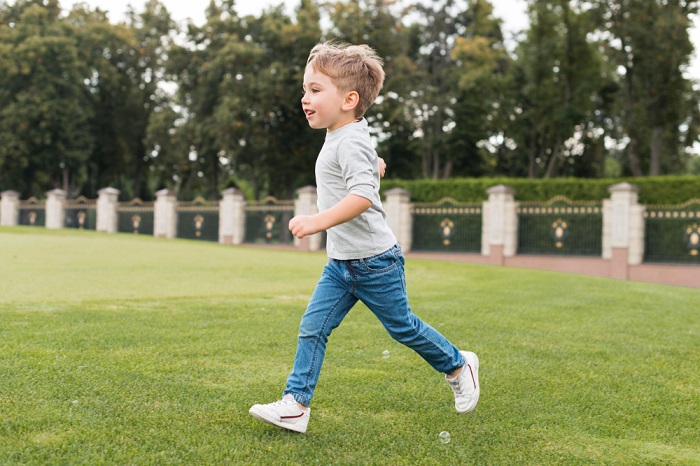
🚨 Autism Elopement Prevention Strategies to Keep Your Child Safe (2026 Guide)
This guide will help you understand autism elopement prevention strategies in a simple and practical way. One of the most stressful situations for parents of autistic children is this:
👉 Your child suddenly runs away…
👉 You lose sight of them…
👉 Panic sets in instantly 😟
This behavior is called autism elopement or wandering.
In my experience working with families, this is not rare.
Many children with autism wander at some point.
But here is the good news:
👉 With the right strategies, you can greatly reduce the risk and improve safety.

- Autism Elopement Prevention Strategies to Keep Your Child Safe
- 🧠 What Is Autism Elopement? | Understanding Elopement in Autism | Elope Meaning Autism
- ⚠️ Why Do Children with Autism Wander?
- 🚨 Risks of Autism Elopement
- 🛡️ Top Autism Elopement Prevention Strategies
- 1. 🏠 Secure Your Home
- 2. 📍 Use GPS Tracking Devices
- 3. 🧠 Teach Safety Skills
- 4. 🧑🏫 Inform Caregivers & Neighbors
- 5. 🪪 Use ID Bracelets
- 6. 📅 Create Predictable Routines
- 7. 🎯 Identify Triggers
- 8. 🧘 Provide Sensory Support
- 📊 Strategy Table
- 🏠 Real-Life Experience
- 🧠 Role of Schools
- 👨👩👧 Role of Parents
- ⚠️ Common Mistakes
- 🤖 Voice Search Section
- Best Autism Elopement Strategies You Should Know
- Behavior Intervention Strategies for Elopement
- Understanding Triggers
- Individualized Safety Plan
- Structured Environment
- Social Stories
- Positive Reinforcement
- Technology and Tracking Devices
- Teach Self-Calming Techniques
- Elopement and ADHD
- 🧠 Autism Elopement Prevention Strategies: Advanced Safety Tips
- 🔐 Use Visual Supports
- 📸 Keep Updated Photos
- 🚓 Register with Local Authorities
- 🧑⚕️ Practice Safety Drills
- ❤️ Autism and Elopement Final Thoughts
- ❓ Autism Elopement Prevention Strategies FAQs
- 1. What is autism elopement?
- 2. Why do children with autism wander?
- 3. How common is autism wandering?
- 4. What are the risks?
- 5. How can I prevent elopement?
- 6. Are GPS trackers helpful?
- 7. Should schools be informed?
- 8. What should I do if my child goes missing?
- 9. Can therapy help reduce wandering?
- 10. Is elopement permanent?
- 🌐 Sources
Autism Elopement Prevention Strategies to Keep Your Child Safe
🧠 What Is Autism Elopement? | Understanding Elopement in Autism | Elope Meaning Autism
Autism Spectrum Disorder (ASD) is a condition that affects communication and behavior.
👉 Elopement means leaving a safe place without permission.
Children may:
- Run away from home 🏠
- Wander in public places 🛒
- Leave school unexpectedly 🎒
According to the Centers for Disease Control and Prevention:
https://www.cdc.gov/ncbddd/autism/index.html
Many children with autism show wandering behavior.
🧠 Deep Insight
👉 Elopement is communication, not just behavior
Children may wander because:
- They are overwhelmed
- They want something
- They feel unsafe
👉 Understanding the “why” is key 🔑
⚠️ Why Do Children with Autism Wander?
🧠 Common Reasons
- Sensory overload 🔊
- Curiosity 🌍
- Seeking a favorite place
- Escaping stress
- Lack of danger awareness
📊 Reasons Table
| Reason | Explanation |
|---|---|
| Sensory overload | Too much noise or stimulation |
| Curiosity | Exploring surroundings |
| Escape | Avoid stress |
| Attraction | Going to favorite place |
🚨 Risks of Autism Elopement
❗ Safety Risks
- Traffic accidents 🚗
- Drowning 💧
- Getting lost
❗ Emotional Impact
- Anxiety for parents
- Fear for the child
👉 This is why prevention is critical.
🛡️ Top Autism Elopement Prevention Strategies
1. 🏠 Secure Your Home
👉 Install:
- Door alarms
- Locks
- Window guards
2. 📍 Use GPS Tracking Devices
👉 Helps locate your child quickly.
3. 🧠 Teach Safety Skills
- Recognize danger
- Learn to respond
4. 🧑🏫 Inform Caregivers & Neighbors
👉 Build a support network.
5. 🪪 Use ID Bracelets
👉 Include:
- Name
- Contact number
6. 📅 Create Predictable Routines
👉 Reduces anxiety.
7. 🎯 Identify Triggers
👉 Observe what causes wandering.
8. 🧘 Provide Sensory Support
👉 Use calming tools.
📊 Strategy Table
| Strategy | Benefit |
|---|---|
| Home security | Prevent exit |
| GPS tracking | Quick location |
| Routine | Reduce stress |
| ID bracelet | Easy identification |
🏠 Real-Life Experience
A parent shared:
“My child used to run toward water. Once we understood the trigger, we focused on safety and supervision.”
👉 Understanding behavior changed everything.
📊 Emergency Plan Table
| Step | Action |
|---|---|
| 1 | Call emergency services |
| 2 | Check nearby areas |
| 3 | Use GPS tracking |
| 4 | Alert community |
📱 Technology for Safety (2026)
Modern tools include:
- GPS watches ⌚
- Mobile tracking apps 📱
- Smart home alarms
👉 Technology improves response time.
🧠 Role of Schools
Schools should:
- Monitor closely
- Have safety plans
- Train staff
👨👩👧 Role of Parents
Parents can:
- Stay alert
- Build routines
- Communicate with child
⚠️ Common Mistakes
❌ Ignoring triggers
❌ Relying only on devices
❌ Lack of supervision
👉 Combine strategies for best results.
🤖 Voice Search Section
What is autism elopement?
Autism elopement is when a child with autism leaves a safe place without permission.
Why do autistic children wander?
They may wander due to curiosity, stress, or sensory needs.
How can I prevent autism wandering?
Use home security, tracking devices, routines, and safety training.
Best Autism Elopement Strategies You Should Know
Elope behaviour can be distressing for parents as it exposes the child to various dangers such as traffic accidents, getting lost, or encountering unsafe individuals. Before knowing how to handle autism elopement situation, it is crucial to understand why autistic children might engage in eloping.
Strategies of elopement and You Should Know:
Sensory Overload
Many autistic children experience sensory overload in busy environments, like schools or crowded places. Eloping might be their way of escaping from overwhelming sensory stimuli.
Special Interests
Sometimes, an autistic child might elope when fixated on a specific object or location that captivates their attention.
Communication Difficulties
Verbal communication challenges can lead autistic children to elope as a way to express their needs or desires non-verbally.
Anxiety and Fear
Anxiety or fear of specific situations or people can trigger it as a coping mechanism for the child.

Behavior Intervention Strategies for Elopement
As a parent or caregiver, it’s essential to develop effective strategies to address it and ensure the safety of the autistic child. Check out the best ways to cope with an eloped autistic kid:
Understanding Triggers
Identify the specific triggers that lead to such kind of thoughts in the child. Observe and take note of the situations, environments, or people that prompt the behavior.
Individualized Safety Plan
Work closely with educators, therapists, and professionals to create a personalized safety plan tailored to the child’s unique needs. This plan should outline strategies to prevent elope behaviour and actions to take if it occurs.
Structured Environment
Create a structured and predictable environment that helps reduce anxiety and provides a sense of security for the child. Consistent routines and schedules can be beneficial.
Social Stories
Use social stories and visual aids to teach the child appropriate behaviors and the consequences of elopement. These tools can enhance their understanding of safety rules and expected conduct.
Positive Reinforcement
Implement a system of positive reinforcement to encourage appropriate behavior. Praise and rewards for staying within designated areas can be highly effective.
Technology and Tracking Devices
Consider using tracking devices or technologies that can help locate the child quickly if they do elope. We recommend investing in the latest tracking devices to get the most out of it.
Teach Self-Calming Techniques
Help the child learn self-calming techniques to cope with anxiety or sensory overload, reducing the likelihood to elope.

Elopement and ADHD
Eloping behaviour is not exclusive to autism and can also occur in children with attention deficit hyperactivity disorder (ADHD). Children with ADHD might impulsively wander away due to their impatience or curiosity.
🧠 Autism Elopement Prevention Strategies: Advanced Safety Tips
🔐 Use Visual Supports
- Signs like “STOP” on doors
📸 Keep Updated Photos
👉 Useful in emergencies
🚓 Register with Local Authorities
Some areas allow voluntary registration.
🧑⚕️ Practice Safety Drills
👉 Teach what to do if lost.
❤️ Autism and Elopement Final Thoughts
Autism elopement is serious.
But remember:
👉 You are not alone
👉 Awareness improves safety
👉 Small steps make a big difference
Your child’s safety is always the priority 💙
❓ Autism Elopement Prevention Strategies FAQs
1. What is autism elopement?
Autism elopement is when a child with autism leaves a safe place without permission or supervision.
2. Why do children with autism wander?
They may wander due to sensory needs, curiosity, or to escape stress.
3. How common is autism wandering?
Many children with autism experience wandering at some point.
4. What are the risks?
Risks include accidents, drowning, and getting lost.
5. How can I prevent elopement?
Use home security, tracking devices, routines, and supervision.
6. Are GPS trackers helpful?
Yes.
👉 They help locate children quickly.
7. Should schools be informed?
Yes.
👉 Schools must have safety plans.
8. What should I do if my child goes missing?
Call emergency services and search nearby areas immediately.
9. Can therapy help reduce wandering?
Yes.
👉 Behavioral therapy can help manage triggers.
10. Is elopement permanent?
No.
👉 With support, it can be reduced.
🌐 Sources
- https://www.cdc.gov/ncbddd/autism/index.html
- https://www.autismspeaks.org/wandering
- https://www.nationalautismassociation.org/resources/wandering/
- https://www.childmind.org/article/autism-and-wandering/
👉 These provide expert-backed safety insights.


Pingback: When Your Special Needs Children Require Mental Help? - HopeforSpecial
Pingback: How Parents Can Help Special Needs Teens Bullied at School? - HopeforSpecial
Pingback: Signs of Autism - How Do You Know If Your Child Suffers? - HopeforSpecial
Pingback: What to Do If Your Child has Autism? - HopeforSpecial